

To reduce paper use at home, start with the items you replace often: paper towels, napkins, printed receipts, junk mail and school or office printing. Use what you already have first, switch only where a reusable option fits your routine, and recycle paper according to local rules. Reducing paper can conserve materials and lower household waste, but “save trees” is not a one-action promise; paper also comes from recycled fibers and responsibly managed sources.
This guide offers a practical room-by-room checklist for using less paper without making home life harder. For the wider household approach, read our Zero Waste Living beginner guide.
Begin with paper used every day
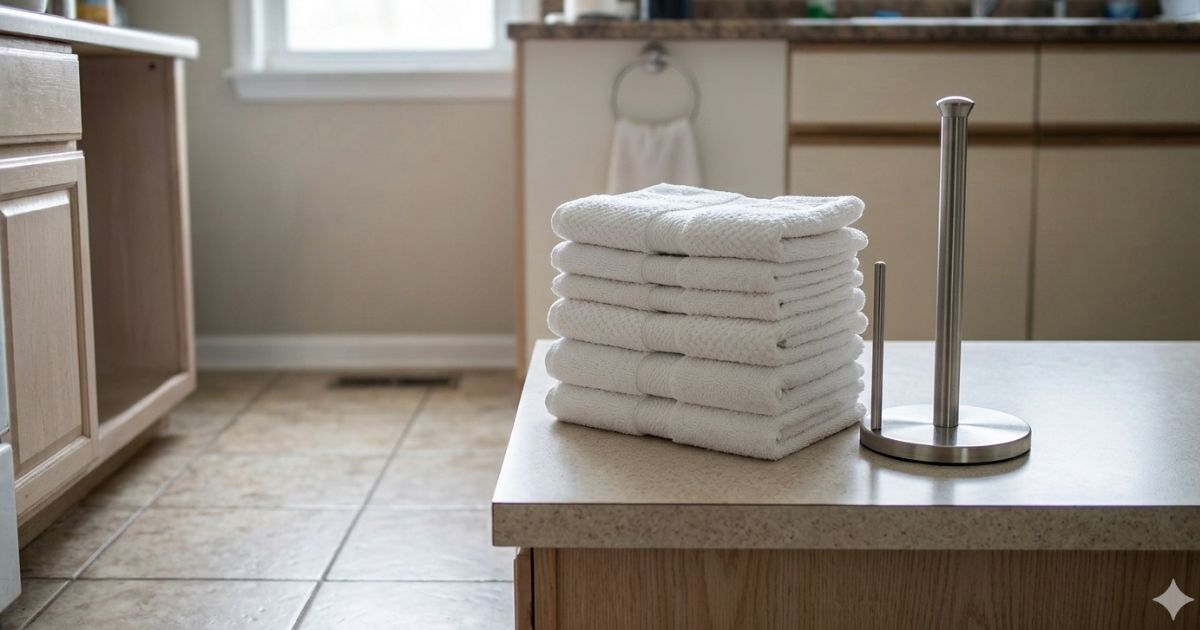
Paper towels and napkins are easy to notice because they enter the trash quickly. Keep a small stack of washable cloths where you normally reach for a paper towel, and reserve disposable paper for situations that genuinely need it. If you use cloth, collect used items in a washable hamper and launder them as part of your normal routine. A system that is inconvenient or runs out of clean cloths may lead to more waste rather than less.
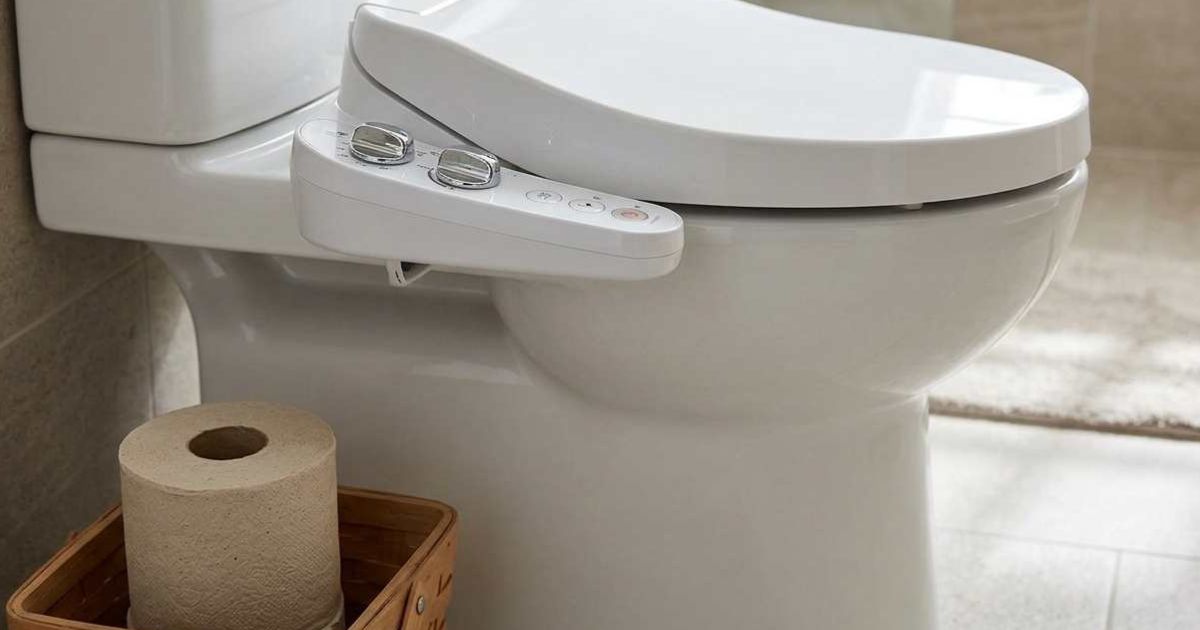
In the bathroom, consider whether a bidet attachment or washable hand towel makes sense for your household, budget and plumbing. This is a personal choice, not a requirement. If adding a fixture, check product instructions and local installation rules. Keep hygiene and comfort ahead of a zero-waste ideal.
Reduce printing without losing important records
Turn on double-sided printing when a paper copy is necessary, use print preview to avoid blank or duplicate pages, and save drafts digitally until you are ready to print. Ask for digital receipts when convenient. For documents that must be retained, use a simple digital folder with clear file names and a backup method. Do not discard legal, tax, medical or financial records just to meet a paper-reduction goal; follow relevant retention guidance and protect sensitive information before recycling or shredding.
For school or creative work, use both sides of clean scrap paper for notes, lists or rough drafts. Set up a small tray for paper that is still usable on one side. Reuse gift bags, envelopes and folders while they remain clean and functional. The U.S. EPA’s paper guidance encourages people to consider whether printing is needed, reuse gift bags and boxes, and check local rules for recycling paper and cardboard.
Manage junk mail and packaging
Sort incoming mail near the door so unwanted catalogs and flyers do not spread through the home. Use the sender’s preference process to opt out where available, and ask banks, utilities or other providers whether paperless statements are available and secure for you. Some mail cannot be stopped, so reuse clean envelopes for household notes or scrap paper before recycling. Remove personal information from discarded documents using a secure method suited to the sensitivity of the information.
Packaging paper and cardboard should be flattened and kept dry. Remove plastic wrap, foam or mixed materials when local instructions require it. Not every coated, laminated or food-soiled paper item belongs in curbside recycling. The EPA explains that acceptance varies by local program, so check your city or hauler rather than relying on a generic online list.

Use the right order: reduce, reuse, recycle
Recycling is useful, but preventing unnecessary paper use comes first. When you do use paper, reuse clean sheets, boxes and envelopes where practical. Then recycle accepted paper and cardboard correctly. Paper fibers can be recycled only a limited number of times before they become too short to make new paper products, so recycling does not remove the need to reduce consumption. Buying recycled-content paper can also support demand for recovered fibers when you need a new product.
A small household paper-reduction plan
- Put reusable cloths where paper towels are usually stored.
- Enable double-sided printing and preview before printing.
- Choose digital statements only when the account and device are secure.
- Keep one small box for clean paper that can be reused.
- Reuse gift bags and folders before recycling them.
- Check local instructions for cartons, shredded paper and food-soiled items.
- Keep private records safe and follow retention requirements before disposal.
Make paper reduction work for every person in the household. Keep a small basket for clean, one-sided sheets that can be used for drafts, children’s drawing or shopping notes, and recycle the remainder according to local rules. For bills, school notices and warranties, choose digital delivery only when you can reliably access and back up the files. Some records still need a paper copy, so avoid scanning and discarding documents before checking retention requirements or instructions from the issuing organization. When ordering online, look for a no-print receipt option and choose products with less packaging if the price and quality are reasonable. Set a simple limit for printing at home, such as reviewing a document on screen first and printing only the pages you need. These small defaults reduce waste without making essential information harder to find. Revisit the routine after a month to see which swaps stuck and which created inconvenience.
Frequently asked questions
Does recycling paper save trees?
Recycling recovered paper can reduce demand for virgin fiber and conserve resources, but the relationship is more complex than a fixed number of trees per household. Reducing unnecessary use, buying recycled-content products and recycling accepted paper all have a role.
Can all paper go in the recycling bin?
No. Local programs differ, and coated, laminated or food-contaminated items may have special rules. Check the instructions from your local recycling provider.
What is the easiest paper swap?
For many households, keeping a washable cloth where paper towels are used is an easy experiment. Start with one area and adjust if the laundry routine does not work for you.
Make paper reduction practical
Using less paper is most effective when it fits normal routines: reuse what is clean, print only when needed, and recycle correctly. Keep sensitive records secure and follow local collection rules. For more realistic waste-reduction habits across the home, visit our Zero Waste Living guide.
Further reading: U.S. EPA: How to Recycle Paper and Common Recyclables · U.S. EPA: What You Can Do to Reduce Waste.