

Explore greek mediterranean interior design through its colors, furniture, materials and practical decorating ideas. This guide explains how to create the look in real homes without sacrificing comfort.
Understanding the Look
Greek Mediterranean Interior Design is recognizable through whitewashed walls, natural stone, woven textures and simple timber. Yet the style should be a starting point for a home that works well, not a rigid checklist. Look at the natural light, architecture, room size and furniture you already have before planning changes. Choose a few defining elements that appeal to you and repeat them thoughtfully. The aim is a coherent space where people can relax, move around comfortably and find what they need. Good storage and lighting matter just as much as attractive finishes. Rather than copying an entire inspiration photograph, adapt its strongest ideas to your daily life.
Signature Colors
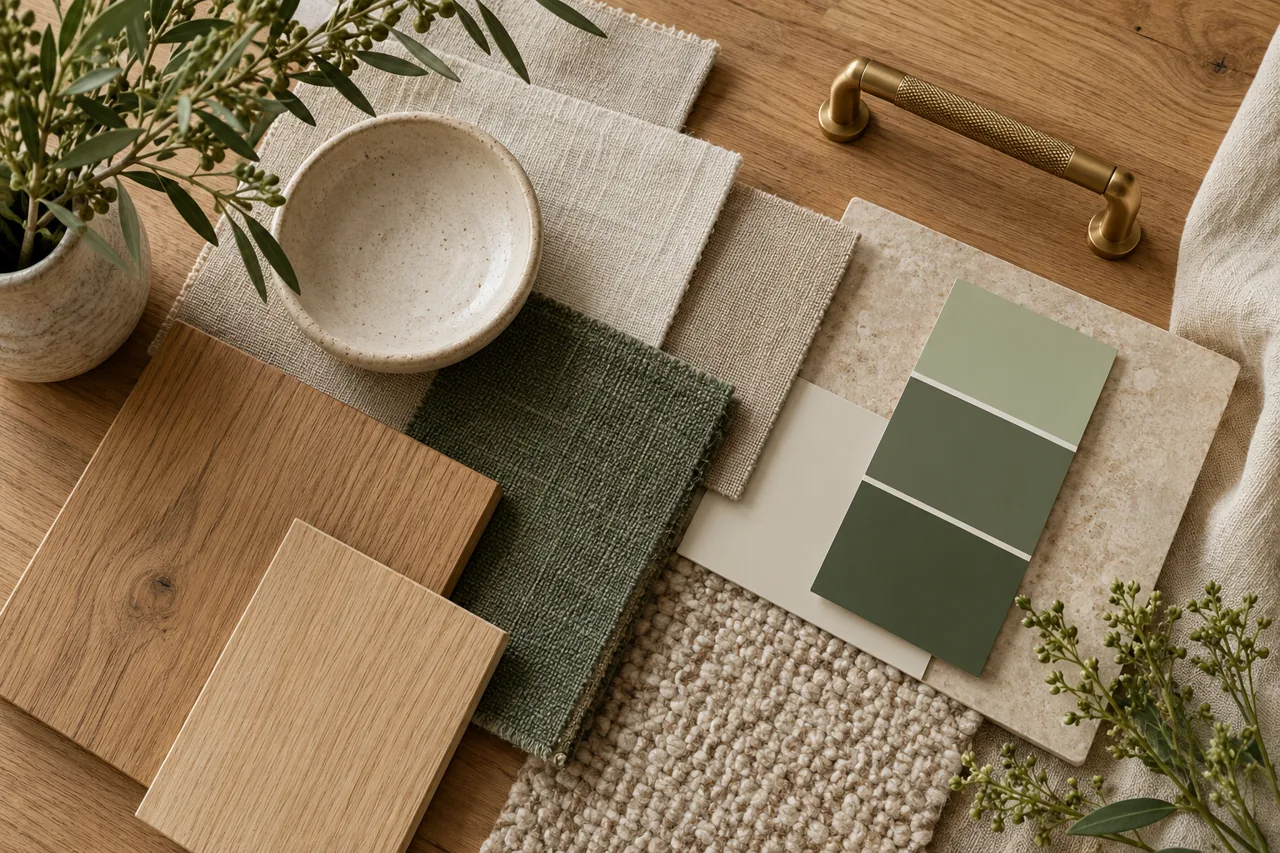
A practical palette can include chalk white, cobalt blue, sandy beige and olive. Choose a dominant background color and one or two supporting shades, then add accents in smaller amounts. Color relationships change in different lighting conditions, so test samples on the actual wall before painting. If the room is compact, contrast and careful furniture placement may matter more than making every surface pale. Repeat colors in cushions, artwork or ceramics to create continuity. Neutral areas give stronger accents room to stand out. The palette should complement existing floors and fixed surfaces, especially if a full renovation is not part of your budget.
Materials and Finishes
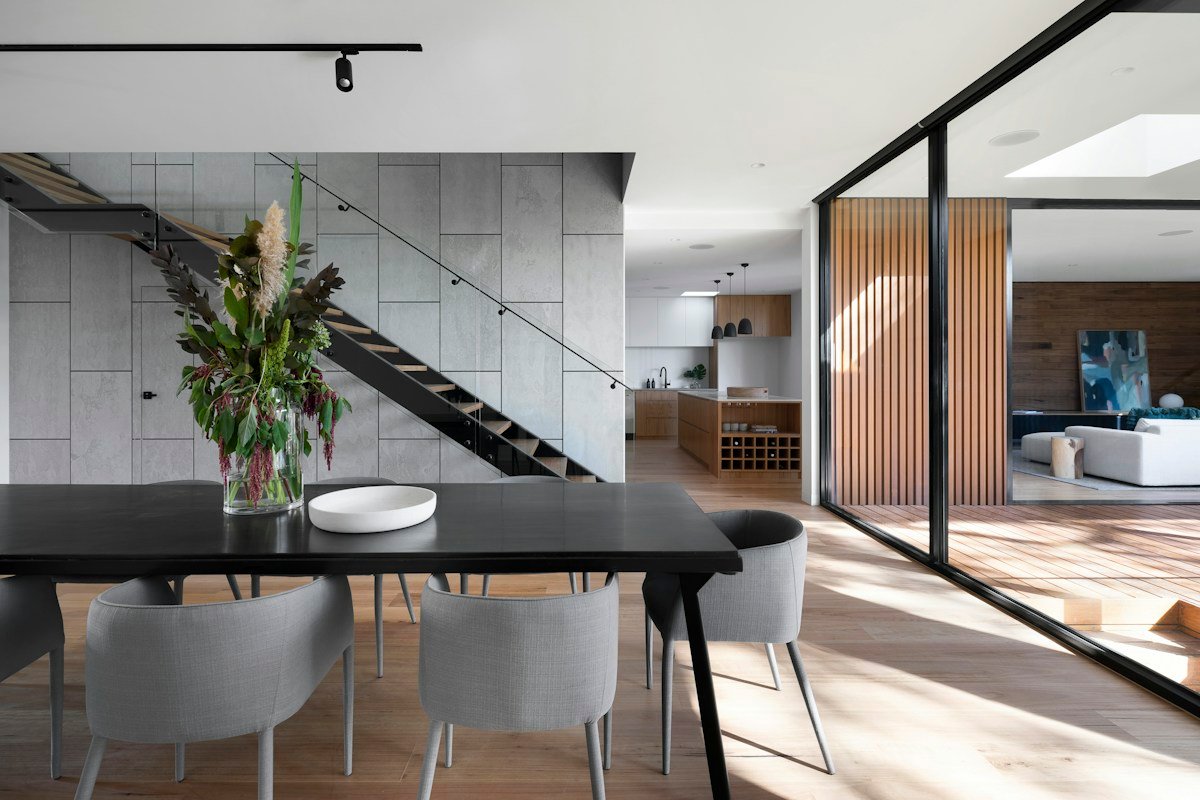
Materials help communicate the character of greek mediterranean interior design. Start with the surfaces already present in your home, then introduce one or two complementary textures through furniture, textiles or accessories. Pair smooth materials with woven or matte finishes to create depth. Think about cleaning and durability: a kitchen requires different surfaces from a bedroom, and a busy family room needs practical upholstery. You do not need expensive materials to achieve a distinctive effect. A well-chosen rug, lamp and piece of furniture can create more impact than several decorative purchases that compete for attention.
Furniture and Layout
Before shopping, measure the room and map its walking routes. Decide where people need to sit, work, eat or store belongings. Select the largest essential furniture item first, then build a balanced arrangement around it. One statement chair or table can establish the mood while simpler pieces support it. Avoid crowding doorways or leaving too little clearance around dining chairs. Furniture does not have to come from a matching set, but repeating colors, finishes or shapes helps different pieces feel connected. Choose comfort and appropriate scale over an exact imitation of a styled photograph.
Living Room Ideas
The living room is a natural place to explore whitewashed walls, natural stone, woven textures and simple timber. Begin with a sofa that suits your household and an appropriately sized rug. Introduce the style through lighting, artwork and one focal piece instead of filling every surface. Side tables should be reachable from the main seats, and lamps should support reading and conversation. Closed storage can hide cables, remotes and paperwork. If you have an architectural focal point, such as a window or fireplace, work with it rather than competing against it. The strongest living room combines a memorable look with everyday usefulness.
Bedroom Ideas
A bedroom benefits from a quieter interpretation of almost any decorating style. Choose bedding in a few colors from your palette, then add texture through curtains, a rug or a throw. A headboard, accent wall or artwork can establish the mood without excessive accessories. Keep the bedside area practical with useful lighting and a place for essentials. Leave comfortable walking space around the bed and ensure drawers can open fully. If you enjoy bold patterns, concentrate them in one or two areas. Your bedroom should remain comfortable and easy to maintain, not merely attractive in photographs.

Kitchen and Dining Spaces
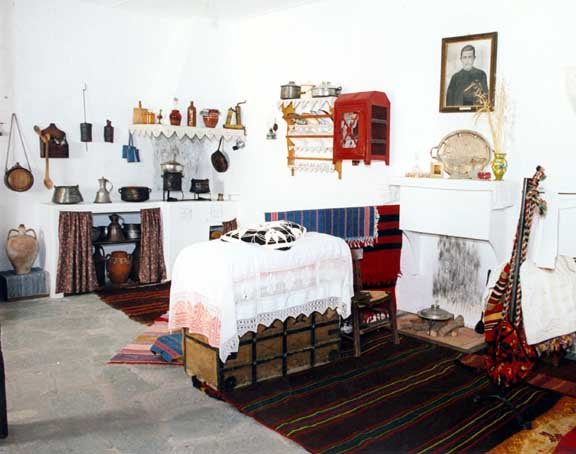
Kitchen and dining rooms can express this style through cabinet colors, stools, hardware, pendant lights and tableware. Start with small, manageable updates before considering costly renovation. Select easy-to-clean materials for food preparation areas and keep frequently used tools accessible. A dining table should be large enough for the household while allowing people to move chairs comfortably. A simple centerpiece or one distinctive light fixture can add personality. Avoid using fragile decorative pieces where they could interfere with cooking or serving. Functional decisions are part of successful interior design.
Lighting and Atmosphere
Lighting influences how colors, patterns and finishes look. Use ambient light for general visibility, task lighting for reading and work, and accent lighting to draw attention to artwork or architectural details. Check that fixtures are correctly sized for the room. Natural light can brighten materials, while warm evening lamps may create a relaxed atmosphere. Avoid glare on screens and overly dark corners. A well-placed floor lamp can improve comfort more than another decorative object. Choose fixtures that suit the design but also provide enough light for the activities taking place.
Decorative Details and Artwork
Accessories work best when they reinforce a clear direction. Select a few meaningful objects and arrange them deliberately. Artwork can repeat the palette or introduce a controlled contrast. If you have a collection, display related pieces together instead of spreading them across every shelf. Leave open space around favorite objects so they stand out. Mirrors can reflect light, but consider glare and placement. Use appropriate wall fixings for heavy frames. Personal photographs, books and inherited furniture can all belong in a carefully styled room; they give the space a character that store-bought accessories cannot replicate.
Small-Space Decorating
A small apartment can still reflect greek mediterranean interior design. Use appropriately scaled furniture, practical storage and one or two distinctive accents. Multifunctional pieces can help preserve floor space, while wall-mounted storage may keep surfaces clear. Repeat a limited palette so different parts of the room feel connected. Rather than adding many small objects, choose a single artwork, rug or lamp that communicates the style. Keep pathways clear and consider the room’s real activities before arranging furniture. A compact home benefits from editing, not necessarily from sacrificing personality.
Budget-Friendly Styling
Begin by reviewing what you already own. Rearranging furniture, changing the position of artwork and removing unnecessary clutter can improve a room without spending money. Identify the most important functional problems, then set a budget for solving them. Secondhand furniture, frames and lamps may offer good value, but inspect their condition and dimensions. Reversible updates such as cushions, rugs and curtains are especially useful for renters. Make purchases gradually and see how each item works with the existing room. Avoid replacing sound furniture solely to match a passing trend.
Common Mistakes
A common mistake is focusing on decorative details before resolving the layout. Oversized furniture, inadequate lighting and poor storage will still cause problems even in a beautifully styled room. Another mistake is using too many unrelated colors or materials without repeating any element. Test paint samples rather than relying on online photographs. Do not assume that every feature associated with the style belongs in one room. Choose the elements that fit your architecture, budget and preferences. The goal is a home that feels considered and comfortable rather than an exact reproduction of someone else’s space.
Step-by-Step Plan
First, define what you like about greek mediterranean interior design. Second, measure the room and identify which furniture will stay. Third, choose a palette inspired by chalk white, cobalt blue, sandy beige and olive. Fourth, select one focal point and arrange essential furniture around it. Fifth, introduce characteristic details such as whitewashed walls, natural stone, woven textures and simple timber through suitable materials or accessories. Sixth, improve lighting and storage. Seventh, add personal objects and live with the arrangement before purchasing anything else. Taking these steps in order can prevent unnecessary spending and help the room develop a coherent look.
Frequently Asked Questions
Can this style work in a small home? Yes. Focus on a few recognizable details, furniture scale and storage. Do I need a renovation? Not necessarily; lighting, textiles and artwork can change a room significantly. Can I mix styles? Yes, especially when you repeat colors, materials or proportions. How do I avoid clutter? Use closed storage and display fewer, more meaningful objects. Where should I start? Begin with room layout and the pieces you already own before buying decorative accessories.
Practical Greek Mediterranean Room Plan
For a Greek Mediterranean interior, begin with the qualities associated with many Cycladic homes: bright surfaces, rounded forms, simple materials, and a connection to daylight. These are inspirations rather than rules for every home in Greece. Your goal is a comfortable room that feels open and lived in, not a themed set.
Living room: build from the largest surfaces
Keep the main walls warm white or soft ivory, then bring in sand-colored upholstery and a few natural timber pieces. A single cobalt-blue ceramic vase or cushion can provide contrast without turning every surface blue. Choose a woven rug large enough to connect the seating group; in a compact room, placing at least the front legs of the sofa and chairs on the rug creates a more cohesive arrangement. Leave a comfortable walking route between the door, seating and window.
Bedroom: emphasize quiet textures
Layer breathable-looking cotton and linen textures in cream, oat and pale stone. A simple timber bedside table, ceramic lamp and one restrained landscape print can suggest the style without buying a matching furniture set. Use window coverings that provide the privacy and light control you actually need. Where strong sunlight heats the room, consider practical shading before decorative changes.
Kitchen: use blue accents sparingly
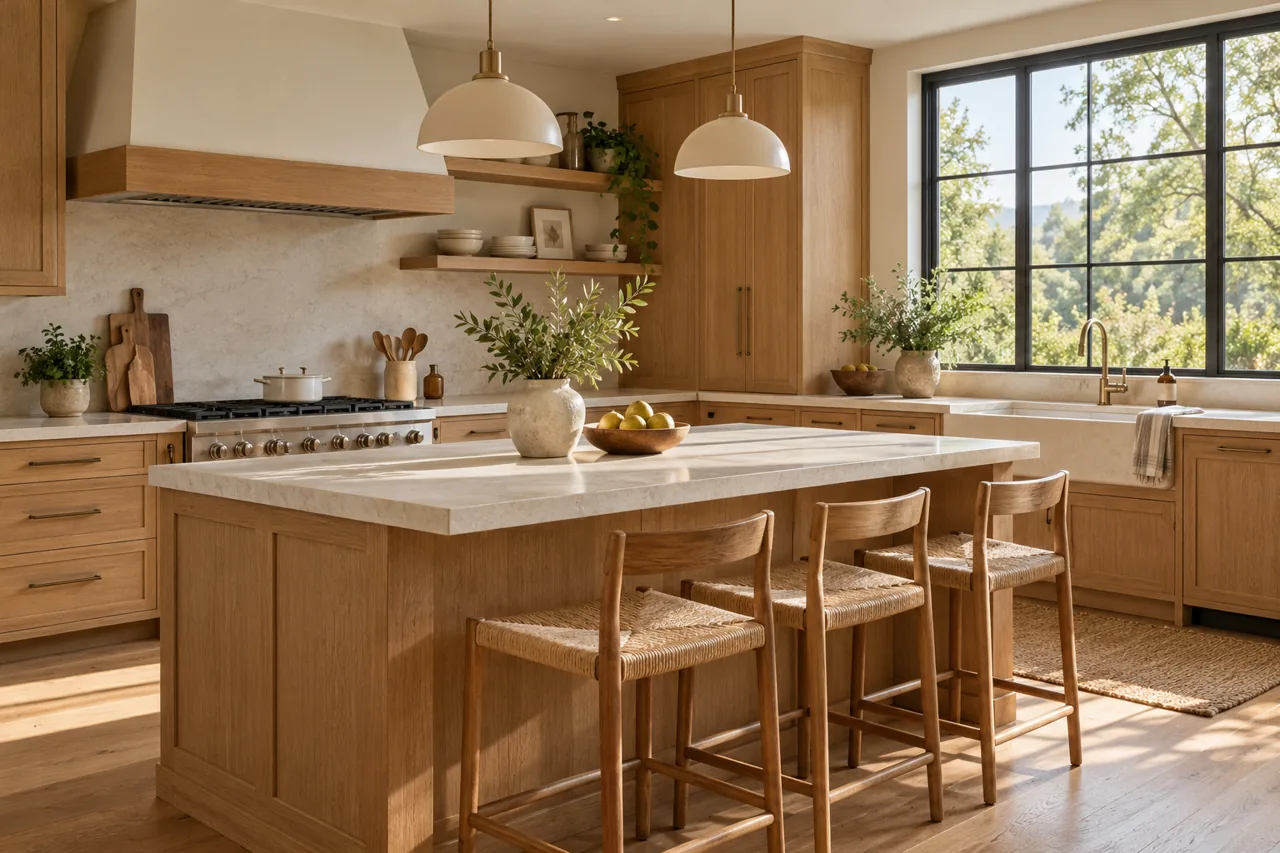
White or light neutral cabinets pair well with timber shelves, stone-look worktops and a few blue-and-white ceramics. If replacing cabinetry is outside your budget, start with removable textiles, a small pottery display or updated hardware. Keep work surfaces easy to clean and avoid placing decorative objects where they interrupt cooking tasks.
Before You Buy: A Five-Point Checklist
- Photograph the room in morning and evening light before choosing a wall color.
- Measure the sofa, table, door swings and main walking paths.
- Choose one dominant neutral, one natural material and one accent color.
- Reuse existing wood furniture where it fits the palette and room layout.
- Test small changes first: a textile, lamp or ceramic piece before major renovations.
Greek Mediterranean Interiors: Texture Beyond Blue and White
A Greek-inspired room need not rely entirely on blue-and-white stripes. Limewashed-looking walls, pale stone tones, natural woven materials and simple timber furniture can establish a relaxed base. Use blue as a deliberate accent in pottery or cushions rather than on every surface. In a kitchen, choose durable, washable finishes and practical storage; in a bedroom, focus on breathable fabrics and gentle lighting. Architectural details vary by island and region, so avoid presenting one palette as universal.
Final Thoughts
Greek Mediterranean Interior Design can provide an engaging direction for a home, but the best results come from thoughtful adaptation. Keep the space functional, choose a few recognizable features and introduce them gradually. For a wider overview of styles, see our interior design aesthetics guide. For more design reporting and visual references, explore Architectural Digest.