

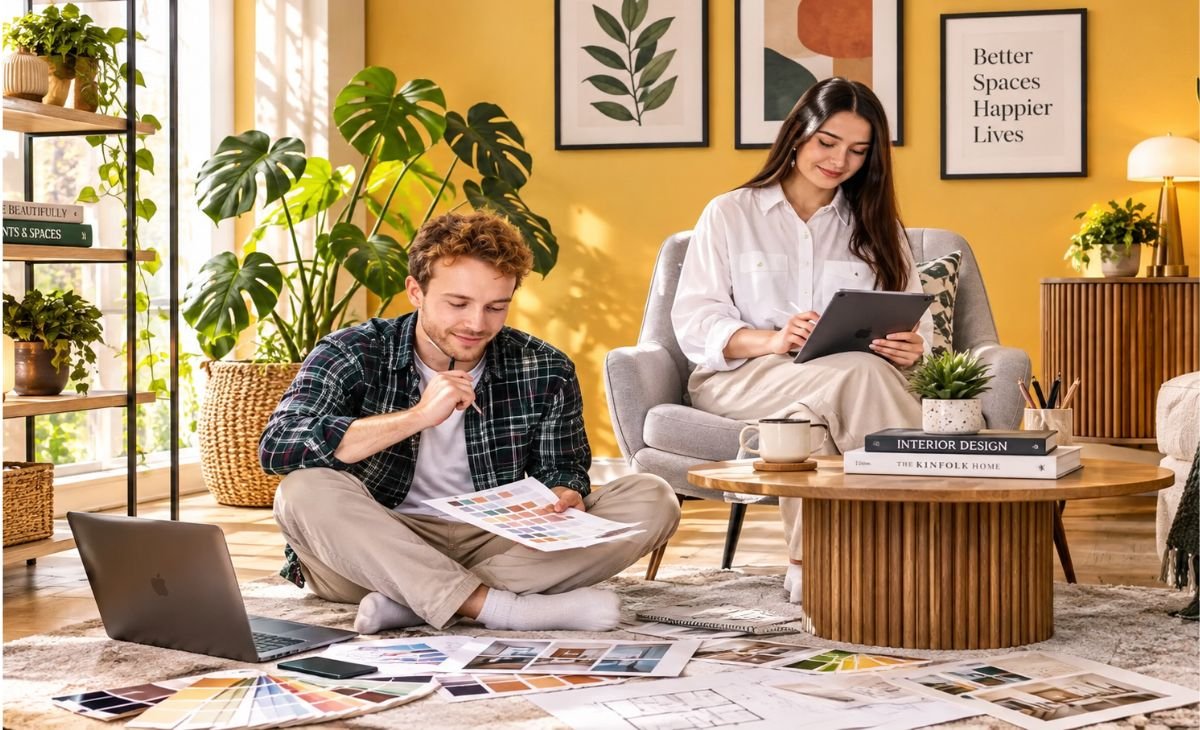
Practical Tips by Mintpaldecor
Learning how to be better at interior design starts with understanding what makes a home comfortable, attractive, and functional. You do not need expensive furniture or professional training to improve your decorating skills. With thoughtful planning, a suitable colour palette, balanced lighting, and furniture that fits your space, you can create an interior that reflects your personality.
At Mintpaldecor, we share practical home decorating ideas to help homeowners and renters make better design decisions. Whether you prefer modern interiors, traditional decoration, or a combination of different styles, the following tips will help you improve your design skills and avoid common decorating mistakes.
1. Start with a Clear Interior Design Plan
Planning is one of the most important steps in any home decorating project. Before purchasing furniture or choosing paint colours, consider how you use each room, what you want to improve, and how much you can comfortably spend.
Start by identifying your priorities. For example, a living room may need more seating, a bedroom may require additional storage, or a dining area may benefit from better lighting. Write down your essential requirements before thinking about decorative accessories.
Create a Simple Decorating Plan
Follow these steps to organise your project:
- Set a budget: Decide how much you can spend on furniture, paint, lighting, and accessories.
- Choose a design style: Explore modern, traditional, minimalist, Scandinavian, or other interior styles.
- Measure your space: Record room dimensions, door openings, window positions, and existing furniture sizes.
- Select a colour palette: Choose a few complementary colours that work throughout the room.
- Prioritise purchases: Buy essential items first and add decorative details later.
A written plan helps you avoid unnecessary purchases and keeps your design consistent. You can also create a simple mood board using photographs, fabric samples, paint colours, and furniture inspiration.
2. Explore Modern Home Decoration
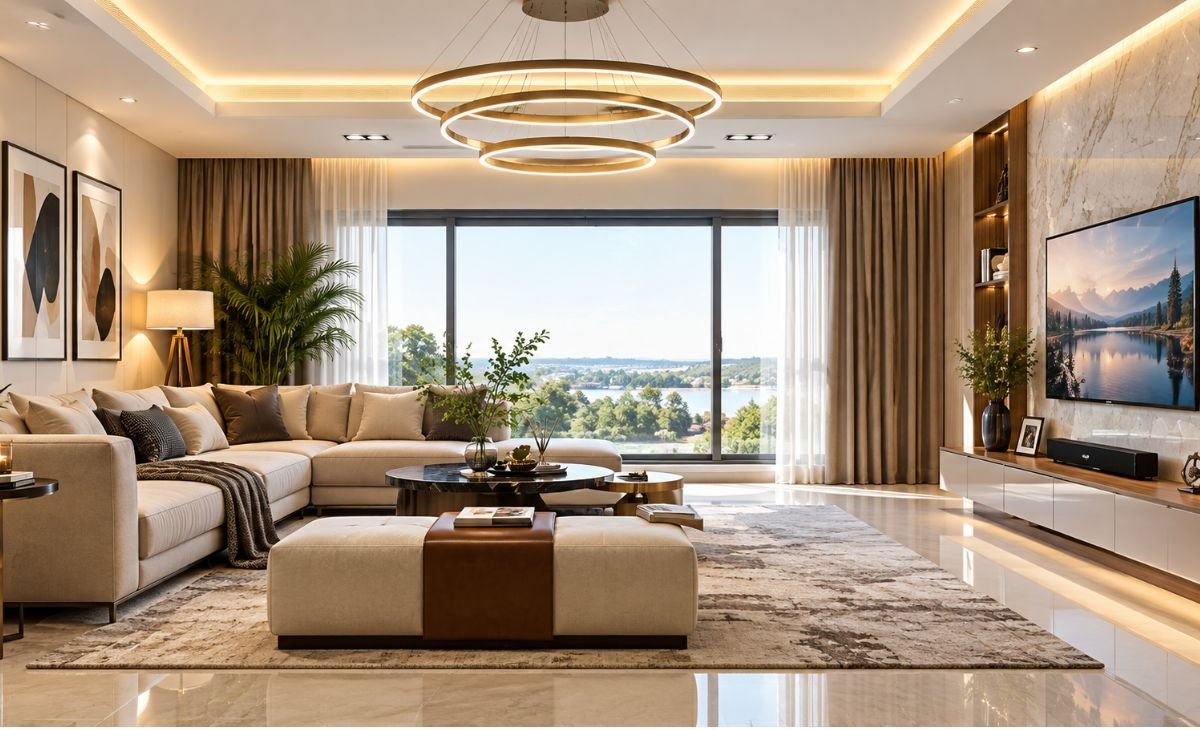
Modern interior design often emphasises clean lines, practical furniture, open space, and a coordinated colour scheme. This approach can work particularly well in smaller homes because it encourages thoughtful furniture placement and reduces visual clutter.
To create a modern interior, choose furniture that suits the proportions of your room. A compact sofa, a functional coffee table, and a few carefully selected accessories can create a more balanced appearance than filling the room with oversized pieces.
Neutral shades such as white, beige, warm grey, and soft brown provide a versatile foundation. You can introduce personality through cushions, artwork, plants, rugs, and decorative objects.
Keep your layout practical, too. Make sure people can move comfortably between furniture pieces, and avoid blocking windows or frequently used walkways. Modern design should improve everyday living rather than simply follow a particular appearance.
3. Appreciate Traditional Interior Design
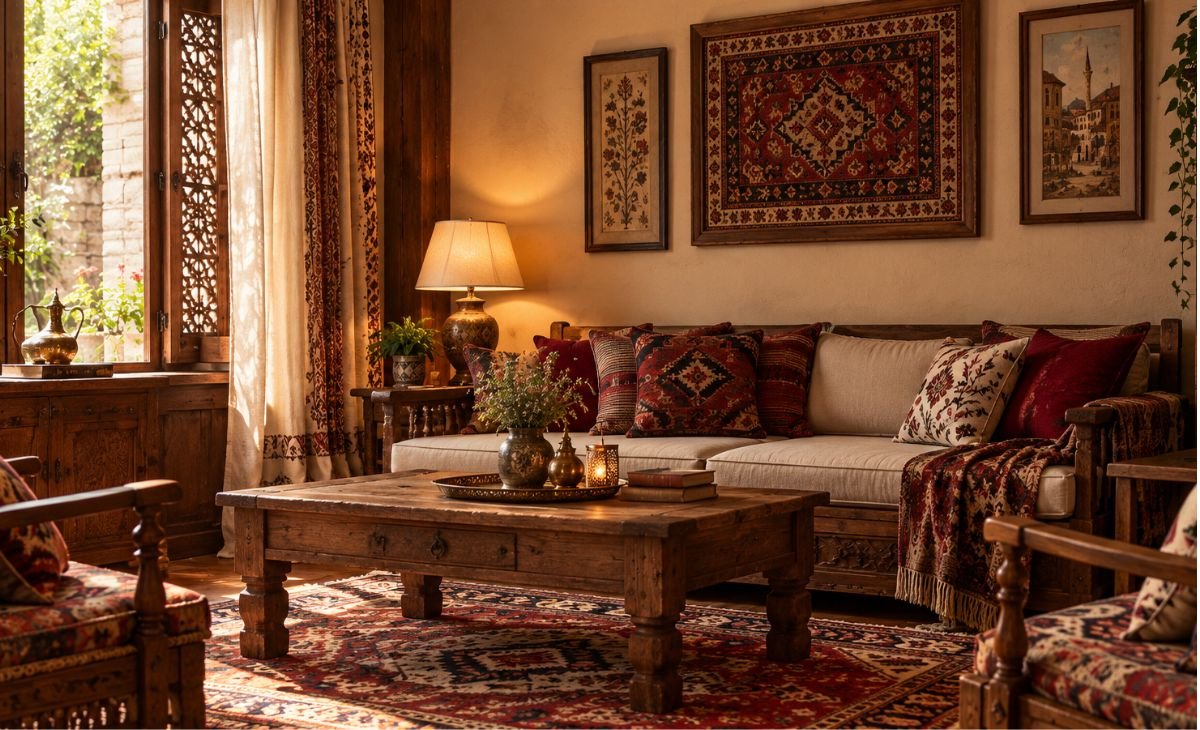
Traditional interior design often features wooden furniture, detailed craftsmanship, patterned fabrics, classic shapes, and decorative accessories. It can create a warm, welcoming atmosphere, especially when you choose materials and colours that complement one another.
Wooden tables, carved furniture, handmade textiles, embroidered cushion covers, and decorative pottery can bring character to a room. Colours such as cream, brown, maroon, and muted grey may work well in traditional interiors, depending on the furniture and available light.
However, traditional design does not mean that every item must look old-fashioned. You can combine classic wooden furniture with simple contemporary lighting or use handmade accessories alongside modern upholstery.
The key is balance. Choose a few distinctive traditional pieces and give them enough space to stand out. This creates a thoughtful interior without making the room feel overcrowded.
4. Understand Different Interior Design Styles
Exploring different design styles can help you identify the look that suits your home and personal preferences. You do not have to follow one style perfectly; many attractive interiors combine elements from several approaches.
Here are some popular options:
- Minimalist: Focuses on simplicity, essential furniture, clean lines, and limited decoration.
- Scandinavian: Combines practical furniture, light colours, natural materials, and a comfortable atmosphere.
- Modern: Emphasises streamlined shapes, functional layouts, and a coordinated appearance.
- Industrial: Uses materials and details such as metal, exposed brick, concrete, and unfinished-looking surfaces.
- Bohemian: Features layered textiles, varied patterns, plants, and personal decorative objects.
- Contemporary: Reflects current design preferences and may combine different materials, shapes, and finishes.
- Traditional: Often includes classic furniture, detailed craftsmanship, rich textures, and timeless decorative elements.
Before selecting a style, consider your lifestyle, budget, room size, and maintenance preferences. Save a few examples you genuinely like and look for common colours, materials, or shapes. These patterns can help you develop a consistent design direction.
5. Understand Your Room’s Structure
Good interior design begins with understanding the space you have. Before choosing furniture, measure the length and width of the room, note the ceiling height, and identify the positions of doors, windows, electrical outlets, and built-in storage.
These details affect where furniture can fit and how people move through the room. A large sofa may look attractive in a showroom but overwhelm a compact living room. Similarly, a dining table that is too large can make chairs difficult to pull out.
Plan Furniture Placement Before Buying
Use a simple floor plan to test different arrangements. Leave enough space for doors to open fully and for people to walk comfortably around furniture. Consider how daylight enters the room and whether seating is positioned to make the best use of available views.
If you rent your home, prioritise flexible furniture that can be moved or reused in another room. Understanding your space before shopping helps you avoid costly mistakes and makes the final arrangement more practical.
6. Choose a Balanced Colour Palette
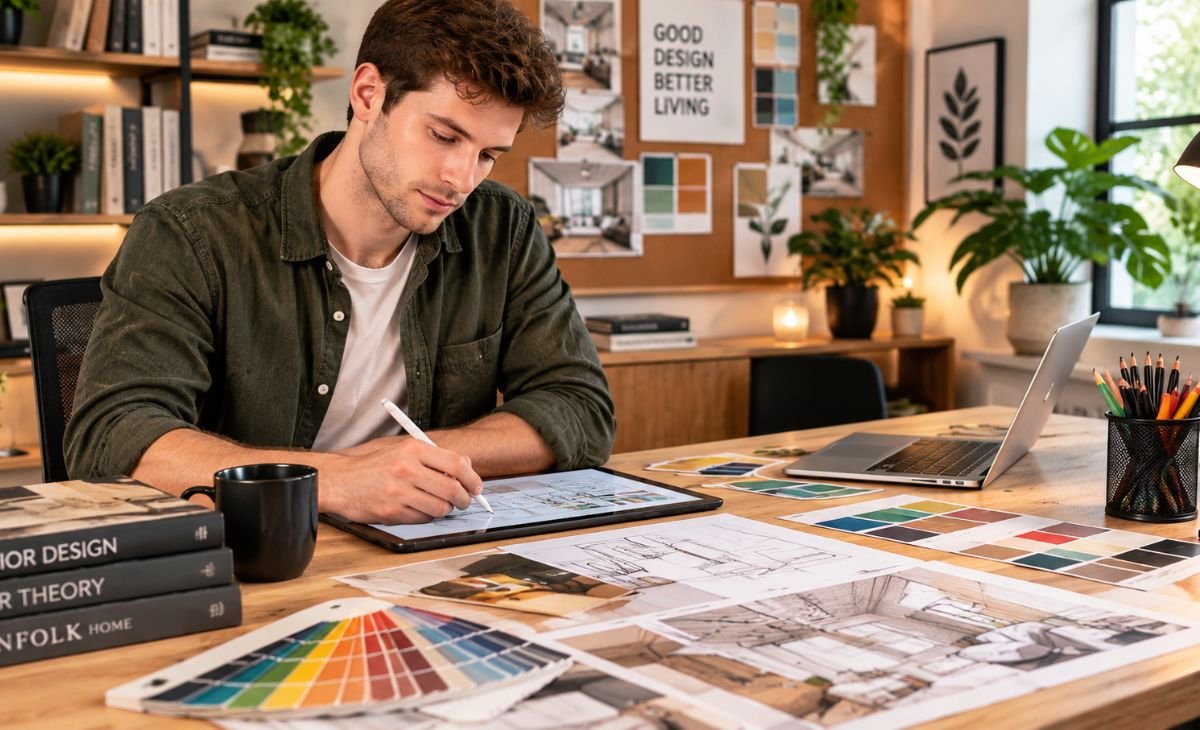
Colour has a strong influence on the overall appearance of an interior. Light shades can make a room feel more open, while darker colours may create a cosy, dramatic atmosphere. The best choice depends on the room’s natural light, size, furnishings, and intended mood.
Start with a main colour for walls or large surfaces, then select supporting colours for furniture, curtains, rugs, and accessories. For example, warm white walls can work well with wooden furniture, green cushions, and natural fabrics.
You can also use a simple colour scheme based on neutral shades with one or two accent colours. This makes it easier to coordinate new accessories without redesigning the entire room.
Before painting, test small samples on the wall and observe them in daylight and artificial lighting. Colours can look different depending on the light and nearby materials.
7. Combine Different Textures and Materials
A room can look flat when every surface has the same finish. Introducing a variety of textures adds depth and visual interest without requiring additional colours or expensive decorations.
For example, combine a wooden coffee table with a soft rug, cotton cushions, a glass vase, and a metal lamp. Natural materials such as wood, linen, jute, and stone can create warmth, while glass and metal may introduce a cleaner, more contemporary feel.
How to Mix Textures Successfully
- Pair smooth surfaces with softer materials.
- Use rugs, curtains, and cushions to introduce texture.
- Combine wood with glass or metal for contrast.
- Repeat selected materials in different parts of the room.
- Avoid introducing too many competing patterns at once.
The aim is to create contrast while maintaining harmony. If your furniture already has strong patterns or detailed finishes, choose simpler accessories to keep the room visually balanced.
8. Make the Most of Natural Light
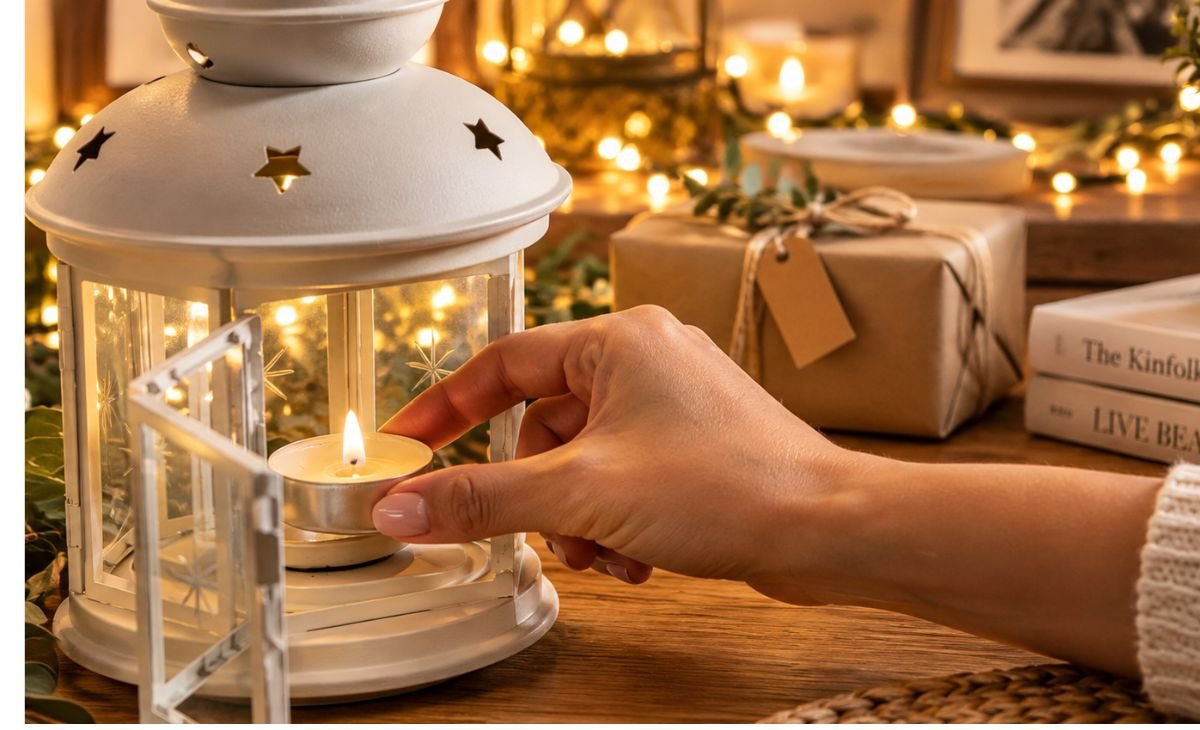
Natural light can make interiors feel brighter and more welcoming. It also reduces the need for artificial lighting during daylight hours when conditions are suitable.
Keep windows clean and avoid placing bulky furniture directly in front of them. Lightweight curtains can soften incoming light while maintaining privacy. Light-coloured walls and carefully positioned mirrors may help reflect daylight into darker areas.
According to the U.S. Department of Energy, thoughtful daylighting design can reduce reliance on artificial lighting, while appropriate window placement and shading help manage glare and unwanted heat. Read its guide to natural lighting and daylighting.
Remember that more sunlight is not always better. In rooms that become hot or experience strong glare, suitable blinds, shades, or curtains can help maintain comfort.
9. Select Furniture for Comfort and Function
Furniture should look attractive, but it must also serve your everyday needs. Before buying a piece, consider its size, comfort, durability, storage capacity, and ease of maintenance.
Simple furniture can provide a timeless foundation for your interior. Wooden furniture is a popular option because it brings natural warmth, although its durability depends on the wood, construction, finish, and care it receives.
For smaller rooms, consider multifunctional furniture such as storage ottomans, extendable dining tables, or beds with drawers. These options can help you make better use of limited space.
Avoid buying furniture simply because it is fashionable or looks impressive in a photograph. Measure your room, compare options, and choose pieces that fit your layout and budget.
10. Use Artificial Lighting in Layers
Lighting helps define the atmosphere of a room, especially in the evening. Instead of relying on one bright ceiling fixture, combine different types of lighting to support several activities.
Common lighting options include:
- Ceiling lights: Provide general illumination throughout the room.
- Floor lamps: Add light beside sofas or reading chairs.
- Table lamps: Work well on bedside tables, desks, and side tables.
- Wall lights: Highlight selected areas and provide additional illumination.
- Pendant lights: Suit dining tables, kitchen islands, and other focal points.
- LED strip lights: Can provide subtle accent lighting in suitable locations.
- Decorative lanterns and fairy lights: Add atmosphere when used thoughtfully.
Choose lighting according to the task and room. Reading areas need sufficient focused light, while living rooms may benefit from softer ambient lighting. In bedrooms, warm-toned lighting can help create a relaxing atmosphere.
Plan electrical work carefully and consult a qualified electrician for new wiring, fittings, or changes that require specialist knowledge.
11. Use Mirrors to Improve Your Interior
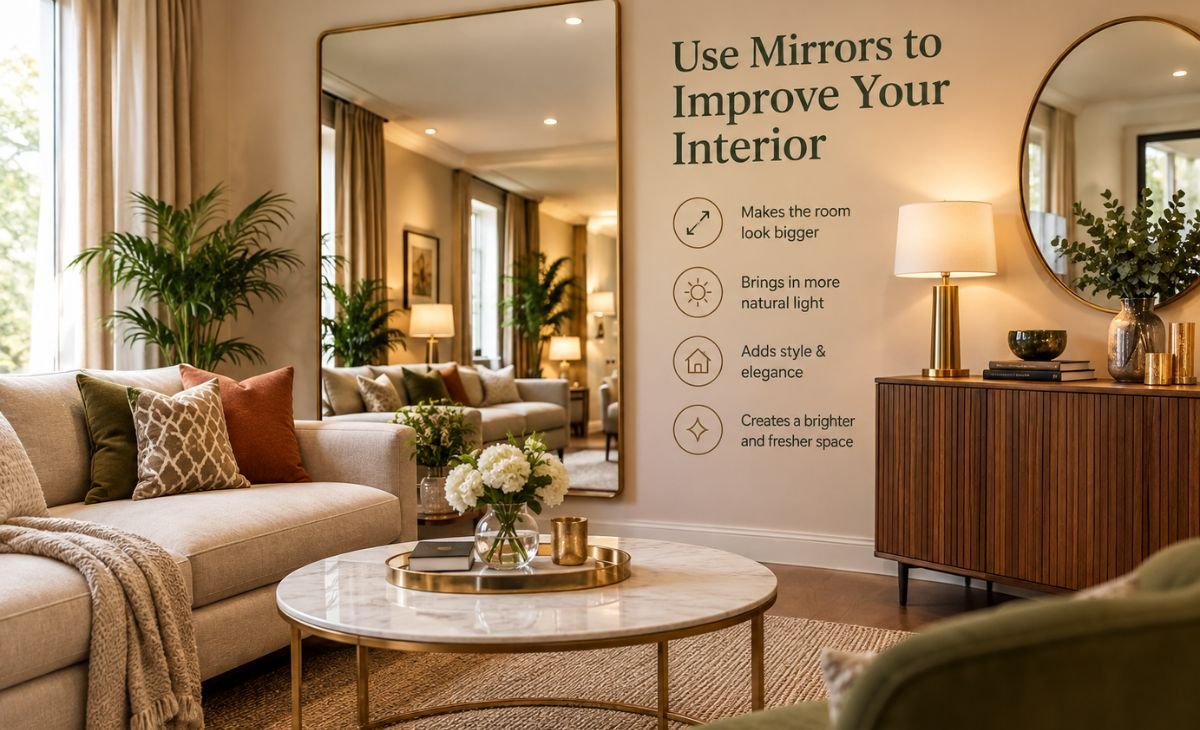
Mirrors can make a room appear more spacious and help reflect available light. They are especially useful in narrow hallways, compact bedrooms, entrance areas, and smaller living rooms.
A large mirror can become a focal point above a console table, while a full-length mirror can be practical in a bedroom. Decorative round mirrors can soften rooms that contain many straight lines and angular furniture.
For the best effect, position mirrors where they reflect daylight, attractive artwork, or an appealing part of the room. Avoid placing them where they reflect clutter or create uncomfortable glare.
Mirrors should complement your design rather than compete with every other decorative element. Choose a frame and size that fit the room’s proportions and overall style.
12. Avoid Following Every Interior Design Trend
Design trends can provide inspiration, but they change over time. Replacing furniture and decorations whenever a new style becomes popular can be expensive and unnecessary.
Instead, invest in pieces that suit your lifestyle and that you expect to enjoy for years. Use flexible accessories, such as cushions, lampshades, small rugs, and artwork, to experiment with current trends without changing your entire interior.
Personal preferences matter more than copying a perfectly styled photograph. A successful home should support your routines, reflect your personality, and feel comfortable to the people who live there.
Frequently Asked Questions
How can beginners improve their interior design skills?
Start by learning about color coordination, room measurements, furniture placement, lighting, and basic design styles. Create mood boards, study rooms you admire, and make small changes before attempting a complete redesign.
What is the easiest way to make a home look better?
Declutter the space, improve lighting, coordinate colors, and arrange furniture to create comfortable walkways. Adding a few well-chosen accessories or indoor plants can also refresh a room without a major expense.
Is modern or traditional interior design better?
Neither style is universally better. Modern interiors often emphasize clean lines and functionality, while traditional interiors may focus on craftsmanship, classic furniture, and detailed decoration. Choose the approach that suits your taste, budget, and lifestyle.
Conclusion
Learning how to be better at interior design is a gradual process that begins with understanding your space and making thoughtful decisions. Plan your budget, explore different design styles, choose a balanced color palette, combine textures, and select furniture that fits your room. Natural light, layered lighting, and strategically placed mirrors can further improve the appearance and functionality of your home.
You do not need to change every room at once. Start with one practical improvement, observe how it affects the space, and build on what works for you.
At Mintpaldecor, our goal is to share helpful home decorating ideas and interior design inspiration that make it easier to create a comfortable, attractive living environment. Explore our home decor guides for more ideas to improve your home.