

Introduction

Interest in zero-waste living traininghas grown fast in recent years. More people want structured guidance, not just scattered tips.
This guide covers where to find training, what these programs teach, and how to choose the right one for your goals. Whether you’re a curious individual or an aspiring sustainability professional, there’s a training path for you.
What Is Zero-Waste Living Training?
Zero-waste living training teaches the principles behind reducing waste at a personal, community, or professional level. Programs vary widely in depth and focus.
Some courses are short and self-paced, built for beginners at home. Others are certification-based, designed for professionals working in waste management or sustainability roles. Both approaches share the same foundation: refuse, reduce, reuse, recycle, and compost.
Personal vs. Professional Zero Waste Training
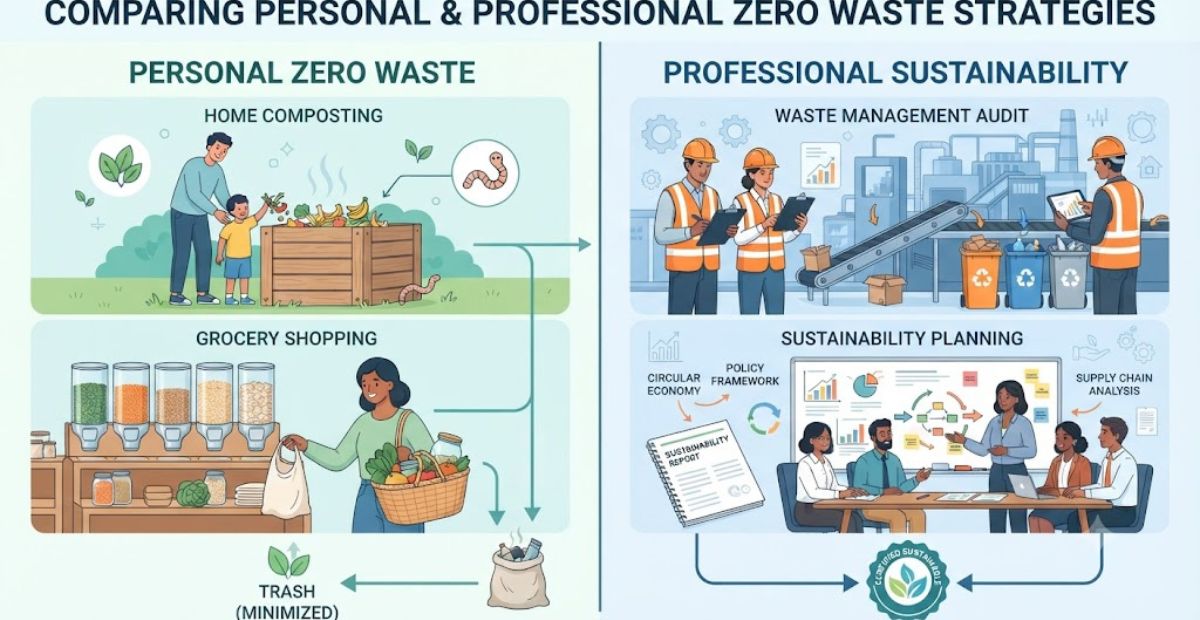
Personal training focuses on everyday habits. Think grocery shopping, composting, and reducing single-use plastics at home.
Professional training goes further. It covers policy, waste audits, and community program design. Organizations like Zero Waste USA and Zero Waste Europe offer this type of advanced, certification-based training for people working in the field.
Popular Zero Waste Training Formats

Training typically comes in a few common formats. These include:
- Self-paced online courses
- Live virtual webinars
- In-person workshops
- Certification programs for professionals
Each format suits a different learning style and time commitment. Beginners often prefer self-paced courses, while professionals may need certification-based training instead.
Where to Find Zero Waste Living Training
There are several credible places to start learning, depending on your goals.
- Online course platforms. Sites like Udemy offer beginner-friendly, self-paced zero waste courses covering everyday lifestyle changes.
- Nonprofit organizations. Groups likeZero WasteThe USA and Zero Waste Europe provide structured training and even trainer certification programs.
- Industry associations. SWANA, alongside the California Resource Recovery Association, offers professional-level courses on zero waste principles and practices.
- Community workshops. Local sustainability groups often host free or low-cost workshops on composting, recycling, and waste reduction.
- University extension programs. Some universities offer environmental science courses that include zero-waste modules.
Each option offers a different depth of learning, so it helps to match the training to your specific goal.
What You’ll Learn in a Zero-Waste Training Program
Most programs follow a similar core curriculum, even if the depth varies.
Common topics include:
- The difference between zero waste and traditional recycling
- Composting basics and food waste reduction
- Reducing single-use plastics and packaging waste
- Building sustainable habits that actually stick
- Community-level waste reduction strategies
Some professional-level courses go deeper. This includes waste audits, policy design, and even greenwashing awareness, so trainees can evaluate sustainability claims critically.
Example: A Real-World Training Outcome
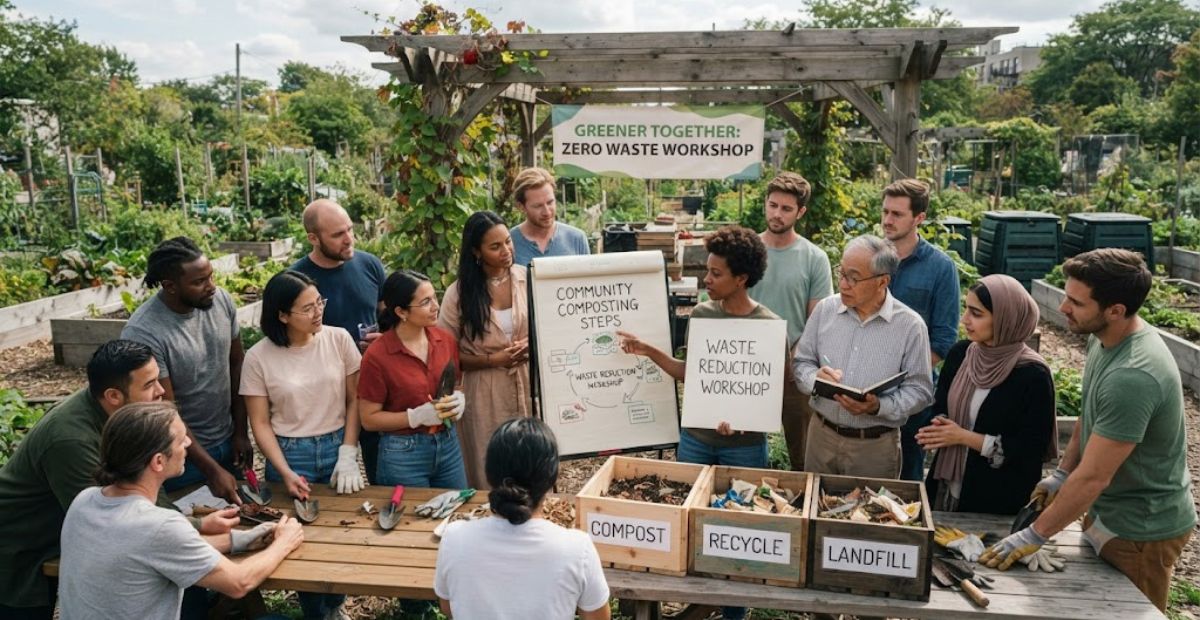
Programs like the Zero Waste Trainer certification, offered by organizations such as Let’s Do It Foundation, have trained community leaders across multiple countries. In several cases, participants reported directly improving how they teach sustainability concepts to their own communities afterward.
This shows that training isn’t just theoretical. It often leads to real, on-the-ground impact.
How to Choose the Right Zero Waste Training
Choosing a program depends on your goals, time, and budget.
Consider these questions first:
- Are you learning for personal lifestyle change, or professional development?
- Do you prefer self-paced learning or live instruction?
- Is certification important for your career goals?
- What’s your available budget and time commitment?
Beginners often do well starting with a short, low-cost online course. Professionals aiming for a career shift may benefit more from certification-based training instead.
For more foundational tips before enrolling in any course, check out our related guide on how to start living zero waste.
Common Mistakes When Starting Zero Waste Training
Many beginners jump into advanced certification programs too soon. This can feel overwhelming without foundational knowledge first.
Other common mistakes include:
- Skipping beginner content and going straight to professional-level courses
- Choosing a program without checking its credibility or reviews
- Expecting instant lifestyle change without consistent practice
- Ignoring community-based, free resources in favor of paid courses only
Because of this, it’s smart to start small. Build a foundation before committing to advanced or paid certification programs.
Frequently Asked Questions
Is zero waste living training free? Some options are free, especially community workshops and nonprofit-led sessions. Certification programs usually involve a fee.
Do I need certification to live a zero waste lifestyle? No. Certification is mainly useful for professionals working in sustainability or waste management roles, not for personal lifestyle changes.
How long does zero waste training usually take? This varies widely. Self-paced courses may take a few hours, while certification programs can span several weeks.
Can I take zero waste training online? Yes. Many organizations, including Zero Waste USA, offer fully online, self-paced training options.
Conclusion
Zero waste living training gives structure to a lifestyle that can otherwise feel overwhelming. Whether you’re learning for yourself or pursuing a sustainability career, the right program can accelerate your progress.
Start with a beginner-friendly course, then build from there. Over time, you’ll gain both the knowledge and confidence to make waste reduction a lasting habit.
Ready to begin? Explore a beginner-level zero-waste course today and take your first step toward lasting change