

Introduction
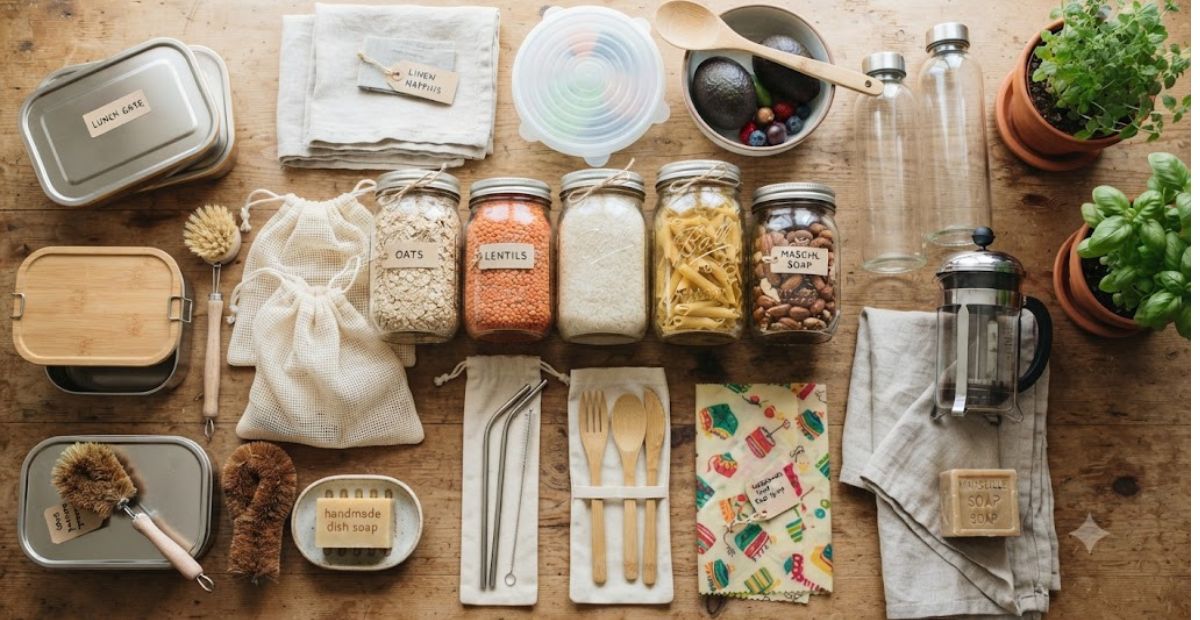
Cutting down on household waste doesn’t require a total lifestyle overhaul. Small daily habits add up fast.
This guide covers 20 practical ways to reduce waste at home. Each tip is simple, budget-friendly, and easy to start today. Whether you’re brand new to sustainable living or just refining your routine, these ideas fit any household.
Why Reducing Waste at Home Matters
Household trash makes up a huge share of landfill waste worldwide. Food scraps, packaging, and single-use plastics are some of the biggest culprits.
Because of this, learning how to reduce waste in everyday life at home isn’t just good for the environment. It also saves real money over time. Many people who track their spending find that low-waste habits, like brewing coffee at home instead of buying it out, quietly save thousands of dollars a year.
The Link Between Waste Reduction and Savings
Reducing waste often means buying less and reusing more. That naturally cuts costs.
For example, air-drying clothes instead of using a dryer can lower an electric bill noticeably. Small swaps like this show that eco-friendly habits and financial savings often go hand in hand.
Common Waste Sources in Most Homes
Before diving into solutions, it helps to know where waste usually comes from. The most common sources include:
- Food packaging and convenience meals
- Bottled water and soda
- Paper towels and napkins
- Disposable razors and personal care items
- Unused or rarely used household items
Identifying these patterns makes it easier to target the right habits first.
20 Ways to Reduce Waste at Home
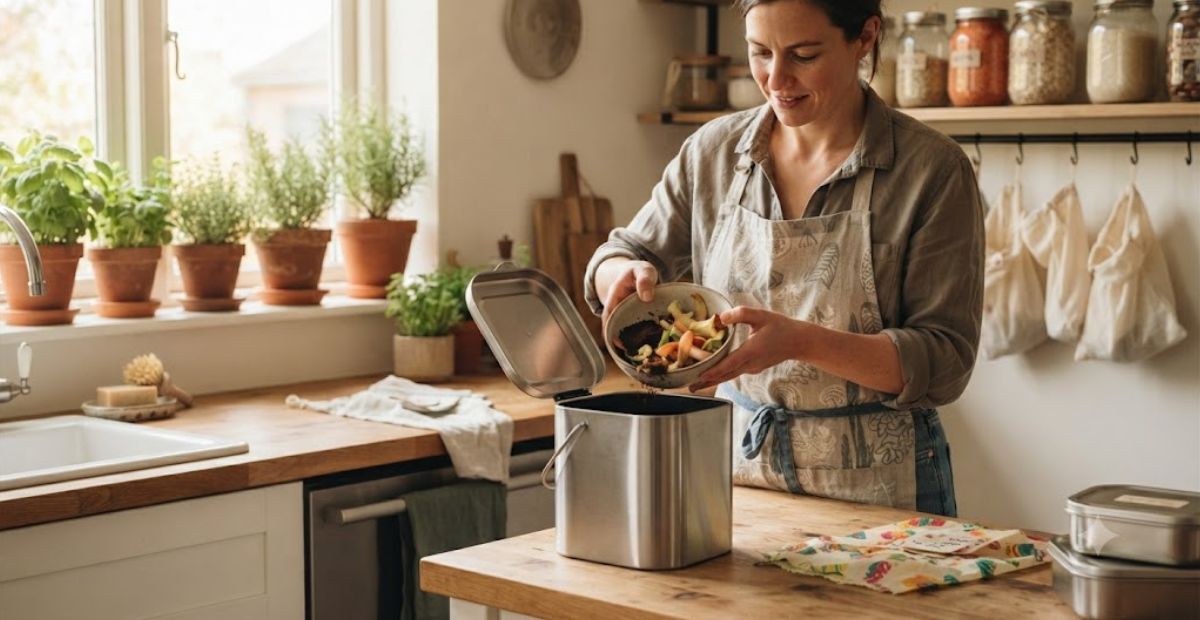
Here’s a complete, practical list to help you get started.
- Audit your trash weekly. Track what fills your bin most to spot easy wins.
- Switch to reusable shopping bags. Keep a few in your car or by the door.
- Brew coffee at home. This alone can prevent hundreds of disposable cups yearly.
- Use a reusable water bottle. Skip bottled water and soda whenever possible.
- Swap paper towels for cloth. Washable rags work just as well for spills.
- Start composting food scraps. This keeps organic waste out of landfills.
- Buy pantry staples in bulk. Bulk bins cut down on packaging waste significantly.
- Repair before replacing. Fix clothes, electronics, or furniture when possible.
- Choose reusable menstrual products. Options like cups or cloth pads reduce monthly waste.
- Join a buy-nothing group. Share or trade items instead of buying new ones.
- Borrow instead of buying. Tools, books, and equipment can often be borrowed locally.
- Use the library. Libraries reduce the need to buy books, magazines, or movies.
- Meal plan before grocery shopping. This prevents food waste from spoiled leftovers.
- Store food properly. Airtight containers extend freshness and cut spoilage.
- Switch to bar soap and shampoo bars. These skip plastic bottle packaging entirely.
- Use cloth napkins. They’re washable, reusable, and last for years.
- Recycle correctly. Learn your local rules to avoid contaminating recycling loads.
- Donate unused items. Give clothes, furniture, or electronics a second life.
- Avoid single-use plastics. Say no to straws, cutlery, and plastic bags.
- Buy secondhand first. Thrift stores often have quality items at lower prices.
These habits work best when introduced gradually. Start with two or three, then build from there over time.
Tips for Making These Habits Stick

Consistency matters more than doing everything perfectly. Small wins keep motivation high.
Here are a few extra tips to help these habits last:
- Set one new waste-reduction goal each month
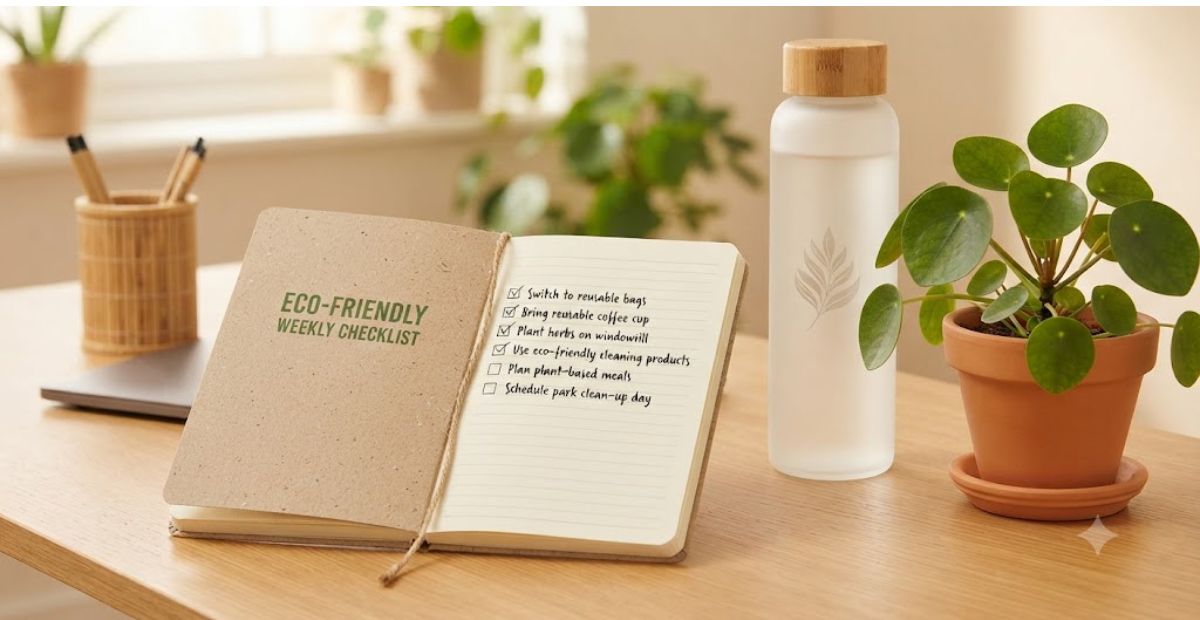
- Track progress with a simple checklist or journal
- Involve family members so habits become shared routines
- Celebrate milestones, like your first zero-waste week
For more ideas on cutting specific waste categories, check out our related guide on reducing plastic waste at home.
Example: A Simple Household Swap That Adds Up
Many households report that swapping just three habits, like homemade coffee, reusable bottles, and composting, cuts their weekly trash significantly. These changes require little effort but create noticeable results within a few months.
Common Mistakes to Avoid
Some beginners try to change everything at once. This often leads to burnout.
Other frequent mistakes include:
- Buying too many “eco” products instead of using what’s on hand
- Ignoring food waste, one of the largest waste categories
- Skipping composting because it seems complicated
- Forgetting to recycle correctly, which can contaminate entire batches
According to the EPA’s food waste guidance, composting at home is one of the simplest ways to divert waste from landfills. This makes it a strong starting point for beginners.
Frequently Asked Questions
What is the easiest way to reduce waste at home?
Starting with reusable items, like water bottles and shopping bags, is usually the easiest first step.
Does reducing waste really save money?
Yes. Many households save on groceries, utilities, and everyday purchases through simple, low-waste habits.
How long does it take to build these habits?
Most people take a few weeks to a few months to make these changes feel natural.
Is composting hard to start at home?
Not at all. A small countertop bin or an outdoor pile works fine for beginners. Even simple composting keeps food scraps out of landfills.
What are the biggest sources of waste in a typical home?
Food packaging, convenience meals, bottled drinks, and paper products usually top the list. Tracking your trash for a week quickly reveals your biggest sources.
Can reducing waste work in a small apartment?
Yes. Reusable bags, bulk shopping, and small compost bins all work well in limited space. Waste reduction isn’t limited to houses with yards.
Do I need to buy special eco-friendly products to get started?
No. The most effective first step is using what you already own, like existing containers, bags, or jars, before buying anything new.
How do I get my family involved in reducing waste?
Start with one shared habit, like composting or using reusable bags. Involving everyone early makes the change easier to maintain long-term
Conclusion
Reducing waste at home doesn’t require perfection. It just takes consistent, small steps.
Pick two or three ideas from this list and start this week. Over time, these habits build into a lifestyle that’s better for your wallet and the planet.
Ready to reduce your household waste? Choose one habit today and start building momentum.