

Introduction: What Is a Waste Reduction Center?
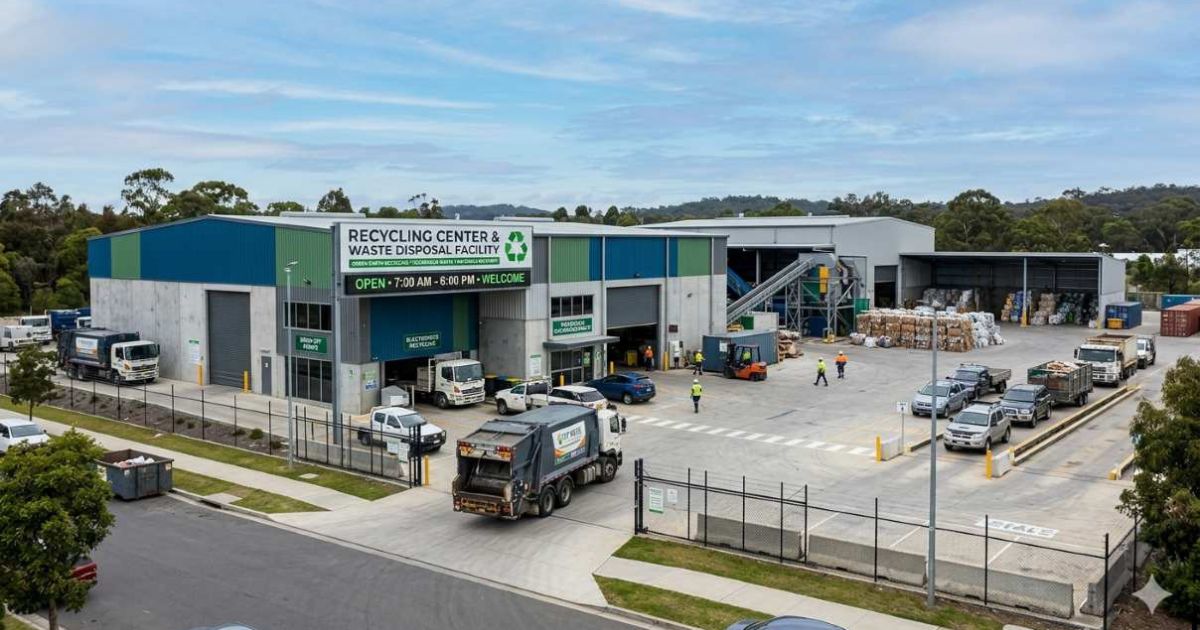
Awaste reduction center serves as a vital community resource for residents seeking to dispose of materials responsibly. Unlike regular curbside pickup, these facilities accept larger items, electronics, construction debris, and other materials that don’t belong in everyday trash cans.
Across the United States, these centers help divert thousands of tons of waste from landfills each year. They provide essential services that make sustainable living accessible to everyone, regardless of where they live.
Understanding what your local center accepts and how to use its services ensures you’re doing your part for the environment. Whether you’re decluttering your home or tackling a renovation project, this guide covers everything you need to know about waste reduction centers nationwide.
For foundational knowledge about sustainable practices, explore our zero waste living definition and 2026 guide to understand how these facilities fit into your eco-friendly lifestyle.
Services Commonly Offered at Waste Reduction Centers
Most waste reduction centers across America provide similar core services, though specific offerings vary by location.
Large Item Disposal
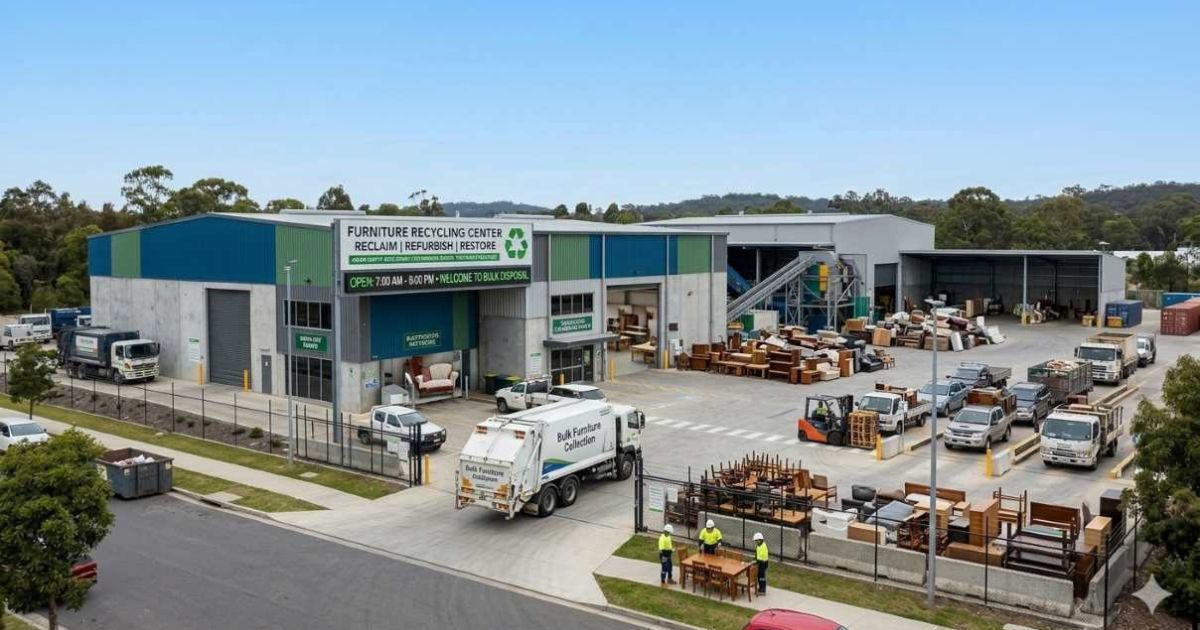
Bulk items that don’t fit in regular trash bins are a primary focus. These include:
- Furniture (sofas, mattresses, tables, chairs)
- Appliances (refrigerators, washers, dryers, stoves)
- Carpet and padding
- Construction and demolition debris
According to waste management experts, many appliances contain refrigerants or other materials that require special handling, making proper disposal through certified centers essential .
Electronics Recycling (E-Waste)
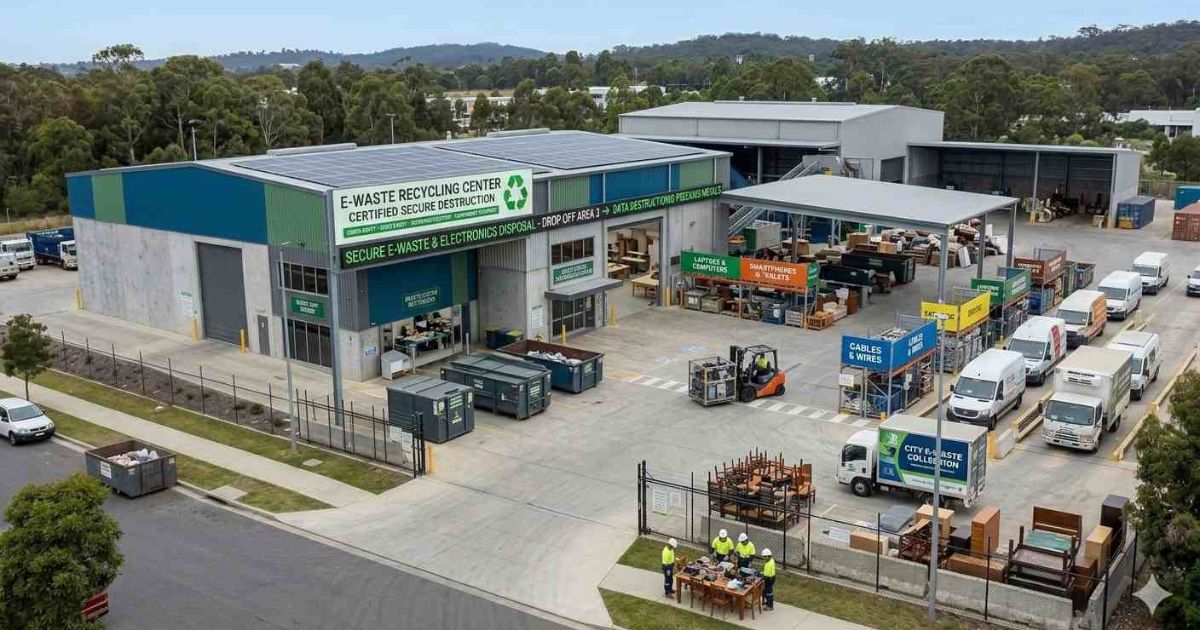
Electronic waste contains valuable materials and toxic components that should never go to landfills. Most centers accept:
- Computers and laptops
- Televisions and monitors
- Printers and scanners
- Cell phones and tablets
- Cables and accessories
When electronics are recycled properly, precious metals like gold, silver, and copper can be recovered and reused in new products .
Hazardous Waste Collection
Many waste reduction centers partner with household hazardous waste facilities to accept dangerous materials. Common items include:
- Paints and solvents
- Cleaning chemicals
- Pesticides and herbicides
- Motor oil and antifreeze
- Batteries
- Fluorescent light bulbs
The Environmental Protection Agency emphasizes that hazardous waste requires special disposal to protect groundwater and community health .
Spotlight: Louisville Waste Reduction Center
The Louisville Waste Reduction Center at 636 Meriwether Avenue exemplifies how these facilities operate across America .
Location and Contact Information
| Information | Details |
| Location | 636 Meriwether Avenue, Louisville, KY 40217 |
| Phone Number | (502) 574-2888 |
| Operator | Louisville Metro Government Waste Management District |
Hours and Holiday Schedule
Hours may vary seasonally and during holidays. According to official sources, the center observes holiday closings including :
- Thanksgiving Eve – closes at 1 p.m.
- Thanksgiving Day – closed
- Day after Thanksgiving – closed
- Christmas Eve – closed
- Christmas Day – closed
- New Year’s Day – closed
Before visiting, confirm current hours by calling ahead or checking the official LouisvilleKY.gov website.
Important Service Alerts
Due to high volume, the Louisville center sometimes reaches capacity. A June 2025 announcement noted that large household items, construction materials, and yard debris were temporarily not accepted, while electronics and tires remained available .
When the center is full, residents have several alternatives :
| Alternative Option | Details |
| Private disposal locations | Rumpke Transfer Station (1101 W. Oak St.), Poplar Level Transfer Station (4446 Poplar Level Rd.), Outer Loop Recycling & Disposal (2673 Outer Loop) |
| Large item pickup | Urban Services District residents can schedule pickup of up to four items |
| Pop-Up Drop-Off events | Special events held throughout the year |
What Your Local Waste Reduction Center Accepts
While specifics vary by location, most American waste reduction centers follow similar acceptance guidelines.
Commonly Accepted Items
| Category | Examples |
| Large household items | Furniture, mattresses, appliances |
| Electronics | Computers, TVs, phones, printers |
| Yard waste | Tree limbs, grass clippings, leaves |
| Construction debris | Wood, drywall, flooring, windows |
| Tires | Passenger vehicle tires (limit often applies) |
| Metals | Scrap metal, appliances |
Items Typically NOT Accepted
Some materials require specialized facilities :
| Material Type | Alternative Disposal |
| Household hazardous waste | Hazardous waste drop-off facility |
| Motor oil, filters, antifreeze | Staffed recycling drop-off locations |
| Cooking oil | Staffed recycling drop-off locations |
| Medical waste | Hospitals or specialized services |
| Explosives or ammunition | Law enforcement agencies |
Additional Recycling Resources Across America
Beyond waste reduction centers, most communities offer comprehensive recycling networks.
Staffed Recycling Drop-Off Locations
These facilities accept standard recyclables PLUS special items. Staff will help unload items if needed .
Common accepted items at staffed locations:
- Standard recyclables (paper, cardboard, plastic bottles, glass, metal cans)
- Used cooking oil
- Motor oil and filters
- Antifreeze
Important safety note: All lawn equipment must be empty of gasoline and oil before dropping off .
Unstaffed Recycling Drop-Off Locations
Convenient neighborhood locations accept standard recyclables and are often open extended hours . These are perfect for:
- Cardboard and paper
- Plastic bottles and jugs
- Glass bottles and jars
- Metal cans
Finding Your Local Resources
Every American community offers different waste reduction resources. To find yours:
- Check your city or county website – Most have waste management sections
- Search for “waste reduction center near me” – Online maps show nearby options
- Use the MyLouisville tool – Louisville residents can enter their address to find collection days and services
- Call your local public works department – They can direct you to the right facility
Environmental Impact of Proper Waste Disposal
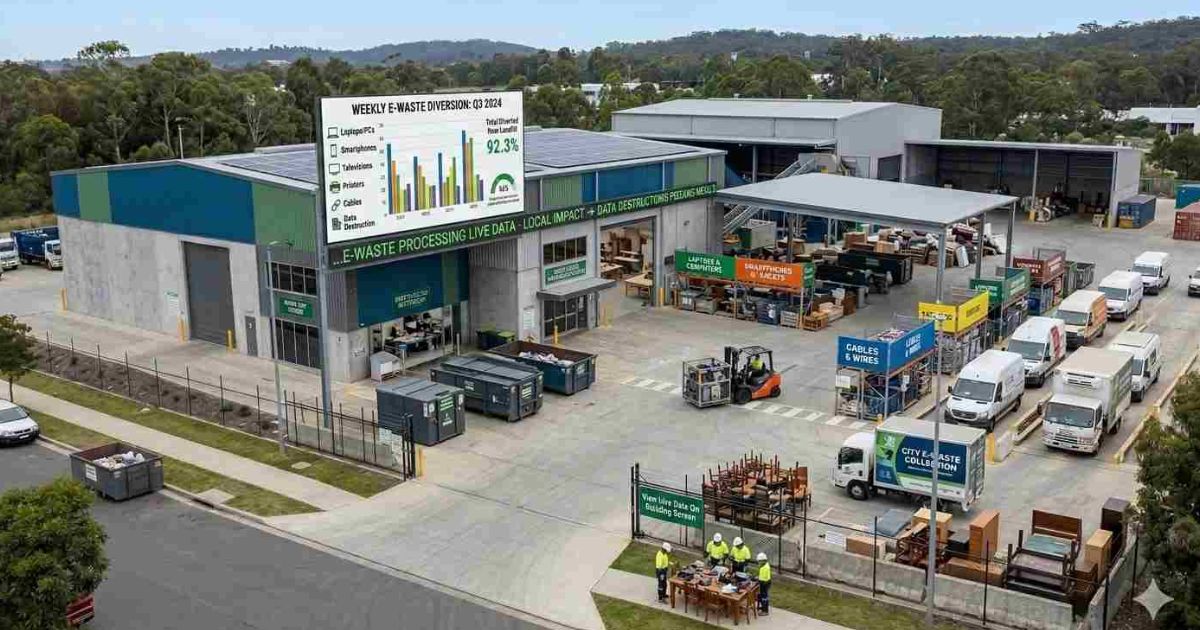
Using your local waste reduction center creates significant environmental benefits.
Landfill Diversion Statistics
According to the EPA, food scraps and yard waste alone make up more than 30% of what Americans throw away . When these materials are properly composted or recycled through waste reduction centers, they:
- Reduce methane emissions from landfills
- Conserve natural resources through material recovery
- Save energy compared to manufacturing from virgin materials
- Protect groundwater from hazardous waste contamination
Recycling Success Stories
WM, North America’s largest recycler, manages 3.8 million tons of organic material annually and operates over 50 organics facilities across the continent . This scale demonstrates how proper waste management infrastructure makes a measurable difference.
Community programs like Louisville’s “kNOw Waste Ambassador” initiative empower residents to become neighborhood leaders in waste reduction .
Tips for Using Your Waste Reduction Center Effectively
Follow these guidelines to make your visit smooth and successful.
Before You Go
- Call ahead to confirm hours and current acceptance status
- Check what’s accepted – don’t bring prohibited items
- Sort materials at home to speed up drop-off
- Bring identification – some centers require proof of residency
- Secure loose items in your vehicle for safe transport
During Your Visit
- Follow site signage and staff directions
- Stay in your vehicle if required
- Keep children and pets safely inside the car
- Separate materials as directed
- Ask questions if unsure where to place items
Alternatives When the Center Is Busy
If your local center reaches capacity, try :
- Private transfer stations – May charge fees but accept similar items
- Large item pickup services – Schedule from your home
- Pop-up drop-off events – Held periodically throughout the year
- Retail take-back programs – Some stores accept electronics and batteries
Frequently Asked Questions
What is a waste reduction center?
A waste reduction center is a facility where residents can drop off items that don’t belong in regular trash, such as large furniture, electronics, construction debris, and yard waste. These centers help divert materials from landfills through recycling and proper disposal .
How do I find my local waste reduction center?
Start with your city or county government website. Search for “waste management,” “recycling,” or “public works” departments. You can also search online for “waste reduction center near me” or call your local public works department directly.
What items are most commonly accepted?
Most centers accept large household items (furniture, appliances), electronics (computers, TVs), yard waste, construction debris, and tires . However, acceptance varies by location, so always check before visiting.
What should I do with hazardous waste?
Hazardous waste like paints, chemicals, motor oil, and batteries typically require specialized facilities. Check with your local waste reduction center for the nearest hazardous waste drop-off location .
Is there a fee to use waste reduction centers?
Some centers are free for residents, while others charge fees for certain items like tires, electronics, or large volumes of construction debris. Call ahead to understand any costs before your visit.
What if my local center is at capacity?
If your waste reduction center is temporarily closed or full, ask about:
- Private disposal facilities in your area
- Large item pickup services
- Pop-up drop-off events
- Retail take-back programs
Can businesses use waste reduction centers?
Policies vary by location. Some centers accept business waste for a fee, while others are restricted to residential use only. Check with your local facility for commercial disposal options .
How can I stay updated on waste reduction services?
Follow your local waste district on social media, sign up for email alerts, or check the official website regularly for updates on hours, accepted items, and special events
Conclusion: Your Partner in Sustainable Living
Waste reduction centers across America provide essential services for responsible waste management. By using these resources, you’re directly contributing to a cleaner, healthier environment in your community.
Remember these key takeaways:
- Locate your nearest center through city or county websites
- Know what’s accepted before you go
- Call ahead to confirm hours and availability
- Use alternatives when centers are busy
- Participate in community programs like ambassador initiatives
Your efforts to reduce, reuse, and properly dispose of waste make your community a better place to live. Start today by visiting your local waste reduction center or exploring the many recycling options available in your area.
For more guidance on sustainable living, revisit our zero waste living definition and 2026 guide for additional tips and inspiration.
explore the Environmental Protection Agency’s sustainable materials management resources