

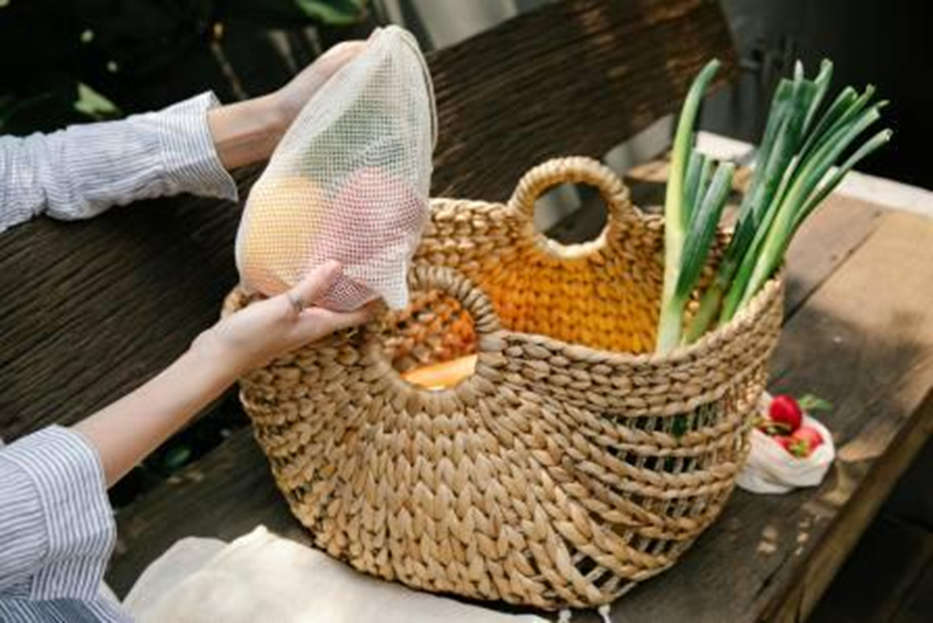
Zero waste living is a philosophy that encourages the redesign of our resource life cycles. The goal is for no trash to be sent to landfills, incinerators, or the ocean. Think of it as a holistic approach to reducing your environmental footprint.
It’s not about achieving absolute perfection. Instead, it focuses on making consistent, better choices that minimize waste. This guide will walk you through the simple steps to get started.
What is Zero Waste Living, Really?
Many people hear zero waste and imagine a home with a single, Fitting a year of trash into a tiny jar is impressive. However, it is not realistic for most. Zero waste living supports a circular economy. In a linear economy, we take, make, and dispose. In contrast, a circular economy keeps materials in use longer.
The circular model, on the other hand, mimics nature. In fact, nothing goes to waste because everything becomes a resource for something else. Moreover, it reduces strain on resources, and therefore, it helps protect the environment.
This lifestyle prevents waste before it starts. It creates a proactive shift in how we live and consume. By reducing waste, we conserve resources, cut pollution, and fight climate change.
The Core Principles: The 5 R’s
The entire framework of zero waste is built upon a powerful hierarchy known as the 5 R’s. It’s crucial to follow them in order for maximum impact.
1. Refuse: The first and most powerful step is learning to say “no” to things you don’t need. For example, refuse single-use plastics like straws and cutlery, decline free promotional items, and stop junk mail before it even reaches your home.
2 Reduce: Next, take a close look at what you already own. Do you really need five black t-shirts or that gadget used once a year? By reducing overall consumption, you minimize waste. In short, it’s about owning less, but owning better.
3. Reuse: Before tossing anything, ask if it can have another life. For instance, switch from disposable items to reusables. Additionally, repair broken items, shop secondhand, and get creative with glass jars and other containers.
4. Rot: This step focuses on organic waste, such as food scraps and yard trimmings. By composting, you turn this “waste” into nutrient-rich soil for plants. Moreover, it completes a natural cycle and keeps waste out of landfills, where it would produce methane, a potent greenhouse gas.
5.Recycle: Recycling comes last, not first. Only use it for items you cannot refuse, reduce, or reuse. Learn your local recycling guidelines carefully to avoid “wish-cycling,” which contaminates entire batches of materials.
Beyond the Bin: The Deeper Benefits
Adopting a low-waste lifestyle offers rewards that extend far beyond a lighter trash can. For one, it often leads to significant financial savings. When you stop buying single-use items and disposable products, you save money over time.
You also tend to buy higher-quality goods that last longer, which is kinder to your wallet and the planet.
Furthermore, it fosters a profound sense of mindful consumption. You become more connected to the items you bring into your life, valuing quality over quantity. This mindful approach can reduce clutter, decrease stress, and create a more intentional and fulfilling way of living.
Start Your Zero Waste Journey
Transitioning to a zero waste home doesn’t happen overnight. The most successful approach is to start small, focusing on one area or one habit at a time. This prevents feeling overwhelmed and helps build sustainable, long-term habits.
Begin in the Kitchen
The kitchen is often the heart of a home’s waste stream, making it the perfect place to start.
Ditch Paper Towels: Switch to reusable cloth towels and napkins. You can easily make your own from old t-shirts or sheets.
Compost Your Scraps: Set up a small countertop compost bin for food scraps. Many municipalities offer curbside compost pickup, or you can use a backyard bin or a worm composter.
Shop in Bulk: Bring your own reusable containers and bags to stores that offer bulk bins for grains, nuts, spices, and even cleaning products.
Embrace Reusables: Invest in a reusable coffee cup, water bottle, and food storage containers like glass or stainless steel. Say no to plastic produce bags.
Transform Your Bathroom Routine
The bathroom is filled with opportunities to cut down on plastic packaging.
Solid Alternatives: Try shampoo bars, conditioner bars, and bar soap. They last longer, require no plastic bottle, and are perfect for travel.
Safety Razors: Swap out disposable plastic razors for a classic, durable safety razor where only the metal blade is replaced.
Toothpaste & Floss: Consider toothpaste tablets or powder and switch to refillable or biodegradable silk floss.
Bamboo Toothbrushes A simple swap for the plastic toothbrushes that pile up in landfills.
Become a Conscious Consumer
How you shop is just as important as what you buy.
Plan Your Meals: This simple habit reduces food waste and impulse buys, saving you money and preventing spoiled food from being thrown out.
Carry a Zero Waste Kit: Keep a small kit in your car or bag with essentials like a reusable bag, water bottle, coffee cup, metal straw, and cutlery. You’ll always be prepared to refuse disposables.
Buy Secondhand:Before buying something new, check thrift stores, browse online marketplaces, or borrow from a friend. This gives items new life and keeps resources in use..
Support Sustainable Brands: When you need to buy new, research companies that support ethical production, use recycled materials, and reduce plastic packaging.
Example: The Impact of a Reusable Water Bottle
According to a report by Greenpeace, millions of single-use plastic bottles are sold every minute worldwide. Therefore, by using one reusable bottle, a person can prevent an average of 156 plastic bottles each year.
This small change, when adopted by many people, creates a major reduction in plastic pollution and carbon emissions from production.
Your Journey, Your Pace
Remember, zero-waste living is a personal journey, not a competition. It’s about progress, not perfection. Every single item you refuse, every piece of packaging you avoid, and every conscious choice you make is a victory.
Don’t get discouraged by the occasional plastic wrapper or non-recyclable item. The goal is to build a collection of sustainable habits that work for you and your lifestyle, creating a positive ripple effect for our planet.
Start today. Pick one tip from this guide and try it for a week. You might be surprised at how easy it is to make a difference.