


With rising energy costs and growing environmental awareness, households and businesses are turning to green technology. These innovations not only save money but also reduce carbon footprints. This guide explores the practical use of efficient and eco-friendly technology and how it supports sustainability across homes, industries, and communities.
What Is Efficient and Eco-Friendly Technology?
Efficient and eco-friendly technology includes tools and systems that minimize environmental impact while maximizing performance. These solutions use less energy, produce fewer emissions, and rely on sustainable materials.
Energy-Efficient Devices
Modern appliances like LED lighting, inverter ACs, and smart thermostats use advanced power-saving technology. For example, LED bulbs use 75% less energy than traditional incandescent bulbs while lasting 25 times longer.
Renewable Energy Solutions
Solar panels, wind turbines, and geothermal systems provide clean energy with zero emissions. The Solar Energy Industries Association reports that solar installation costs have dropped by 70% over the past decade, making renewable energy more accessible.
How Eco-Friendly Technology Improves Daily Life
Green technologies integrate seamlessly into daily routines, making sustainable living practical and efficient.
Water-Saving Technologies
Low-flow showerheads, smart irrigation systems, and automatic leak detectors significantly reduce water waste. The EPA estimates that WaterSense-labeled products help save 300 billion gallons of water annually.
Eco-Friendly Construction
Sustainable building materials like bamboo, recycled steel, and low-VOC paints reduce environmental impact while improving indoor air quality. Green buildings typically use 25% less energy and 11% less water.Sustainable Packaging
Businesses are shifting to biodegradable plastics and compostable materials. Major companies like Unilever have committed to 100% reusable, recyclable, or compostable packaging by 2025.
Efficiency in Business and Industry
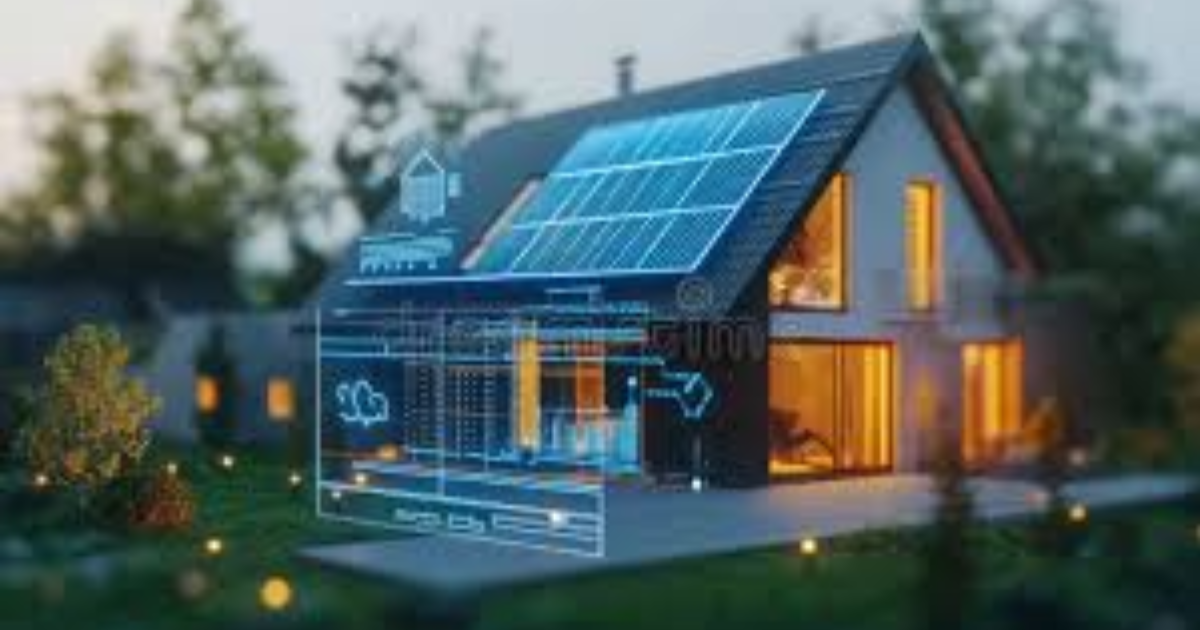
Industries are adopting eco-technology to boost productivity while reducing environmental impact.
Automation Systems
AI-powered automation reduces errors and optimizes energy use in manufacturing. Smart factories can reduce energy consumption by 20-30% through intelligent monitoring and control systems.
Energy Management Platforms
Real-time energy dashboards and smart meters help businesses track and reduce consumption. Companies using these systems report average energy savings of 10-15% annually.
Sustainable Manufacturing
Technologies like 3D printing and electric-powered machinery minimize waste and emissions. BMW’s Leipzig plant, for example, runs entirely on wind power, eliminating 15,000 tons of CO2 emissions yearly,
Key Benefits of Eco-Friendly Technology
- Cost Savings: Reduce energy bills by 20-50%
- Environmental Protection: Lower carbon emissions and waste
- Improved Health: Better air and water quality
- Enhanced Efficiency: Smarter resource management
- Future-Proofing: Prepare for evolving regulations
- Competitive Advantage: Meet growing consumer demand for sustainability
Real-World Success Story
Smart Home Transformation
A California family installed solar panels, LED lighting, and smart home automation:
- 45% reduction in electricity bills
- 30% less water usage
- Net-zero energy status within 2 years
- Improved indoor air quality and comfort
Practical Implementation Tips
Start Small
Begin with LED lighting and smart power strips for immediate 10-15% energy savings.
Choose Certified Products
Look for Energy Star, WaterSense, or LEED certifications to ensure efficiency standards.
Monitor Consumption
Use smart meters and energy monitors to identify waste patterns
Think Long-Term
Consider solar panels or geothermal systems for substantial long-term savings and independence.
Regular Maintenance
Keep systems optimized through regular checks and updates.
Frequently Asked Questions
What’s the most cost-effective eco-friendly upgrade?
LED lighting offers the fastest return on investment, typically paying for itself within 6-12 months through energy savings.
How much can smart thermostats save?
Homeowners save 10-12% on heating and 15% on cooling costs annually with proper use of smart thermostats.
Are eco-friendly technologies reliable?
Modern green technologies often outperform conventional options in both durability and efficiency, with most offering strong warranties and support.
Can small businesses afford green technology?
Yes—many solutions like LED lighting and smart power management have payback periods under 2 years, with tax incentives often available.
What’s the environmental impact of manufacturing these technologies?
While manufacturing has some impact, most eco-friendly technologies offset their carbon footprint within 1-3 years of operation.
Conclusion
Efficient and eco-friendly technology offers practical solutions for reducing costs while protecting our planet. From simple upgrades like LED lighting to comprehensive systems like solar power, these innovations make sustainable living accessible and effective.
Ready to go green?
Start with our Eco-Living Basics Guide or explore expert resources at UN Environment Programme.
One thought on “Use of Efficient and Eco-Friendly Technology: A Complete Guide”