

Introduction: Redefining Sustainable Living for 2026
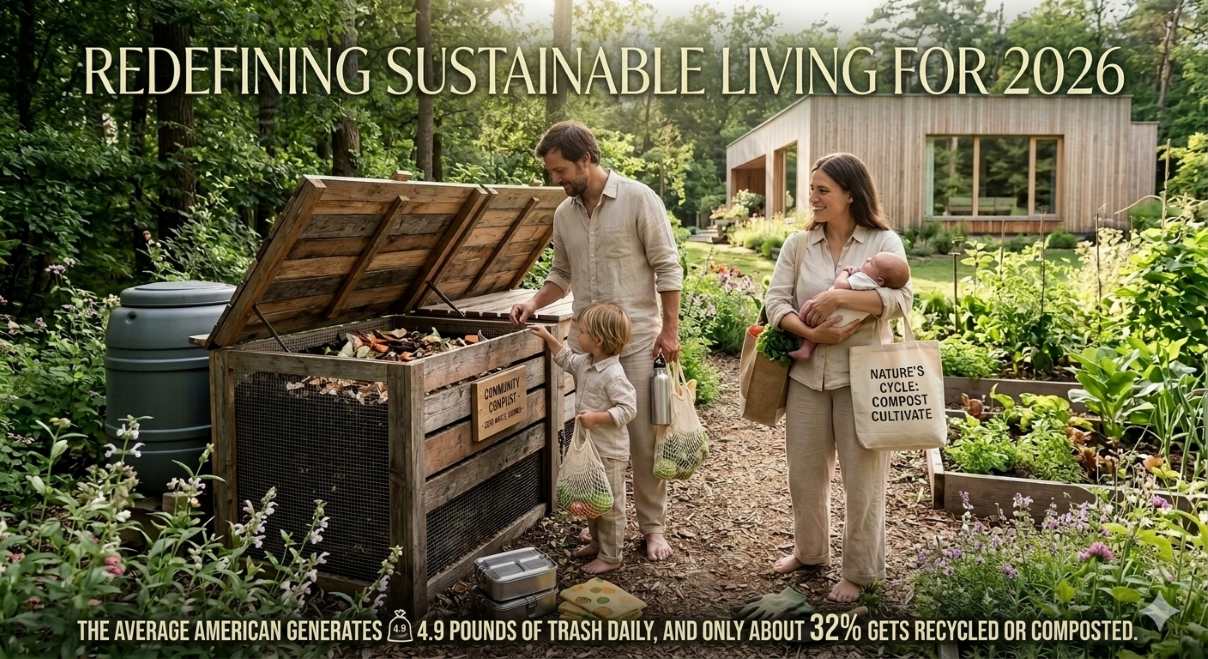
Sustainable living zero waste is more than a trend—it is a necessary evolution in how Americans interact with their environment. The statistics are sobering. The average American generates 4.9 pounds of trash daily , and only about 32% of it gets recycled or composted.
However, this isn’t about guilt or perfection. It is about progress. Every reusable bag, every composted apple core, and every refused plastic straw adds up to meaningful change.
This guide will walk you through practical, achievable steps to embrace sustainable living zero waste in your American home, no matter where you live or what your current habits look like.
For foundational knowledge, explore our comprehensiveZero Waste Living Definition (2026 to 2027): Complete Beginner’s Guide to a Waste-Free Life before diving deeper.
The Mindset Shift: From Consumer to Steward
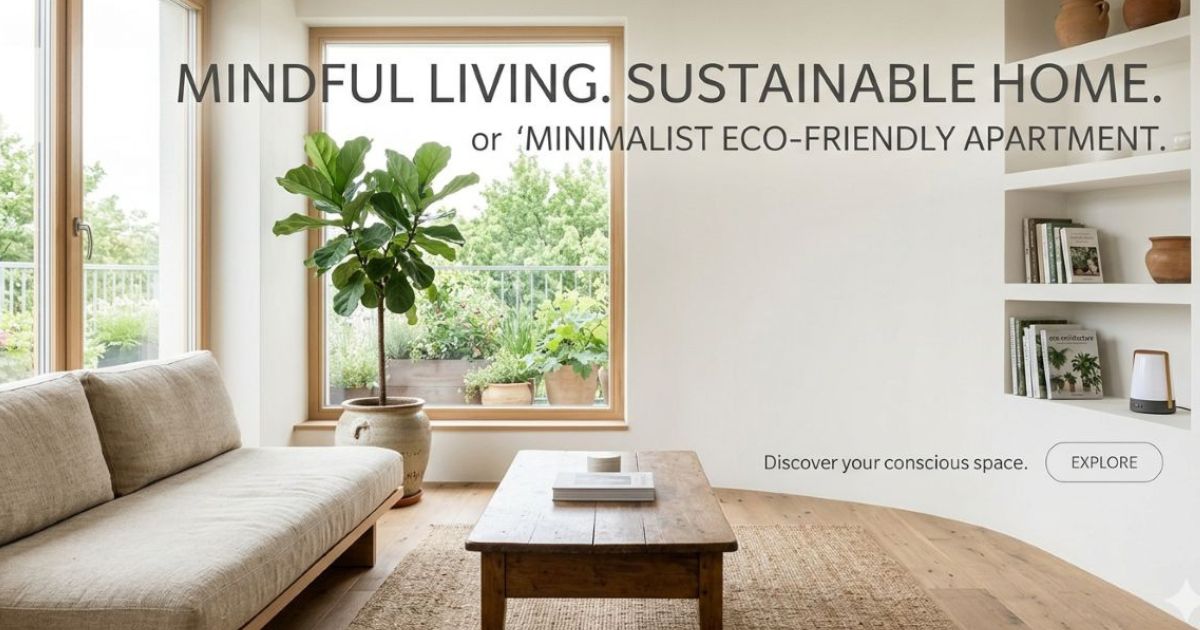
Before changing habits, change how you think about consumption. Sustainable living zero waste starts with recognizing that every purchase is a vote for the kind of world you want to live in.
Progress Over Perfection
The biggest obstacle for most Americans is the belief that zero waste requires perfection. It doesn’t. If you forget your reusable bags, try again next time. If you accidentally buy something in plastic, don’t let it derail your entire journey.
Sonika Bhasin, a mother who has lived without garbage bins for five years, puts it beautifully: “I never intended to change the world, but it turns out that simple choices—made every day—can start a chain reaction” .
Understanding Your “Why”
When you understand why your actions matter, motivation comes naturally. Food waste in landfills decomposes without oxygen, releasing methane—a gas 80 times more powerful than carbon dioxide
Similarly, many conventional products contain chemicals that harm both your family’s health and water systems Consequently, natural alternatives protect everyone.
Practical Steps for Sustainable Living Zero Waste
Transitioning your home doesn’t happen overnight. Instead, focus on one room at a time to avoid feeling overwhelmed.
Kitchen – The Heart of Sustainable Living
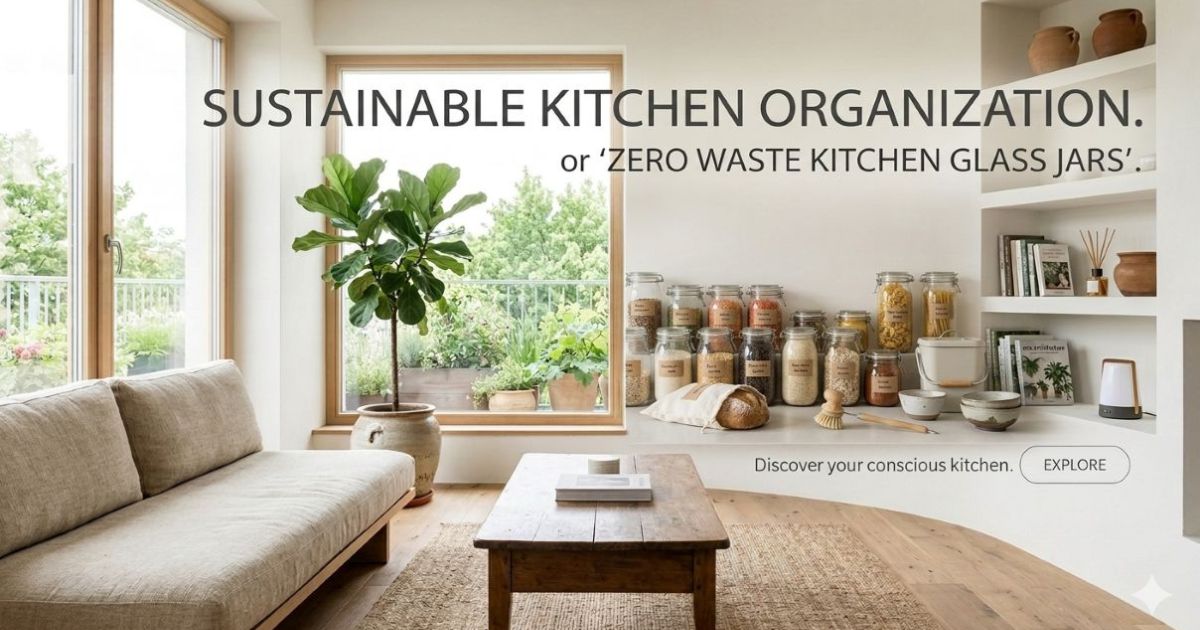
The kitchen generates more waste than any other room. Start here for maximum impact:
| Action | How to Implement | Annual Impact |
| Meal planning | Plan weekly menus; shop with a list | Saves $1,500 on food waste |
| Bulk shopping | Bring glass jars to bulk bins | Eliminates packaging waste |
| Composting | Countertop bin + backyard or worm system | Cuts trash by 30% |
| Reusable storage | Glass containers, beeswax wraps, silicone covers | Replaces endless plastic |
| Cloth alternatives | Swedish dishcloths instead of paper towels | Saves $80-100 |
According to the EPA, food scraps and yard waste make up more than 30% of what Americans throw away . Composting alone dramatically reduces your footprint.
Bathroom – Hidden Opportunities
Bathrooms are filled with hidden plastics and chemicals. These swaps make a difference:
- Shampoo and conditioner bars from Ethique or HiBar (each replaces 2-3 plastic bottles)
- Safety razors from Leaf Shave (last a lifetime; blades cost pennies)
- Bamboo toothbrushes from Brush with Bamboo (compostable handles)
- Refillable deodorants from Myro or Bite (plastic-free packaging)
- Bar soap instead of liquid soap in plastic pumps
The beauty industry produces 120 billion units of packaging annually, much of which is not recyclable . Choosing package-free options becomes an act of environmental protection.
Living Room and Beyond
Extend sustainable living zero waste to your entire home:
- Secondhand first – Make thrift stores your default for furniture and decor
- Repair before replacing – Learn basic sewing and electronics repair
- Borrow instead of buy – Use tool libraries for infrequently used items
- Digital declutter – Reduce energy use by unsubscribing from marketing emails
- Natural fibers – Choose organic cotton, linen, wool over synthetics
The Role of Community and Policy
Individual action is essential, but systemic change multiplies impact. Across America, communities are building infrastructure that makes sustainable living zero waste easier for everyone.
State-Level Progress
| State | Key Initiative | Impact |
| California | Extended Producer Responsibility (EPR) laws | Companies pay for packaging waste |
| Maine | First state EPR for packaging | Model for national policy |
| Oregon | Expanded bottle bill | More containers recycled |
| New York | Plastic bag ban | Billions of bags eliminated |
| Vermont | Universal recycling law | Standardized systems |
These policies shift responsibility from consumers to producers, creating systemic change that individual action alone cannot achieve.
Community Resources
Across the country, communities are creating resources that make sustainable living accessible:
- Tool libraries in dozens of cities (borrow, don’t buy)
- Repair cafés offering free repair events
- Buy Nothing groups on Facebook (free items, no waste)
- Community gardens and composting programs
- Refill stations in grocery stores and co-ops
According to the Natural Resources Defense Council, community-based solutions are essential for scaling sustainability
Real-Life Example: The Martinez Family Transformation
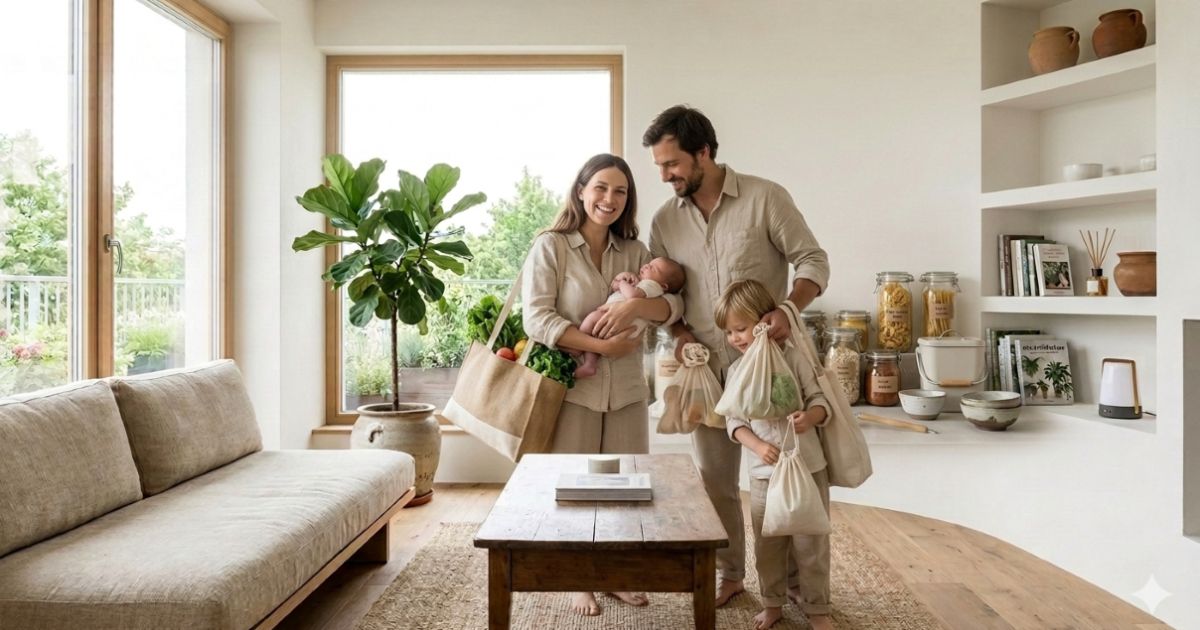
The Martinez family of four from Austin, Texas, started their sustainable living journey with one simple goal: reduce their trash by half.
Their first-year results:
- Trash output decreased by 65%
- Annual savings reached $1,200
- Composting eliminated 500 pounds of food waste
- Plastic consumption dropped by 80%
Maria Martinez shares, “We started for the environment, but we stayed for the savings and the peace of mind. Our home feels lighter, and we feel more connected to our community through the local tool library and farmers market.”
Sustainable Living on a Budget
A common myth is that sustainable living zero waste costs more. In reality, it often saves significant money.
| Myth | Reality |
| “Eco-friendly products are expensive” | Quality durables cost less over time |
| “Organic food costs too much” | Reducing food waste saves $1,500/year |
| “I can’t afford a compost bin” | DIY bins cost nothing with scrap wood |
| “Secondhand is for poor people” | Thrifting saves 50-90% off retail |
| “Reusables are a luxury” | They pay for themselves in months |
The key is shifting from disposable thinking to investment thinking. A $30 safety razor seems expensive until you realize it replaces $200 worth of disposables over five years.
Frequently Asked Questions
What is the difference between zero waste and sustainable living?
Sustainable living is the broader philosophy of reducing environmental impact across all areas of life. Zero waste is a specific practice within that philosophy focused on eliminating trash. Think of zero waste as one tool in your sustainable living toolkit.
H3: Can I practice sustainable living in an apartment?
Absolutely. Many sustainable practices work perfectly in small spaces:
- Countertop composting with a small bin or electric composter
- Window herb gardens for fresh herbs without packaging
- Bulk shopping with jars that store compactly
- Digital subscriptions instead of physical items
- Community resources like tool libraries and sharing programs
How do I handle family members who don’t participate?
Lead by example quietly. Make your own changes, enjoy the benefits, and let results speak for themselves. Involve children by making it fun—let them pick out their own reusable water bottle or help with composting. Often, family members come around when they see money saved or enjoy homemade treats.
What are the most impactful changes I can make?
According to sustainability experts, these actions have the highest impact:
- Eliminate food waste through meal planning and composting
- Stop buying bottled water – use a reusable bottle
- Reduce meat consumption – even one meatless day per week helps
- Choose secondhand first for clothing and household items
- Refuse single-use plastics – bags, straws, utensils, cups
How do I find sustainable resources in my community?
Start with online searches for “refill store near me,” “tool library [your city],” or “farmers market [your city].” Join local Buy Nothing or sustainability groups on Facebook. Check your city’s sustainability website for programs and incentives.
Conclusion: Your Sustainable Future Starts Today
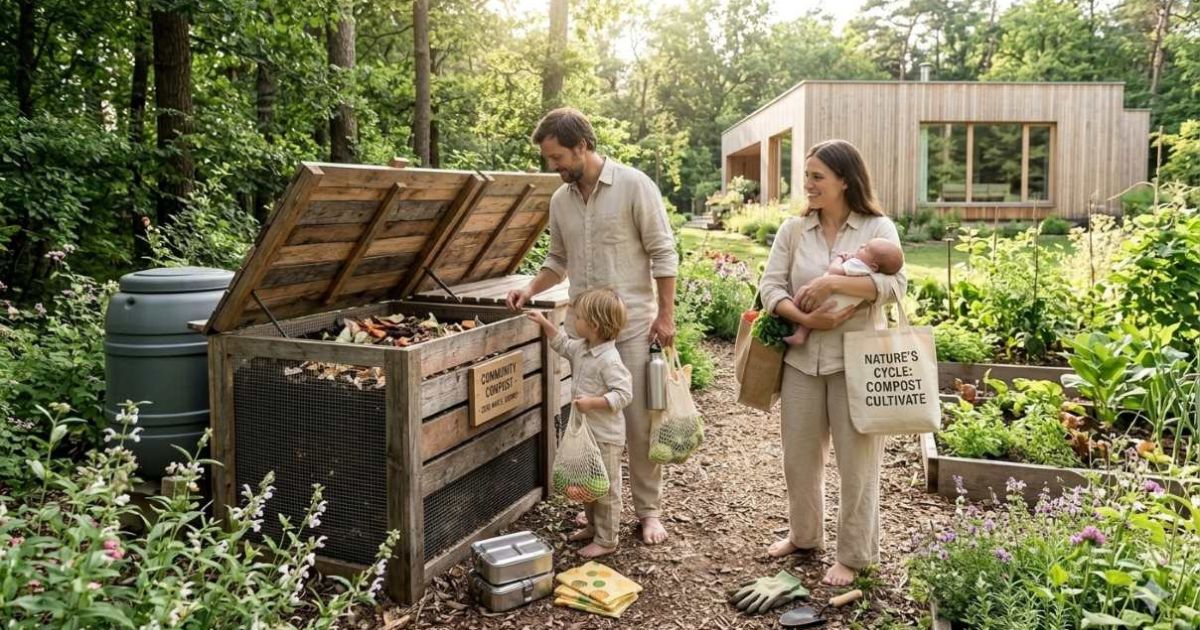
Sustainable living zero waste is not about deprivation—it is about freedom. Freedom from constant consumption, from clutter, from the guilt of waste, and from dependence on disposable systems.
The research confirms what practitioners have always known: living with less stuff and less waste leads to more peace, more savings, and more connection to what truly matters.
Remember these key principles:
- Start small – one swap at a time
- Progress over perfection – every action counts
- Community multiplies impact – connect with others
- Policy matters – vote and advocate for change
- Enjoy the journey – sustainable living should feel good
Start today by identifying one disposable item you use regularly and finding a reusable alternative. Notice how that one small choice ripples outward, inspiring others and protecting the world we all share.
For more guidance, revisit our , Zero Waste Living Definition (2026 to 2027): Complete Beginner’s Guide to a Waste-Free Life whenever you need inspiration.
External Resource: For authoritative guidance on sustainable living, explore the Environmental Protection Agency’s sustainable materials management resources.
Your sustainable future is built one choice at a time. Choose wisely, live fully, and enjoy the freedom of a lighter footprint.