

Introduction — Why Solar Energy is the Smartest Home Investment of 2026 to 2029

Imagine a device that turns rooftop sunlight into pure savings. That is solar energy in its simplest form: a quiet, maintenance-free power plant that reduces your reliance on the grid. For the average U.S. homeowner, electricity rates have climbed over 4% annually for the last decade. Solar energy is the most effective tool to fight back against these rising costs.
However, solar is no longer just about “going green.” It is about hard financial logic. In 2026 to 2029, the combination of high-efficiency panels, affordable battery storage, and the 30% federal tax credit makes solar a compelling investment. When you layer solar on top of a home that is already optimized for energy efficiency, the financial returns accelerate even faster.
This guide will navigate you through every aspect of the solar journey. We will cover the technology, the installation process, the financial landscape, and how to integrate solar with smart home upgrades. By the end, you will have a clear roadmap to energy independence and a lower carbon footprint.
The Core Technology: How Solar Energy Systems Work
To make an informed purchase, you need to understand the basic mechanics. A solar energy system is an integrated ecosystem of components working together to power your lights, appliances, and electric vehicle.
From Sunlight to Socket: The Photovoltaic Effect
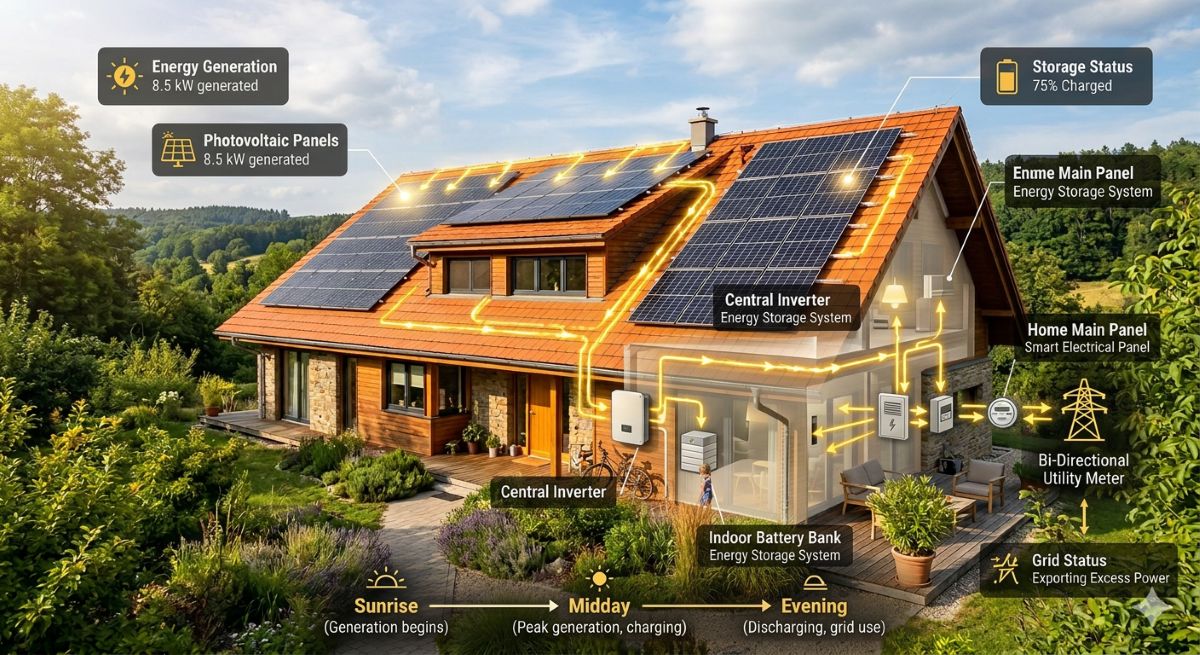
The magic begins with the Photovoltaic (PV) effect. When particles of light (photons) hit a solar cell, they knock electrons loose from their atoms. This flow of electrons generates Direct Current (DC) electricity.
Since your home runs on Alternating Current (AC), the DC electricity flows to an inverter. The inverter transforms it into grid-compatible AC power, which then travels to your electrical panel to power your home. Any excess energy is either sent to the grid (via net metering) or stored in a battery for later use.
Deep Dive into Solar Panel Technologies
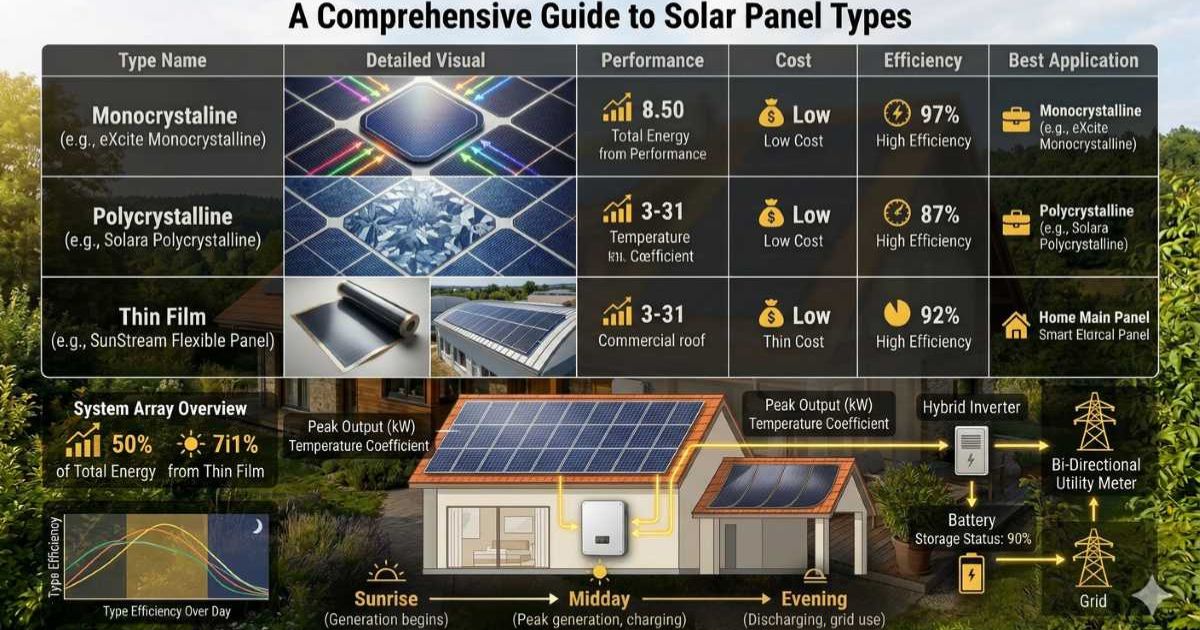
Not all solar panels are created equal. Choosing the right type is crucial for maximizing output based on your budget and roof space.
- Monocrystalline Solar Panels:
- Efficiency: High (18%–23%). They are the most efficient on the market.
- Aesthetic: Sleek, uniform black look.
- Best For: Homes with limited roof space where maximum power per square foot is needed. They perform better in high heat than other types.
- Polycrystalline Solar Panels:
- Efficiency: Medium (15%–18%).
- Aesthetic: Blue, speckled appearance.
- Best For: Homeowners with ample roof space looking for a lower upfront cost while still getting solid performance.
- Thin-Film Solar Panels:
- Efficiency: Low (10%–13%).
- Flexibility: Lightweight and flexible, can be integrated into building materials.
- Best For: Large commercial buildings or unique architectural applications where traditional racking isn’t feasible. Not typically recommended for standard residential roofs due to space requirements.
Related Concepts: Balance of System Components
The panels are just the visible part of the system. The “Balance of System” (BOS) includes the critical hardware that ensures safety and performance.
- Solar Inverters: The brain of the operation.
- String Inverters: Cost-effective for simple, unshaded roofs. All panels are connected in a “string,” and performance is limited by the lowest-performing panel.
- Microinverters: Installed on each panel. This allows each panel to operate independently, ideal for roofs with some shading or complex angles. They also provide panel-level monitoring.
- Hybrid Inverters: The modern choice. They manage both solar panels and battery storage in one unit, simplifying future battery additions.
- Racking and Mounting Systems:
- Roof Mounts: Flush-mounted to your roof rafters. Proper flashing is essential to prevent leaks.
- Ground Mounts: Installed on the ground, allowing for optimal tilt and angle adjustments. Easier to clean and maintain but requires land space.
- Tracking Mounts: A premium option that tilts panels to follow the sun, increasing energy yield by 25%–35%, but adding significant cost and moving parts that may require maintenance.
The Tangible Benefits of Solar Energy
Switching to solar is a decision that impacts your wallet, your home’s value, and the environment. Here is a closer look at the multifaceted benefits.
- Radically Lower Electricity Bills: By generating your own power, you dramatically reduce the amount you purchase from the utility. With a system sized correctly for your consumption, you can eliminate electric bills entirely for most of the year.
- Energy Independence and Security: Paired with a battery, you become immune to grid outages. While your neighbors sit in the dark, your lights stay on, your refrigerator runs, and your internet stays connected. This “resilience” is becoming an increasingly valuable benefit as extreme weather events become more common.
- Environmental Stewardship: The average residential solar system offsets roughly 100,000 lbs. of carbon dioxide over 20 years. That is the equivalent of planting 2,500 trees.
- Increased Property Value: Numerous studies, including those by Zillow and the National Renewable Energy Laboratory (NREL), show that homes with solar panels sell for a premium—often 4% to 6% more than comparable non-solar homes—and sell faster.
- Shield Against Inflation: When you install solar, you lock in a large portion of your electricity costs. You are effectively hedging against future utility rate hikes, which have historically outpaced general inflation.
Maximizing Savings with Solar Batteries
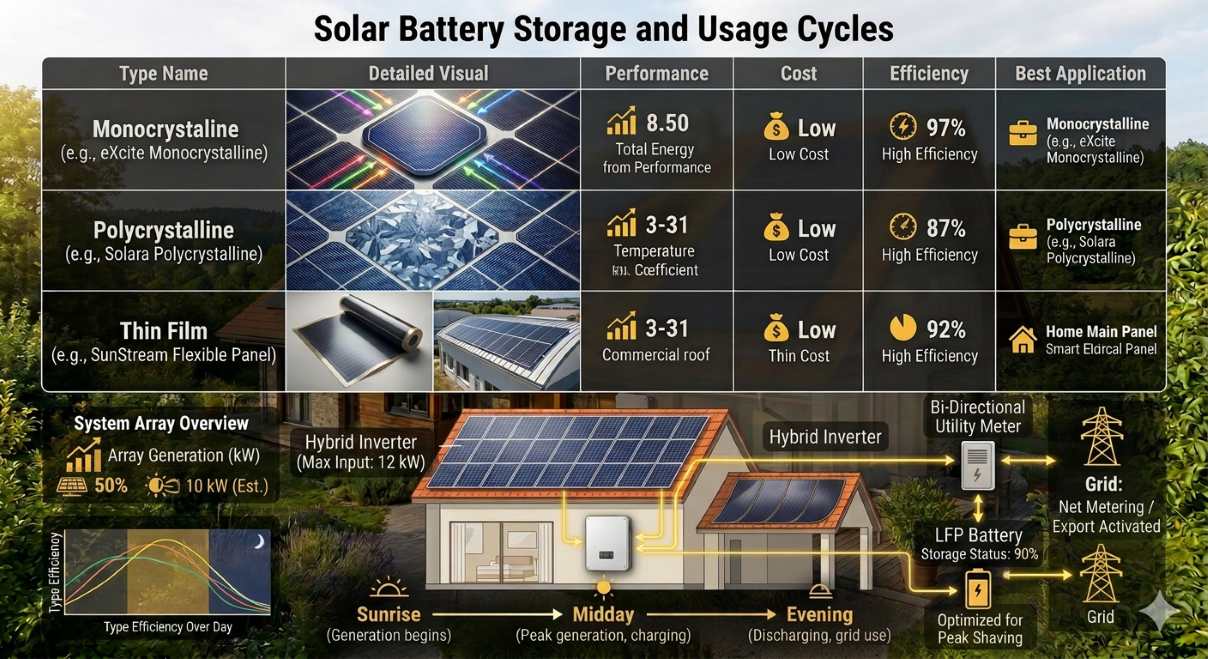
Solar batteries have transitioned from a niche luxury to a core component of a modern energy system. They store excess solar energy produced during the day for use at night or during a power outage.
Leading Battery Technologies in 2022 to 2029
- Tesla Powerwall 3: An all-in-one AC-coupled system with high continuous power output, capable of backing up your entire home. Its sleek design and seamless integration with the Tesla app make it a top choice.
- Enphase IQ Battery 5P: A modular, microinverter-based system. It is exceptionally safe, reliable, and scalable. You can start with one unit and easily add more as your energy needs grow.
- LG Chem RESU Prime: Known for its compact size, high energy density, and proven reliability. It works exceptionally well with hybrid inverters for new installations.
- FranklinWH aPower: A complete home energy management system that offers whole-home backup and integrates with generators, offering unparalleled control.
Related Concepts: Energy Arbitrage and Whole-Home Backup
- Time-of-Use (TOU) Arbitrage: Utilities often charge more for electricity during peak hours (late afternoon/evening). A battery allows you to store cheap solar energy during the day and use it during expensive peak times, maximizing your savings.
- Whole-Home vs. Partial Backup:
- Partial Backup: You designate critical loads (fridge, lights, outlets) to run during an outage. This requires a smaller, less expensive battery.
- Whole-Home Backup: The battery can power everything in your house, including AC units and well pumps. This requires a larger, more powerful battery and is the ultimate in energy independence.
- Grid Services: In some states, you can enroll your battery in programs that allow the utility to draw a small amount of power from it during times of grid stress, for which you receive annual compensation.
Solar ROI: A Detailed Financial Breakdown
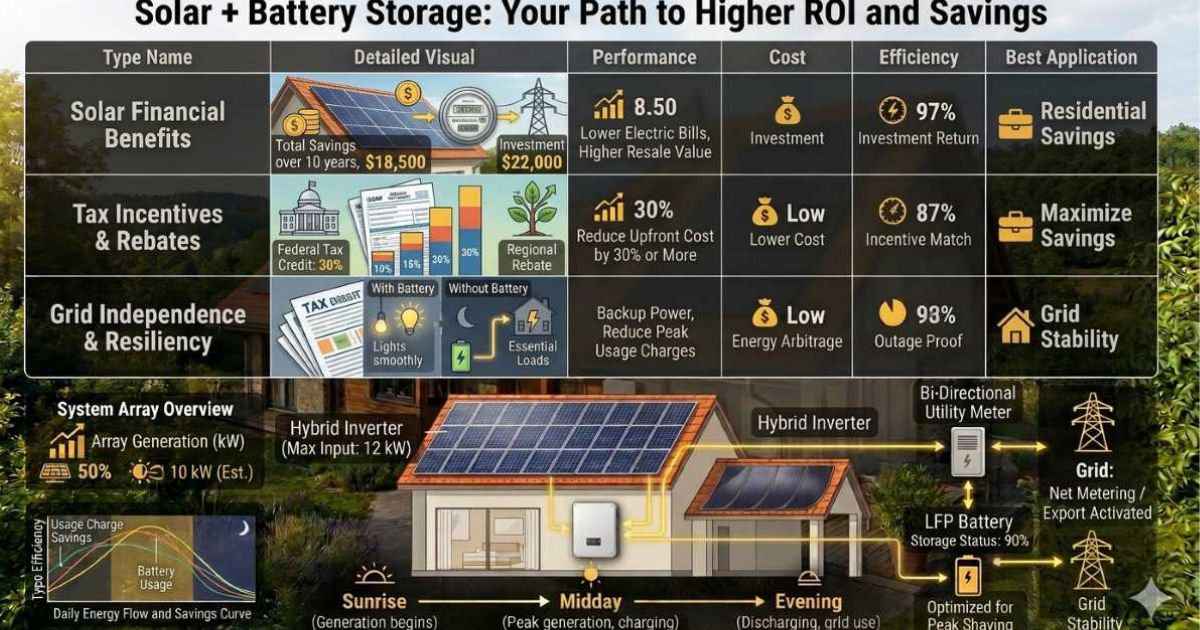
Understanding the return on investment (ROI) is the most important part of the solar journey. Let’s break down the costs and payback.
The Core Financial Components:
- System Cost: The price of panels, inverters, batteries, and installation. The national average for a 7kW system in 2026 is between $18,000 and $25,000 before incentives.
- Federal Tax Credit (Residential Clean Energy Credit): The Inflation Reduction Act provides a 30% tax credit on the total system cost with no cap. This is a dollar-for-dollar reduction of your federal income tax liability.
- State and Local Incentives: These vary wildly but can significantly improve ROI.
- Net Energy Metering (NEM): Your utility credits you for the excess power you send to the grid. This is the most valuable ongoing incentive.
- Solar Renewable Energy Certificates (SRECs): In some states, you earn certificates for every megawatt-hour your system produces, which you can sell to utilities for profit.
- Property Tax Exemption: In most states, the added home value from solar is exempt from property tax assessments.
- Sales Tax Exemption: Many states exempt solar equipment from sales tax, saving you 4%–10% upfront.
Case Example: A Realistic Solar Payback Scenario
Let’s model a 7.6 kW system for a family home in New Jersey, a state with good solar incentives.
- Gross System Cost: $22,000
- Federal Tax Credit (30%): -$6,600
- Net System Cost After Federal Credit: $15,400
- Estimated Annual Electricity Bill Savings: $1,500
- Estimated Annual SREC Income: $300
Total Annual Financial Benefit: $1,800
Simple Payback Period: $15,400 / $1,800 = 8.5 Years
Since solar panels are warrantied for 25 years and often last 30+, this homeowner will enjoy 16+ years of essentially free electricity, amounting to total lifetime savings of over $50,000.
A Step-by-Step Guide to Installing Solar Panels
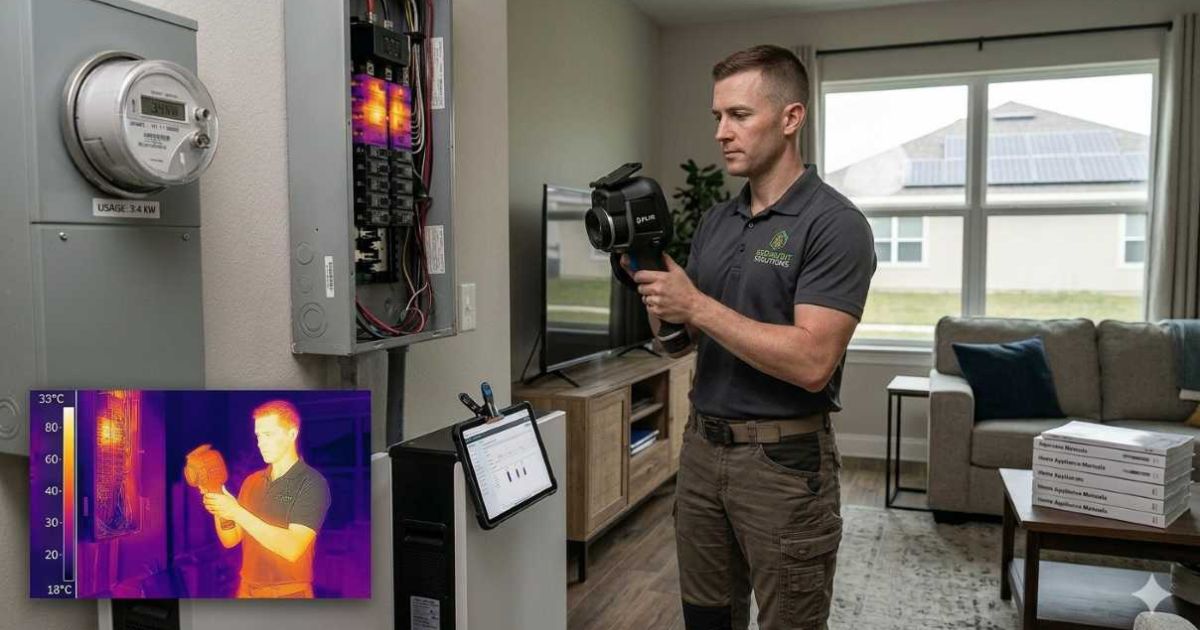
The path to installation involves several key steps. Following this roadmap ensures a smooth process.
- Conduct a Home Energy Audit: This is the critical first step. Before sizing a solar system, you must understand your consumption. An energy audit (using a blower door test and thermal imaging) will identify air leaks and insulation gaps. Reducing your home’s energy load first means you can install a smaller, cheaper solar system.
- Research and Get Multiple Quotes: Contact at least three different solar installers. Ensure they are licensed, insured, and have NABCEP (North American Board of Certified Energy Practitioners) certified staff on-site.
- Site Assessment and Design: The installer will visit your home to inspect your roof’s condition, orientation, and shade patterns. They will use tools like satellite imaging and solar pathfinders to create a custom system design and production estimate.
- Permitting and Interconnection: Your installer will handle the permits required by your local city or county. They will also file an interconnection agreement with your utility company, which is the legal document allowing you to connect to the grid.
- Installation Day: A professional crew will install the racking, mount the panels, wire the system, and set up the inverter and battery. For a standard home, this takes 1 to 3 days.
- Inspection and PTO: A local building inspector will sign off on the work. Finally, the utility grants “Permission to Operate” (PTO), at which point you can legally turn your system on and start generating savings.
How Solar Energy Supercharges Energy Efficiency
Solar panels and energy efficiency are a symbiotic pair. They work together to create a home that is both low-consumption and self-generating.
- The Efficiency-First Mindset: Think of energy efficiency as dieting, and solar panels as a high-paying job. If you are still eating 5,000 calories a day (wasting energy), even a high salary (solar) won’t save you money. You must diet first.
- Synergistic Upgrades:
- Insulation + Solar: A well-insulated home requires less heating and cooling. This drastically reduces the size (and cost) of the solar system needed to cover your entire bill.
- Heat Pumps + Solar: Replacing a gas furnace with an electric heat pump allows you to heat your home with clean, “free” solar energy, eliminating your gas bill entirely.
- Smart Panels + Solar: An electrical panel like the Span.io or Lumin gives you circuit-level control over your home. During a power outage, you can use an app to prioritize which circuits (e.g., fridge, internet) get power from your battery, extending your backup time.
- EV Chargers + Solar: Installing a Level 2 EV charger and pairing it with solar means you can power your car with sunlight. This is the ultimate in energy independence, allowing you to drive on “sunshine.”
Maintaining Your Solar Investment
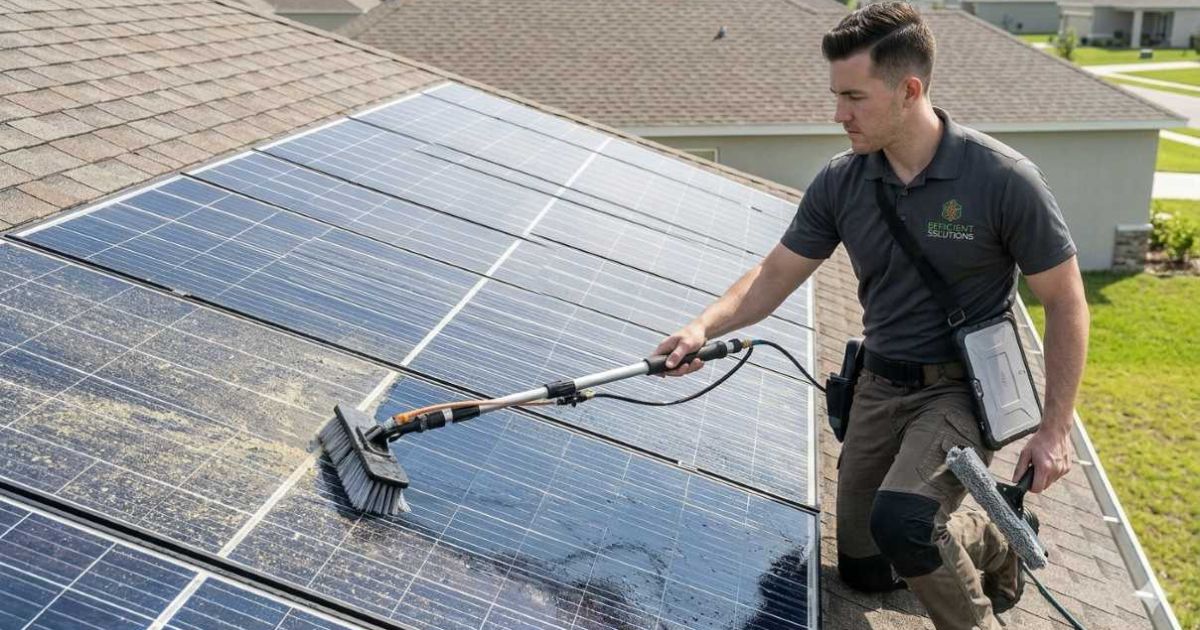
Solar systems are famously low-maintenance, but a little care goes a long way in ensuring peak performance for decades.
- Panel Cleaning: In most regions, rain is enough to keep panels clean. However, in dusty areas or places with heavy bird populations, an annual cleaning can boost production by 3%–5%. Use a hose with a soft brush and deionized water; avoid harsh chemicals.
- Monitoring System Performance: Your inverter or battery app provides real-time data. Get in the habit of checking it monthly to ensure production matches expectations. A sudden drop could indicate a panel issue, shading from new tree growth, or an inverter fault.
- Inspections: A professional inspection every 2–3 years is wise. They will check all electrical connections, verify grounding, and ensure the racking is still securely fastened to your roof.
The Future of Home Solar Energy
The solar industry is rapidly evolving. Here are key trends that will shape the market over the next five years.
- Bifacial Solar Panels: These panels capture sunlight on both the front and back sides. For ground-mounted systems, they can produce significantly more energy by capturing light reflected off the ground.
- Solar Roof Tiles: Products like the Tesla Solar Roof are becoming more affordable and efficient. They offer a sleek, integrated look for homeowners who prioritize aesthetics but still want to generate power.
- Virtual Power Plants (VPPs): Utilities are increasingly creating VPPs, where thousands of home batteries are aggregated to act as a single power plant. Homeowners in a VPP get paid for allowing the utility to draw a tiny bit of power from their battery during peak demand, creating a new revenue stream.
- Higher Efficiency Panels: We are seeing commercial panels approach 24% efficiency, meaning you can generate even more power from the same roof space.
Frequently Asked Questions About Solar Energy
Do solar panels work during a power outage?
Generally, no, unless you have a battery. Standard grid-tied solar systems are required to shut down during an outage to protect utility workers. With a battery and the right inverter, you can “island” and keep your power on.
What is the actual lifespan of solar panels?
Most panels come with a performance warranty of 25–30 years, guaranteeing they will still produce at least 80%–85% of their original power. They often continue to produce power well beyond that warranty period.
How much can I save by going solar?
This depends on your electricity rates and sun exposure. However, a typical homeowner can save between $20,000 and $60,000 over the 25-year lifespan of their system, depending on local electricity costs.
Will solar work on my flat roof or north-facing roof?
Yes. Panels on flat roofs can be tilted on racks to face the optimal direction. Even north-facing roofs can work, though they will produce less energy. Your installer can model the output to see if it’s still financially viable.
What happens if I move?
Solar panels are considered a permanent home improvement and generally increase your home’s resale value. You can either include the remaining cost of the system in the sale price or, in some cases, transfer a solar lease to the new homeowner.
Conclusion — Your Path to an Energy-Efficient, Solar-Powered Home
Solar energy is more than just a way to lower your electric bill. It is a strategic investment in your financial future, your home’s value, and a sustainable lifestyle. By understanding the nuances of panel types, battery technology, and the crucial role of federal and state incentives, you are now equipped to make an intelligent decision.
Remember the golden rule: energy efficiency first, solar second. Begin your journey with a professional home energy audit. Seal the leaks, add insulation, and upgrade to efficient appliances. Then, build a solar and battery system designed to power this new, leaner home.
You will not only slash your utility bills to near zero but also gain the priceless benefit of energy independence. The sun is an inexhaustible resource—it’s time to put it to work for you. Start your journey with a professional Home Energy Audit.
For the latest on federal incentives, visit the Database of State Incentives for Renewables & Efficiency (DSIRE).