

Introduction
Have you ever wondered why some reusable bottles become cultural phenomena while others gather dust? The answer often lies in brand reputation. Today, choosing a reusable bottle isn’t just about staying hydrated—it’s a statement about who you are and what you believe in.
Brand reputation matters enormously in this space. In fact, it can determine whether a bottle becomes a daily companion or a forgotten giveaway. As consumers grow more conscious about sustainability, they scrutinize brands more carefully than ever before. Therefore, understanding why reputation matters helps both consumers make better choices and businesses build stronger connections.
Why Is Brand Reputation Important?
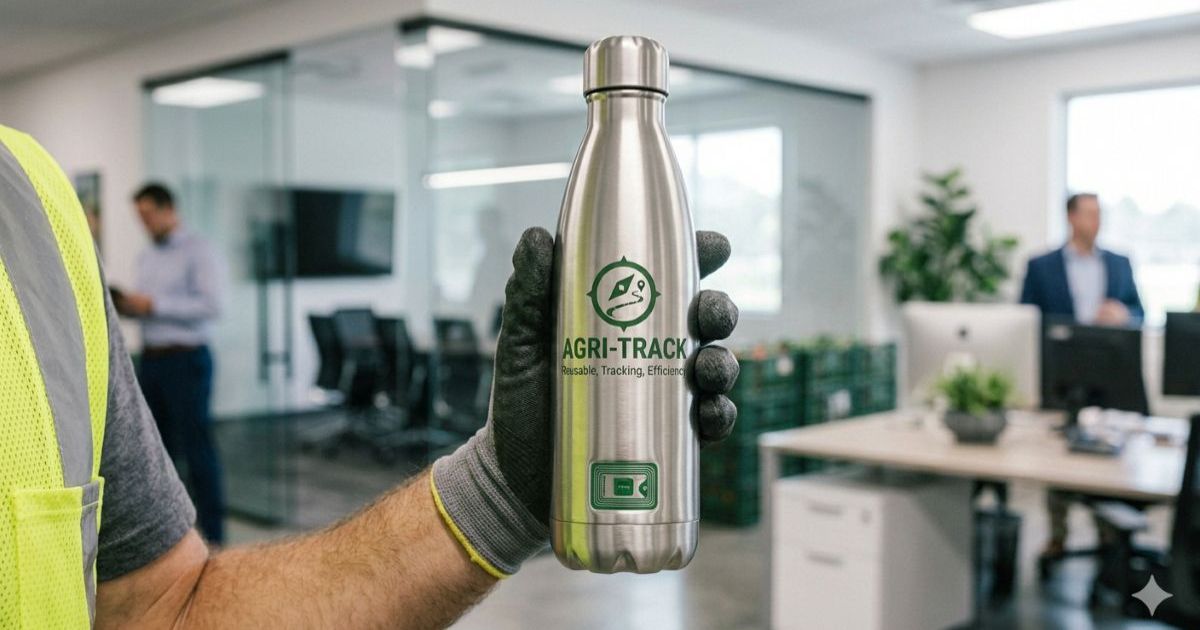
Let’s start with the fundamental question. Brand reputation represents the accumulated trust, goodwill, and credibility that a company builds over time . Think of it as a bank account of trust—every positive interaction makes a deposit, while every misstep makes a withdrawal.
According to reputation experts, a company’s brand can represent about one-third of its total market value . That’s staggering when you consider this includes everything from product design to customer service to sustainability claims.
Furthermore, reputation acts as a shield during difficult times. When a company with strong reputation faces challenges, stakeholders give them the benefit of the doubt . Conversely, brands with weak reputation face immediate skepticism and criticism.
For reusable bottles specifically, reputation signals quality, durability, and genuine commitment to environmental values. After all, a bottle that claims to be eco-friendly but falls apart after months sends a powerful negative message about the brand behind it.
Why Are Sustainable Brands Important?
The short answer is that consumers now demand them. According to recent research, approximately 61.5% of consumers actively seek sustainability in their purchases . Moreover, this number jumps to 75% among millennial shoppers .
Sustainable brands matter for several compelling reasons:
First, they address the plastic pollution crisis directly. The world produces an estimated 450 million tons of plastic waste annually . Reusable bottles from responsible brands help combat this staggering figure.
Second, sustainable brands often lead innovation. Companies like Ocean Bottle don’t just sell products—they fund plastic collection projects and support coastal communities . Each Ocean Bottle sold funds collection equivalent to 1,000 plastic bottles in weight.
Third, sustainable brands attract better talent and investment. BlackRock’s analysis shows ESG-based portfolios outperform conventional investments by approximately 4.9% annually . Therefore, sustainability isn’t just ethical—it’s economically smart.
Why Does It Suggest We Should Use Reusable Bottles?
The evidence for reusable bottles grows more compelling each year. Here’s why experts and reputable brands advocate for them.
Environmental Impact: Single-use plastics are designed to last forever but used for only moments before discard . Approximately 40% of all plastics produced go into packaging and single-use items . By contrast, reusable bottles eliminate this waste stream entirely.
Health Considerations: Microplastics now contaminate our air, food, and drinking water . The chemicals associated with plastics have been found in human blood, urine, and tissue . Stainless steel and glass reusable bottles eliminate this exposure.
Economic Sense: While disposable cups seem cheap upfront, their costs accumulate. A thoughtfully designed reusable cup offers repeated visibility and value over years . For businesses, branded reusable bottles deliver impressions long after disposable alternatives would be forgotten .
Climate Impact: Plastic contributes to climate change at every lifecycle stage . If plastic were a country, it would rank as the fourth-largest greenhouse gas emitter globally .
Why Is Brand Representation Important?
Brand representation goes far beyond logos and color schemes. It encompasses how a brand appears, acts, and communicates across every touchpoint .
Strong brand representation builds what experts call “reputation capital”—the accumulated trust that allows organizations to survive crises and outperform competitors .
For reusable bottles, representation matters enormously because these products become personal accessories. People carry them to work, the gym, and social gatherings. Therefore, the bottle represents both the user and the brand simultaneously.
Consider the Xiaomi EV launch example. Instead of disposable cups, guests received custom-designed bright yellow stainless steel cups matching the new car . The result? Over 130 million views across social media and the cup becoming a trending topic . That’s the power of thoughtful brand representation.
Similarly, government agencies now use branded recycled bottles as onboarding gifts, fostering internal pride while reinforcing public sustainability commitments .
What Are the 5 C’s of Branding?
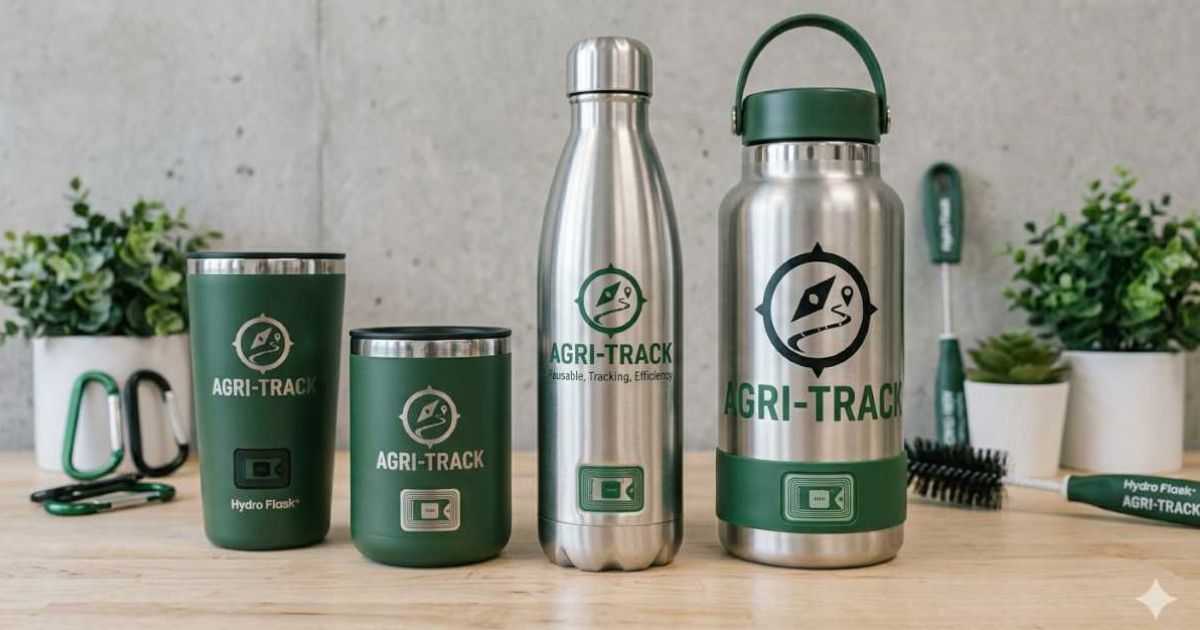
Understanding the 5 C’s framework helps explain why brand reputation matters so profoundly. According to brand development experts, these five elements form the foundation of strong branding .
Consistency
Consistency sits at the heart of branding. It builds familiarity and awareness while generating brand equity . When brands appear and act consistently, they become memorable, recognizable, and trusted.
Apple exemplifies this principle. From head office to retail staff, the company consistently demonstrates dedication to innovation, design, and simplicity .
For reusable bottles, consistency means delivering the same quality and experience every time. A brand that produces durable, beautiful bottles consistently earns customer loyalty.
Continuity
Brands build equity over time through constant reinforcement . The way brands communicate, the people they feature, and the places they appear all contribute to long-term brand building.
Continuity explains why established reusable bottle brands like Hydro Flask and Stanley command premium prices and fierce loyalty. They’ve maintained their brand presence consistently over years.
H3: • Communication
Effective communication requires deep understanding of target audiences . Consumers respond both rationally and emotionally in purchase decisions .
Ocean Bottle’s recent rebrand illustrates this principle perfectly. The company realized their impact messaging—emotional stories of people fighting plastic pollution—contrasted sharply with dry product communications . By unifying both, they created more powerful brand connections .
Cooperation
Distribution builds brands. Products need visibility, whether in stores or online . Strategic partnerships expand reach and credibility.
Reusable bottle brands increasingly partner with hotels, corporations, and events to expand their presence . Ocean Bottle’s B2B partnerships now represent their largest revenue stream .
Control
Like any valuable asset, brands need protection and governance . Best-in-class companies maintain detailed brand guidelines covering everything from advertising to social media presence .
Control ensures that every branded touchpoint—including reusable bottles—accurately represents the company’s values and promises.
Real-World Examples: Branded Bottles Driving Eco Impact
Let’s examine how brands successfully use reusable bottles to drive environmental impact while building reputation.
Case Study: Xiaomi’s Viral Success
When Xiaomi launched their new EV, they made a deliberate choice against disposable cups . Instead, guests received custom-designed bright yellow stainless steel cups matching the car’s color palette .
The cup became a sensation—a trending topic generating over 130 million views . More importantly, it reinforced Xiaomi’s commitment to sustainability and design-led thinking . Attendees kept these cups as souvenirs, providing repeated brand exposure long after the event .
Case Study: Ocean Bottle’s Mission-Driven Model
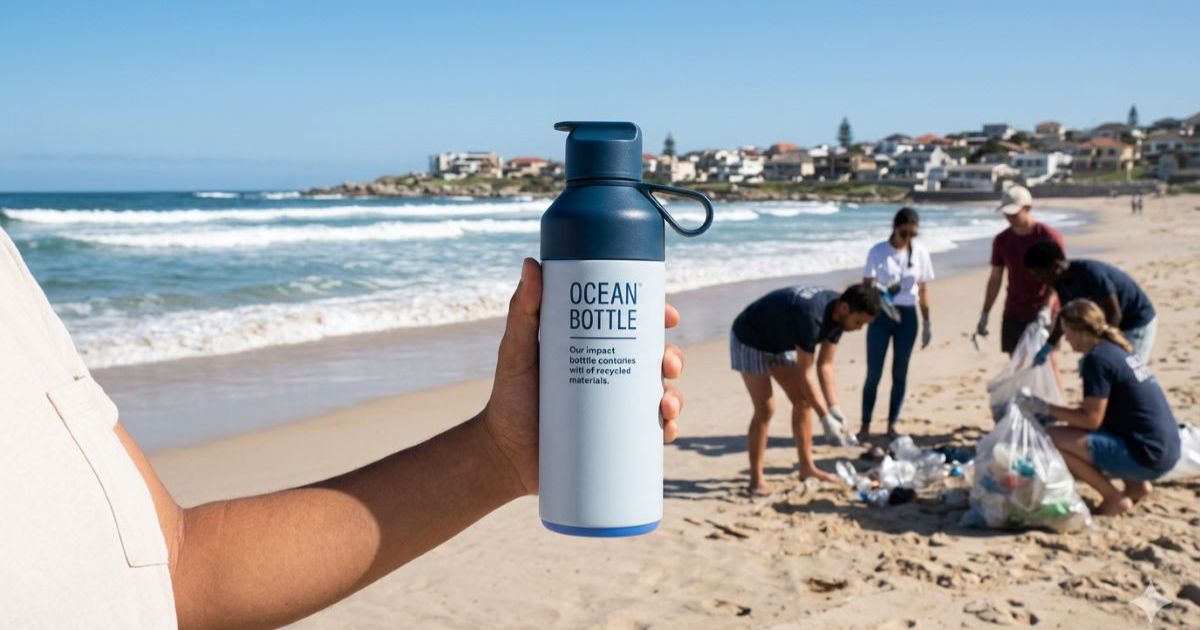
Ocean Bottle describes itself as a “social impact brand first, reusable water bottle brand second” . Each bottle sold funds collection of plastic equivalent to 1,000 bottles in weight, with 15% of revenue supporting this goal .
To date, the company has prevented over 20.9 million kilograms of plastic from reaching oceans . They’ve supported collection projects across Indonesia, the Philippines, India, Kenya, Brazil, and Egypt .
This mission-driven approach resonates with consumers. According to their research, 83% of Brits now use reusable bottles, and nearly half consider them essential daily items .
Case Study: Government Agencies Embracing Sustainability
A government client recently ordered 1,000 recycled aluminum bottles for an expo, targeting 2030 sustainability goals . The bottles were so well-received they became standard onboarding gifts for new staff .
Beyond branding, these bottles fostered internal pride and reinforced public commitments to carbon neutrality . That’s the power of purposeful merchandise.
The Hidden Costs of Ignoring Brand Reputation
What happens when companies neglect reputation while focusing only on brand visibility? The consequences can be severe.
Confusing notoriety with reputation is a costly mistake . Being well-known doesn’t automatically mean being trusted .
A single controversy can wipe billions off company value . Viral videos, angry social media users, and negative headlines create perfect storms that destroy trust built over years .
For reusable bottle brands, reputation risks include:
- Greenwashing accusations if sustainability claims prove exaggerated
- Quality failures that contradict durability promises
- Inconsistent messaging that confuses consumers about brand values
Approximately 42.5% of green claims may be misleading . Therefore, brands must provide verified proof of their sustainability credentials. Blockchain tracing, QR codes, and third-party certifications help build authentic trust .
How Consumers Evaluate Reusable Bottle Brands
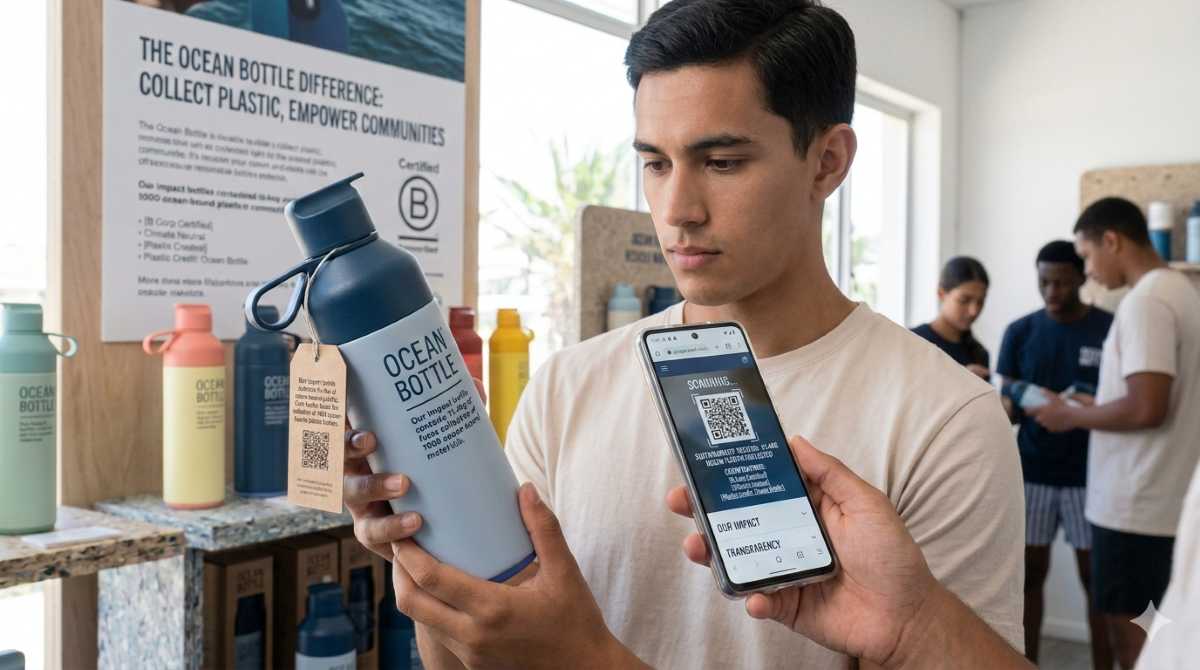
Understanding how consumers judge brands helps explain reputation’s importance.
First, consumers look for authenticity. Products with verified sustainability data witness 28.5% sales increases . Younger consumers, particularly Gen Z, research claims before purchasing .
Second, consumers value durability. A reusable bottle that lasts years reduces overall consumption and demonstrates brand quality.
Third, consumers respond to storytelling. Brands that inject storytelling into everything—not just impact campaigns but product communications—build stronger connections .
Fourth, consumers notice consistency. A company using disposable cups at events while selling reusable bottles sends contradictory messages .
Practical Tips for Choosing Reusable Bottles Based on Brand Reputation
When selecting reusable bottles—whether for personal use or corporate gifting—consider these reputation factors:
- Research brand credentials: Look for third-party certifications and verified sustainability claims.
- Evaluate longevity: Read reviews about durability and customer service experiences.
- Assess mission alignment: Does the brand’s overall behavior match their sustainability messaging?
- Check material quality: Stainless steel, glass, and recycled materials indicate genuine commitment.
- Consider end-of-life: What happens when the bottle eventually wears out?
For deeper exploration of sustainable living practices, read our guide on zero waste living principles .
For authoritative research on plastic pollution and reuse systems, explore Oceana’s resources .
Frequently Asked Questions
Why is brand reputation important for reusable bottles?
Brand reputation signals quality, durability, and genuine commitment to sustainability. Strong reputation builds trust, which translates into customer loyalty and resilience during challenges .
Why are sustainable brands important?
Sustainable brands address urgent environmental issues while meeting consumer demand. They attract investment, talent, and loyal customers who increasingly prioritize responsible consumption .
Why does it suggest we should use reusable bottles?
Reusable bottles eliminate single-use plastic waste, reduce microplastic exposure, save money long-term, and lower carbon emissions compared to disposable alternatives .
Why is brand representation important?
Brand representation shapes how consumers perceive and connect with companies. Strong representation builds recognition, trust, and emotional bonds that drive loyalty and advocacy .
What are the 5 C’s of branding?
The 5 C’s are Consistency, Continuity, Communication, Cooperation, and Control . Together, they form a framework for building and protecting strong brand equity.
Conclusion
The importance of brand reputation in choosing reusable bottles cannot be overstated. From the 5 C’s of branding to real-world examples like Xiaomi and Ocean Bottle, reputation determines whether a bottle becomes cherished or discarded.
For consumers, choosing reputable brands ensures you receive durable, safe, genuinely sustainable products. For businesses, investing in reputation through quality products and authentic sustainability messaging builds lasting value.
The brands that will thrive tomorrow are those building on solid reputational foundations today . They understand that a brand without reputation is empty noise, while reputation without brand remains hidden treasure .
Whether you’re shopping for yourself or selecting corporate gifts, let brand reputation guide your choice. Your bottle makes a statement—make sure it’s one you’re proud to carry.