

This isn’t one of my typical posts, but it’s something important to share. I’m not going to cover PR, marketing, customer success or project management. Instead, I’m going to talk about something far more personal – decisions and choices I’ve made to live a little bit of a greener and less wasteful life.
I’ve always been interested in sustainability but more from the business side of things. I even wrote my second dissertation on the topic.
Businesses indeed are those that can make the biggest impact on our planet, however, each individual can do little things as well to live greener and create less waste. That’s what I’ll share with you today – some greener changes that I’ve made to our household over the last few months.
But how did I decide to go greener?.Well, as much as I care about the environment and our planet, it all started when I got pregnant.
The Personal Catalyst for Change
Pregnancy brings lots of excitement but also lots of worries. You want to do things right. So I was reading about all the things I can do and I cannot do while pregnant.
One of the don’ts was cleaning. Why cleaning you’d ask? Not because of the physical effort but because we usually clean with supermarket-bought products. And those products are full of bad chemicals that affect your health and in my case, my baby’s health which I 100% did not want to risk.
So my husband ended up taking on all the cleaning (we used to do things together before). I had just bought some new products for the toilet so when he started cleaning and opened the products, he came to me asking for one of the COVID-19 masks because that particular product had an unbearable smell.
I looked at the packaging and saw all the crap it included inside, then I saw the danger sign on it and that was that. My choice was made. This had to change.
Educating Myself on a Greener Path
So I bought a wonderful book called Live Green (which I very much recommend) to educate myself on how we can make things better. I loved it so much that I bought its sequel on Clean Green.
Then I started watching a bunch of YouTube videos from Sustainably Vegan, Blue Ollis, and Sedona Christina about zero waste to learn how we can make greener decisions and create less waste. I also followed some Instagram accounts like ReduceWaste Now, which give you daily tips and ideas.
Understanding the Philosophy: Zero-Waste vs. Low-Waste
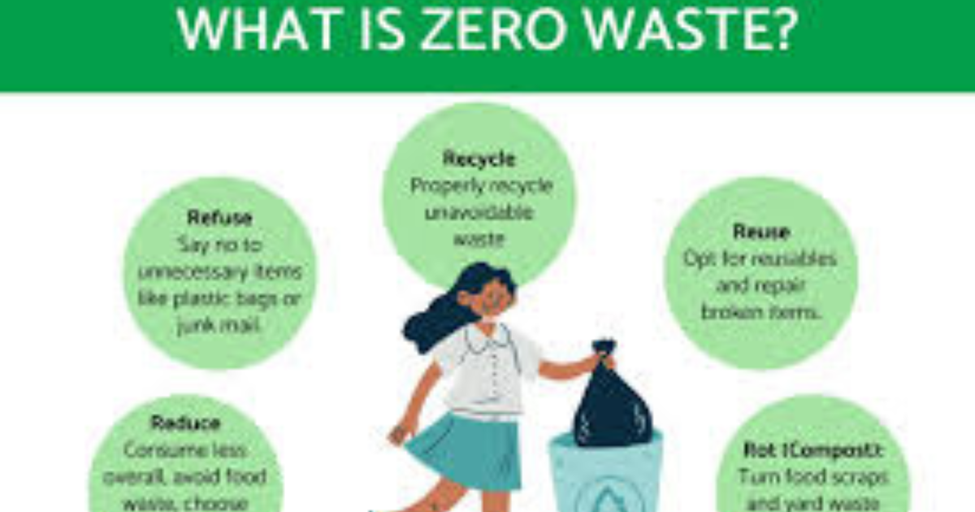
So what is zero waste? According to Wikipedia, zero-waste is basically a set of principles focused on waste prevention that encourages the redesign of resource life cycles so that all products are reused. The goal is for no trash to be sent to landfills, incinerators, or the ocean. The main principles for individuals are
Refuse—don’t consume what you don’t need.
Reduce – reduce consumption of energy and materials.
Re-use – share with others, find new uses for old objects.
Repair – fix or upgrade your objects rather than throwing them away.
Re-gift – share and be part of the gift economy.
Recover – recover energy and materials and upcycle.
Recycle – close the loop and remake.
These principles are about changing your perception and buying things, your relationship with stuff and with the Earth.
We live in a world where consumption and buying more and new has become an addiction. I’m certainly addicted to buying things. The temptation is just everywhere, but by learning more about zero waste, I’ve become more conscious. I question myself more about the consumption and buying decisions that we make. That way we’re starting to save money too.
Moving to a new house and getting ready for a baby meant we had to buy a lot. Zero-waste tells you basically to avoid so much shopping, but at least a lot of the decisions we made were well thought out with regard to buying expensive but durable and long-lasting items.
Before I explain some of the things we started doing (and we’ve been doing), I want to mention that I don’t believe zero-waste is possible—certainly not in the world we currently live in. I think low-waste is better.
We strive now to reduce our waste as much as we can, but to be completely zero-waste, that’s where we need the help of businesses and governments, even if I want to.
40 Practical Zero-Waste & Low-Waste Ideas We’ve Embraced

1. Recycling – now this one is obvious but it’s important. Unfortunately, there are people who are careless and don’t separate their trash. Every country does something about recycling but the Netherlands is definitely the country that does it best out of the five countries I’ve lived in. They have pretty strict rules about what goes where.
We separate food waste, plastic, paper, textile, glass and rest (anything that cannot be recycled). There are also these really great recycling stations where you can bring wood, construction materials, batteries, equipment and more so we’ve studied the rules and follow all guidelines pretty strictly.
2. Buying reusable items instead of plastic
– we have reusable water bottles and coffee cups and I’ve been using these for years. We never buy water in plastic bottles. We have a Brita water filter, although the tap water in the Netherlands is one of the cleanest in the world so you can drink it freely. We also use the same big cloth bags to do our shopping so we don’t buy plastic ones every time we go to the supermarket.
3. Buying a house with A energy and complete insulation – this was key. I found a house that fits these requirements.
4. Turning off the tap – when washing hands, brushing teeth and doing the dishes. For the last one, we started using the dishwasher more because I read it’s far more efficient and resource-saving when you use the eco mode.
5. Turning off the heat at night in the winter – there’s no point in keeping the heating on 24 hours since you’re all wrapped up while you sleep.
6. Taking short showers – you really don’t need to spend half an hour in the shower. My showers take 5-10 minutes depending on whether I’m washing my hair or not but that’s enough and you save a ton of water.
7. Air drying clothes (and hair) – we did not buy a dryer in our new house as it uses so much energy and the electricity bills go way up plus air drying is better. I also leave my hair to air dry after a shower.
8. Cooking at home 95% of the time – we rarely get takeaway and every time we do, I’m amazed at the number of plastic wrappers and boxes that are difficult to clean (so you can recycle them) or are actually not recyclable at all. Cooking at home saves money too.
9. Using an e-reader vs. real books – that saves not just a lot of paper but a lot more other resources around printing the actual books and energy that goes into it such the whole process of shipping and delivering the book to your address. Also, any paper books we get, we try to get them second-hand.
10. Buying 100% recycled toilet paper – I love these guys at Who gives a crap. Their toilet paper is recycled, plastic-free and they donate 50% of their profits. The only thing is that the box gets shipped from the UK and I might have to look for an alternative here in the Netherlands so it’s local and doesn’t require international shipping.
11. Donating clothes or giving to friends – when we were moving from Ireland to the Netherlands I gave a ton of clothes to friends.
12. Doing groceries at the local market – since we moved to our new house, it’s been super convenient to buy our fruits, veggies and meat at the Saturday market here. The products are a lot tastier and fresher than supermarket food and we support the local, small businesses.
13. Using mesh bags for groceries – in addition to our big grocery shopping bags, I got us some mesh bags so every time we go to the market or the supermarket we consciously try to buy loose food only and put it in the mesh bags instead of the plastic bags provided.
14. Creating produce bags from old t-shirts – it’s super easy and relaxing. In addition, when buying say chicken or nuts, I have designated containers that I bring with me instead of getting those plastic wraps and boxes each time.
15. Reusing jars – I try to buy products in either cans or glass containers because I can reuse the latter, for example, I try to always buy yoghurt, coconut oil, olive oil and the like in a glass bottle vs. a plastic bottle.
16. Using durable, sustainable kitchen and household products – I switched from plastic dishwashing brushes to wooden ones with disposable bamboo heads that can be changed, same for the floor cleaning products – the mop is wooden with a cotton head and stainless steel container. We also got some plastic-free sponges but for all of these, we’ve made sure to first use up what we already had instead of throwing it away.
17. Using soap bars instead of anything in a plastic bottle – in our kitchen and bathroom we now use soap bars that just go away and there’s no plastic bottle to it. You can even get a soap mesh pouch to put your body soap in it and it gives you a great massage plus it exfoliates.
18. Reducing kitchen paper – we stopped buying kitchen paper altogether and got some reusable bamboo paper. I also cut up old t-shirts and use these to wipe as well. But sometimes the usual paper becomes much easier and convenient especially with something you can’t wash well so that’s why I say we reduced vs. eliminated, but we reduced it a lot.
19. Using silicone baking mats and silicone cupcake form instead of paper ones – I wish I had known about these silicone mats long before, they’re so much more convenient, easy to use and then clean.
20. Making my own bread – it’s been about 2-3 months now that I’ve been making my own bread instead of buying it. It’s much tastier, it doesn’t take long, you know what’s in it and you can freeze it. This way you avoid the plastic wraps because even if you buy the bread at the market, they always give you a plastic bag. I also have an eco mode on my oven so that’s the one I use.
21. Using natural cleaning products only – at the beginning of this post, I mentioned that a certain toilet cleaning product from the supermarket scared me so much after learning how bad all those chemicals inside were so we completely moved to natural cleaning products which work just as well as store-bought. Soaking distilled white vinegar in some water and lemon or orange scraps is the perfect all-purpose cleaner. Bicarbonate of soda is enough for any type of scrubbing you want to do. Bicarbonate of soda and white vinegar is perfect for the sink drain.
22. Switching to bamboo facial wipes vs. disposable ones – this is a really quick thing you can do to reduce waste. I used to clean my face pretty much twice every day with disposable cotton wipes but now I bought some cotton reusable ones and they work great. You can even make your own. They work the exact same way but you don’t throw them away after every use. Just rinse and after a few times, wash them with your laundry and use again.
23. Making my own facial cleanser and toner – I was curious to experiment with DIY beauty products so I found some easy recipes about a facial cleanser and toner and made them in old jars. They worked great and my skin is nice and clean so I don’t have to buy these products anymore.
24. Running shorter laundry cycles at 30 degrees and washing at energy-saving times – your regular wash doesn’t need 3 hours in the washing machine. Often an hour or so is enough and often you don’t need more than 30 degrees either. I also try to do the washing at the weekends or at night because that’s when most people don’t so the energy grid is less strained.
25. Switching to laundry detergent strips – as they don’t create any waste. These products are much safer for the skin and our health.
26. Switching to 100% renewable, local energy – moving to the new house, we switched our electricity provider to a local co-operative which is 100% renewable and you can even become a shareholder in it.
27. Using 100% LED lights – all of our lights in our new house are LED and most of them use the Philips Hue system so it’s fun, it’s energy-saving and those bulbs will last us a lifetime.
28. Using rechargeable batteries – we haven’t switched completely, but getting there. You just need to invest in a charger and that’s all.
29. Using a bagless vacuum cleaner – when moving away from the rented apartment, we needed a vacuum cleaner so we bought one with a rechargeable battery and no bag inside.
30. Buying from thrift shops – many people are scared of second-hand shopping, including me as you worry about quality etc. but we bought some really nice mirrors, drawers and children books from thrift shops. I also got some basically new baby clothes from Vinted as babies grow up so quickly and barely wear their clothes.
31. Getting reusable diapers and reusable baby wipes – baby is due to arrive shortly and I want to try reusable diapers and wipes. During the first 3 months, we’ll mainly stick to disposable diapers but from an eco-brand Naty and try here and there the reusable ones.
However, I’ve been researching cloth diapers and it seems just as easy as they’ve thought of everything-how to wash them, how to store them on the go etc. Same goes for the reusable cotton baby wipes which are so soft.
32. Getting reusable menstrual cup, pads and period underwear – now this might sound gross, but can you imagine how much waste period products create? And for someone with sensitive skin, they’re terrible. I’m pregnant now but post-pregnancy this is what I will be using.
33. Emailing companies to stop sending me magazines or offers via post – as an expecting mom, companies spam you with so much and my post was full of fliers or magazines so I emailed those companies to stop sending me so much paper.
34. Cleaning email inbox and unsubscribing from unnecessary email – did you know that just storing your emails requires energy? It needs data servers to send and store which run on energy. So I cleaned up old emails I didn’t need and have been unsubscribing from newsletters I don’t read as well.
Reflecting on Progress and Looking Ahead
My journey shows that a simple mindset shift can lead to powerful, lasting change. Remember, sustainable living is about progress, not perfection. If you’re looking for more structured guidance on your path, I’ve compiled a complete resource filled with actionable tips for sustainable living and essential zero-waste tips. You can find all these practical zero-waste strategies in my dedicated guide, Tips for Living Zero Waste.
Have we eliminated our waste? No, but we’ve reduced it and we’ve been making much better decisions for our health.
Can we do more? Of course, but I consider this a journey rather than a one-off so we’ll keep learning and trying new things out.
With a lot of these, you can make the change right away, especially if you’re keen on your creating your own stuff like cleaning products. And even if you buy more eco products, they are not that more expensive, some are even cheaper. At the end of the day, you can save money in the long run with a lot of the things I mentioned above in addition to not swallowing a ton of chemicals from bad supermarket cleaning products
Zero-Waste Things I’m Going to Try or Do Next
1. Growing my own food – I want to try things like growing herbs and some veggies on my window first then outside in the garden once I’m allowed to be around soil after pregnancy.
2. Making more DIY beauty products – body lotion, body exfoliator and hairspray are all on my list to try out.
3. Using shampoo bars – we still have some shampoos to use that are in plastic bottles but I plan for us to move to shampoo bars which are just as good and create no waste. (That one is important, by the way, use what you have first before you make a switch.)
4. Composting food waste – I’m researching compost bins right now and how to best make use of the composted food as we’re setting up the garden. I think composting our food waste would be the biggest difference that we could possibly make.
5. Reducing waste in general – I want to better monitor our waste once the madness of the new house is over and find ways to reduce plastic for example.
6. Cooking more vegetarian – meat production is a huge polluter and it’s good to go plant based only from time to time. We do it now but I want to find more vegetarian meals that are really tasty
7 Switching to reusable household items – replacing disposable products like paper towels, cling film, and single-use wipes with reusable alternatives such as cloths, beeswax wraps, and refillable containers
Key Takeaway: Transitioning to a low-waste life is a personal journey, not about perfection. Inspired by my pregnancy, our family adopted 40 practical swaps—from DIY cleaners to reusables—that significantly cut our trash and created a healthier home. Start with one change that resonates with you.”
“What’s the first low-waste swap you made or want to try? Share your experience or questions in the comments below!”