

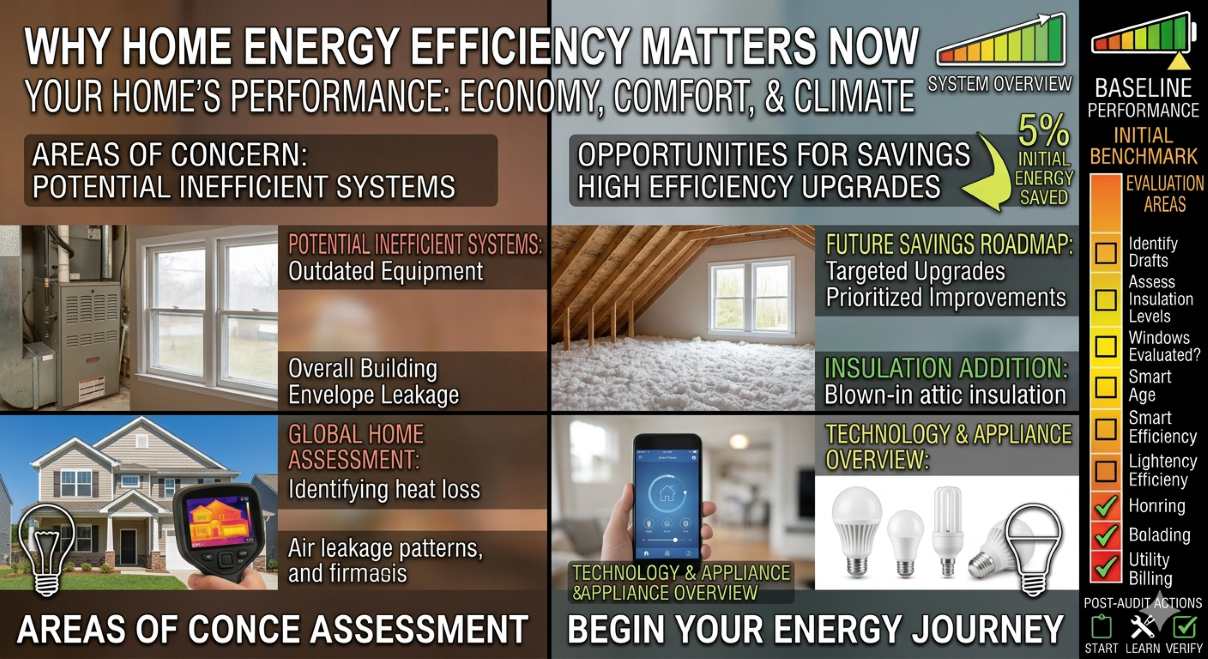
Introduction — Why Home Energy Efficiency Matters Now
With energy bills climbing in many areas, an estimated three-fourths of Americans say they’re concerned about rising gas and electric costs, according to a 2025 poll . You’re not alone if your monthly utility statement feels like an unwelcome surprise.
Home energy efficiency isn’t just about saving the planet—it’s about keeping more money in your pocket while enjoying a more comfortable living space. An efficient home maintains stable temperatures, has fewer drafts, and runs quieter than its leaky counterparts .
The best news? You don’t need a full home renovation to start saving. Many of the most effective measures are simple, low-cost changes you can implement this weekend . This guide walks you through everything from quick behavioral shifts to strategic upgrades that deliver the highest return on investment.
Understanding Home Energy Efficiency
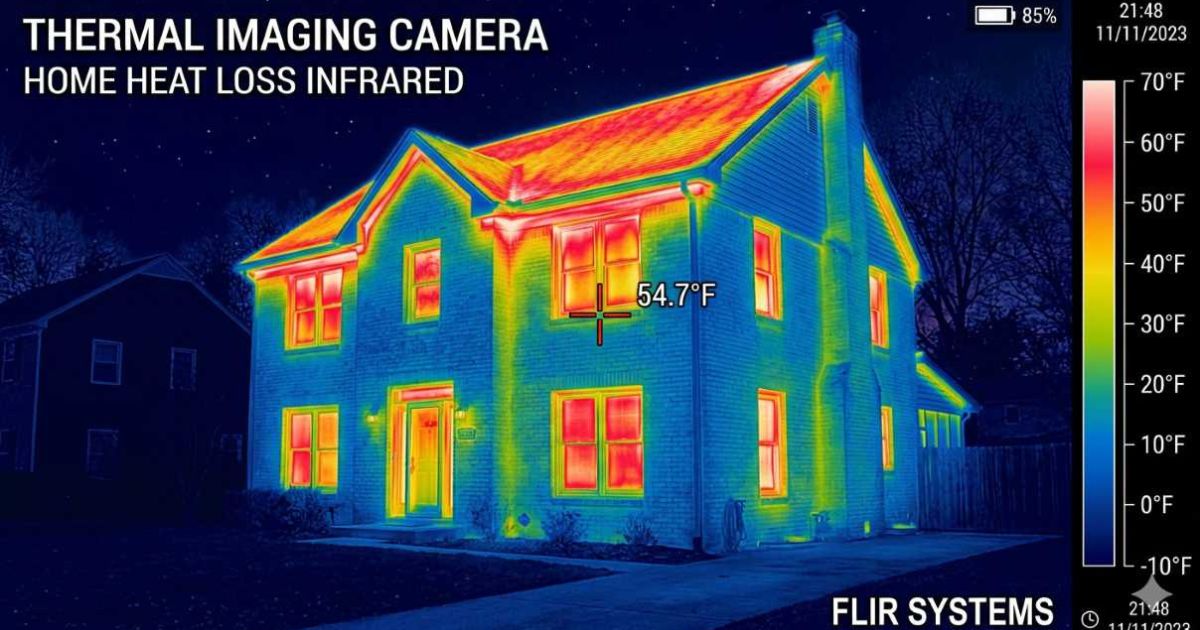
Home energy efficiency means using less energy to perform the same tasks—eliminating waste without sacrificing comfort . Today, the most affordable form of new energy is conservation: using what we already generate as efficiently as possible .
The Efficiency Loading Order
Every home is different, but experts recommend following an efficiency loading order—a prioritized sequence of improvements that deliver the fastest return on investment :
- Low-hanging fruit: Simple, inexpensive measures with the quickest payback
- Home appliances: Efficient replacements when old units die
- Building shell improvements: Insulation and air sealing
- Mechanical system upgrades: High-efficiency HVAC and heat pumps
- Solar and battery storage: The final step toward zero net energy
This approach ensures you’re not overspending on solar panels to power a home that’s leaking energy through every crack .
Quick Wins — No-Cost and Low-Cost Changes
Start with habits and small upgrades that cost little to nothing but deliver immediate savings.
Behavioral Changes That Add Up
Adjust your thermostat strategically. In winter, set your heating to 18-20°C (64-68°F) when home, and lower when asleep or away. In summer, set cooling to 23-26°C (74-78°F) when home, and higher when out . For every degree you lower the thermostat for 8 hours, you save approximately 1% on heating costs .
Wash clothes in cold water and hang them to dry whenever possible . Run full loads only in washing machines and dishwashers . These simple shifts cut energy and water use simultaneously.
Close curtains and blinds. In winter, open them during sunny days to capture free solar heat, then close at night to retain it. In summer, keep them closed during the day to block heat gain .
Slay the Vampire Loads
Many electronics draw power continuously even when “off”—a phenomenon called vampire loads or standby power . The average home loses $100-$200 annually to these hidden drains.
Install advanced power strips with built-in features that significantly reduce energy use from home office and entertainment center devices when not in use . Smart plugs offer another layer of control, letting you schedule or remotely cut power to specific devices .
Sealing and Insulation — The Foundation of Efficiency
Before upgrading appliances or adding solar, ensure your home’s building envelope—the physical barrier between inside and out—is properly sealed and insulated.
Air Sealing: Stop the Leaks
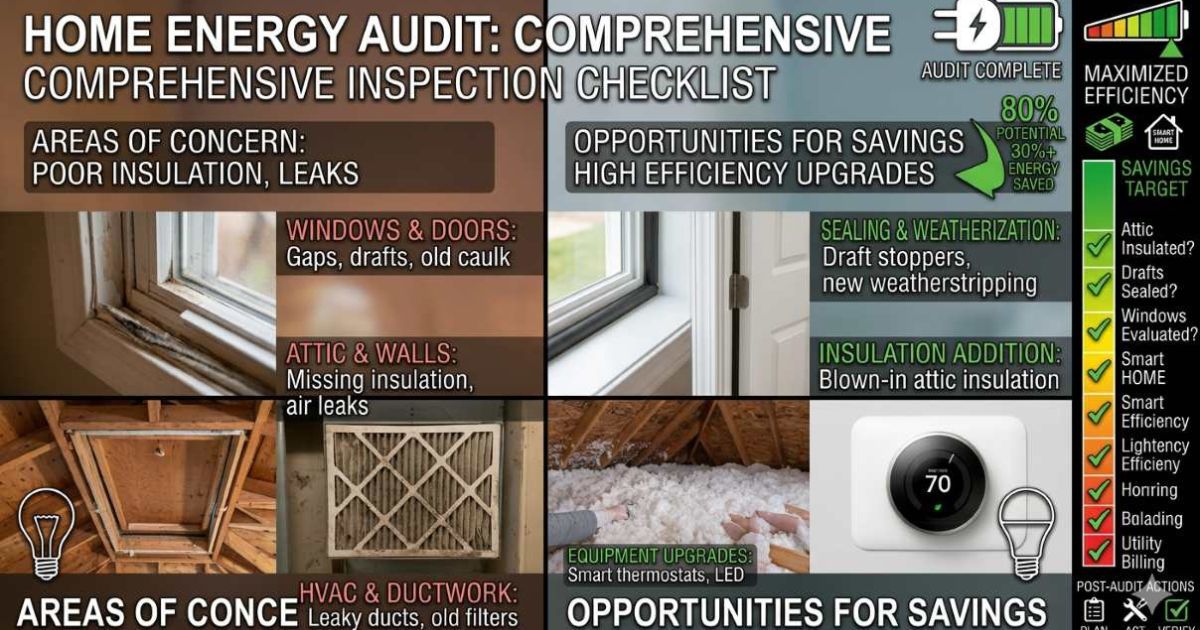
Air leakage is the single biggest cause of energy waste in most homes . Caulk, seal, and weather-strip around all seams, cracks, and openings . Pay special attention to windows, exterior doors, and places where plumbing pipes or electrical wires enter the attic .
Install door sweeps at the base of all exterior doors to seal the gap between door and threshold . Check weather stripping on existing doors and windows, replacing any that’s worn or missing .
For a simple DIY test: on a windy day, light an incense stick and hold it near windows, outlets, and baseboards. If the smoke wavers dramatically, you’ve found an air leak .
Insulation: Your Thermal Blanket
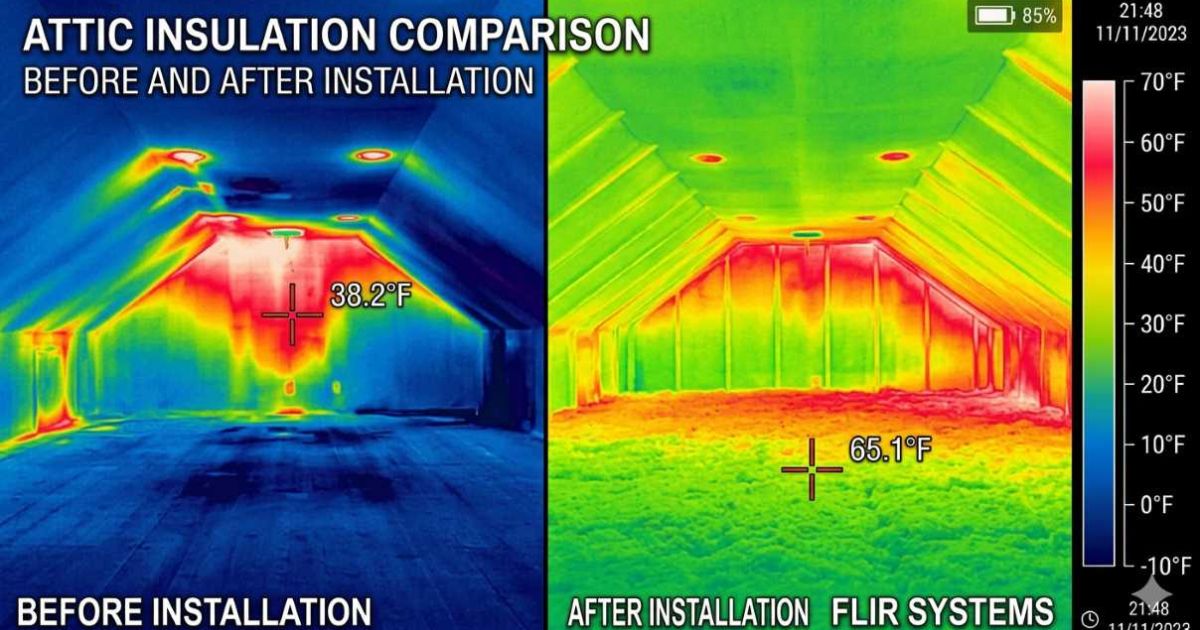
Boosting insulation in attics, crawl spaces, and basements can save an average of 10% on heating and cooling . The attic is the most critical location because heat rises.
Upgrade attic insulation to a minimum of R-38 (12-14 inches) , which can help save significantly on heating and cooling costs . A properly insulated home will be more comfortable in winter and summer while using less energy through your HVAC system .
In some cases, homes that improve insulation and air sealing can save money on furnace and air conditioning projects because they can now install smaller, more efficient units .
Heating and Cooling — Your Biggest Energy Users
Heating and cooling account for the largest portion of home energy use. Optimizing these systems delivers the biggest bill reductions.
Smart Thermostats: The MVP of Energy Management
The Environmental Protection Agency estimates that homeowners save an average of 8% on utility bills by using a smart thermostat . Some sources put the savings even higher—around 20% on heating and cooling costs .
These devices learn your schedule and use features like geofencing (tracking your phone’s location) to automatically switch to energy-saving mode when you’re not home . They’re the single most effective smart home investment for energy savings .
HVAC Maintenance Matters
Have your central heating and cooling system serviced annually by a professional. This extends equipment life while maintaining optimum efficiency .
Check air filters monthly and change them when dirty—at least every 90 days, more often with pets or allergies . Dirty filters force systems to overwork, consuming more energy and reducing lifespan.
Periodically check ductwork for leaks or tears. Repair fallen or crushed ducts and use mastic (a plaster-like substance) to seal leaks .
Ceiling Fans: Low-Tech, High-Impact
Using ceiling fans during warmer months cuts down on air conditioning needs . In winter, run them clockwise at low speed to gently direct rising heat downward from the ceiling, making rooms feel warmer without turning up the thermostat .
Remember: fans cool people, not rooms. Turn them off when you leave the area .
Water Heating Efficiency
Water heating accounts for about 18% of a home’s energy use, according to the U.S. Department of Energy .
Temperature Settings
Set your electric water heater to 120°F (49°C) . Gas models should be set to “medium” . This temperature is hot enough for comfortable showers but cool enough to prevent scalding and reduce energy waste.
Visually inspect the unit periodically for leaks .
Heat Pump Water Heaters
For households ready to upgrade, heat pump water heaters are the gold standard. They use less electricity than other systems by moving heat rather than generating it, meaning lower power bills and endless hot water . They’re especially great for homes with limited roof space .
Lighting Upgrades
Lighting represents a significant opportunity for quick savings.
LED: The Obvious Choice
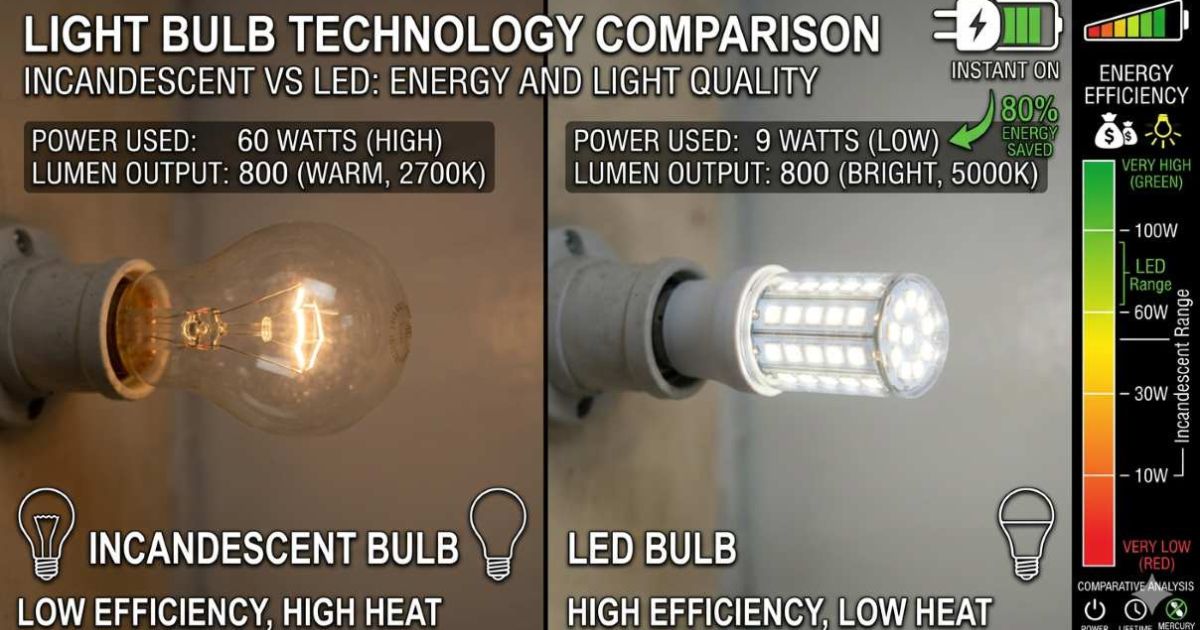
Replace standard incandescent light bulbs with ENERGY STAR® certified LEDs, which are 90 percent more efficient than incandescents . They consume up to 80% less energy and last much longer .
Use timers and motion sensors to reduce operating hours of interior and exterior lights left on for security purposes .
Appliance Efficiency
When appliances need replacement, choosing efficient models pays dividends for years.
Refrigerators
Refrigerators are notorious energy hogs . Consumer Reports notes that models with freezers on the top or bottom are usually more energy-efficient than side-by-side models. In-door ice and water dispensers also add to a fridge’s energy use .
ENERGY STAR Certification
Choose ENERGY STAR® certified appliances whenever possible . These units meet strict efficiency specifications set by the government, typically using 10-50% less energy than standard models .
The ENERGY STAR website provides product information for home appliances to help you compare .
Strategic Landscaping
Plant shade trees on the west and east sides of your home to shield it from the sun during summer months . Deciduous trees provide shade in summer but drop leaves in winter, allowing beneficial solar gain when you need it.
Remember to consider soil quality, utility lines, and fire safety when planting .
Solar and the Path to Zero Net Energy
Once your home is as efficient as possible, it’s time to generate your own clean energy.
Solar-Ready Design
Even if you’re not ready for solar panels now, wire for them upfront . Add solar-ready wiring during renovations so future installation is simple and affordable .
Solar + Storage
Solar panels are the cheapest, cleanest way to power your home . After installing solar, think about replacing appliances that use the most energy—typically heating, then hot water systems, and cooktops .
A solar battery gives you more control by storing daytime energy for use at night . This is especially valuable if your utility has time-of-use rates or if you want backup power during outages.
The best way to choose the right battery is to get an independent assessment from an energy expert or accredited installer .
Your Home Energy Audit Toolkit
Want to see what’s draining your energy in real-time? The Sense Energy Monitor plugs into your panel and identifies usage patterns appliance-by-appliance . It helps spot vampire loads and catch appliance failures before they become expensive .
In Ireland, public libraries offer Home Energy Saving Kits containing thermal cameras, plug-in energy monitors, thermometers, and radiator keys that citizens can borrow for free . Check if your local library or utility offers similar resources .
Frequently Asked Questions
Q1: What’s the fastest way to lower my energy bills?
Install a smart thermostat and switch to LED bulbs. Both pay for themselves in under a year .
Q2: How much can I save by adding insulation?
Boosting attic insulation can save an average of 10% on heating and cooling . Combined with air sealing, savings often reach 15-30% .
Q3: What temperature should I set my thermostat?
Winter: 68°F (20°C) when home, lower when away/sleeping. Summer: 78°F (26°C) when home, higher when away .
Q4: Are smart appliances worth it?
Yes—they optimize usage. A smart dishwasher can delay cycles until energy demand is low, and smart thermostats learn your schedule for hands-free savings .
Q5: How do I find rebates for efficiency upgrades?
Ask your energy provider whether energy audits or rebates on efficiency upgrades are available in your area . Federal, state, and utility programs often help with costs .
Q6: What’s the single most important upgrade?
A smart thermostat and well-insulated walls. Both deliver the highest return on investment .
Conclusion — Start Your Efficiency Journey Today
Home energy efficiency is the smartest investment you can make in 2026. Whether you’re a homeowner or renter, the path to lower bills and greater comfort starts with simple steps you can take right now .
Begin with behavioral changes—adjusting thermostats, washing in cold water, and slaying vampire loads. Move on to low-cost upgrades like LED bulbs and weatherstripping. Then plan for larger investments in insulation, efficient appliances, and eventually solar.
Remember the efficiency loading order: start with the low-hanging fruit, then work your way up to bigger projects . Every watt saved compounds over time, creating a home that’s resilient, comfortable, and ready for the future