

Introduction: Healing Yourself Through Zero Waste
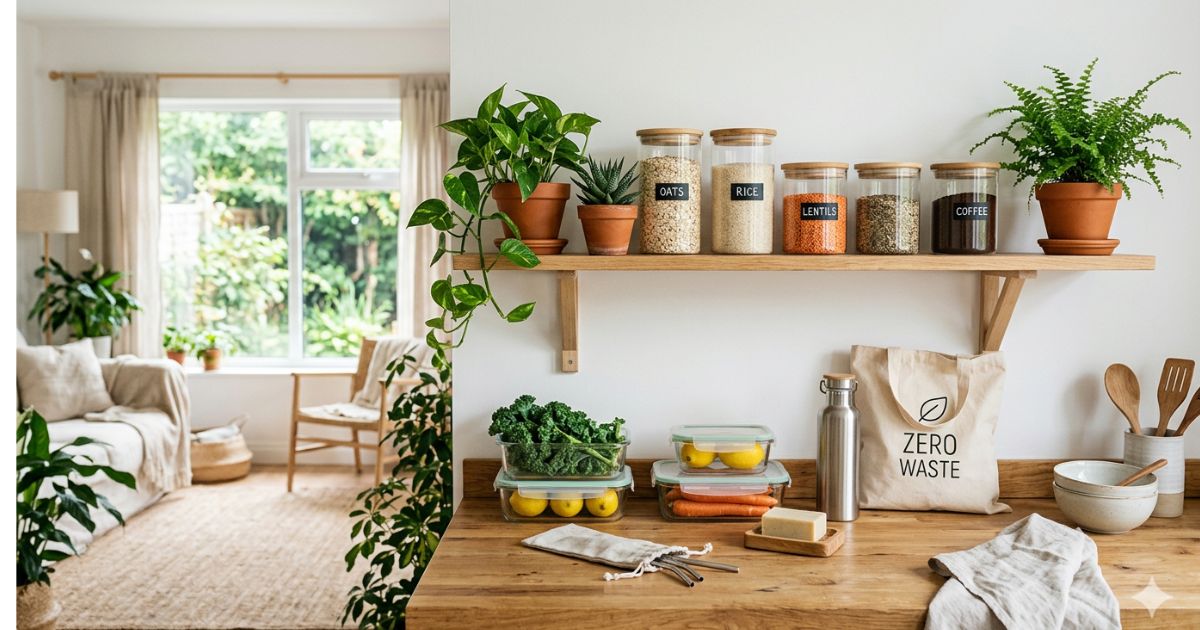
What if reducing waste could also reduce stress and overwhelm? Heal your living zero waste is more than a lifestyle trend—it is a holistic approach connecting your mind, home, and the planet.
Youheum Son, founder of the Heal Your Living channel, frames this philosophy around four pillars: mindfulness, sustainability, minimalism, and wellness. In the U.S., Americans produce nearly 5 pounds of municipal solid waste per day, according to the Environmental Protection Agency. Much of it is preventable.
2. The Four Pillars of Healing Your Living
Each pillar supports the others. Strengthen one, and the rest follow naturally.
2.1 Mindfulness – Awareness Behind Every Choice
Mindfulness asks: why am I buying this? In a consumer-driven culture, purchases often happen automatically. Mindful living interrupts that pattern.
Practical habits for 2026–2027:
- Pause and take three conscious breaths before buying non-essentials
- Journal about one possession and the emotion attached
- Track impulse purchases for 30 days
Research shows awareness reduces impulsive spending. Mindfulness also reframes decluttering: it’s not about “getting rid of stuff” but releasing what no longer supports your growth.
2.2 Sustainability – Reduce Waste, Increase Impact
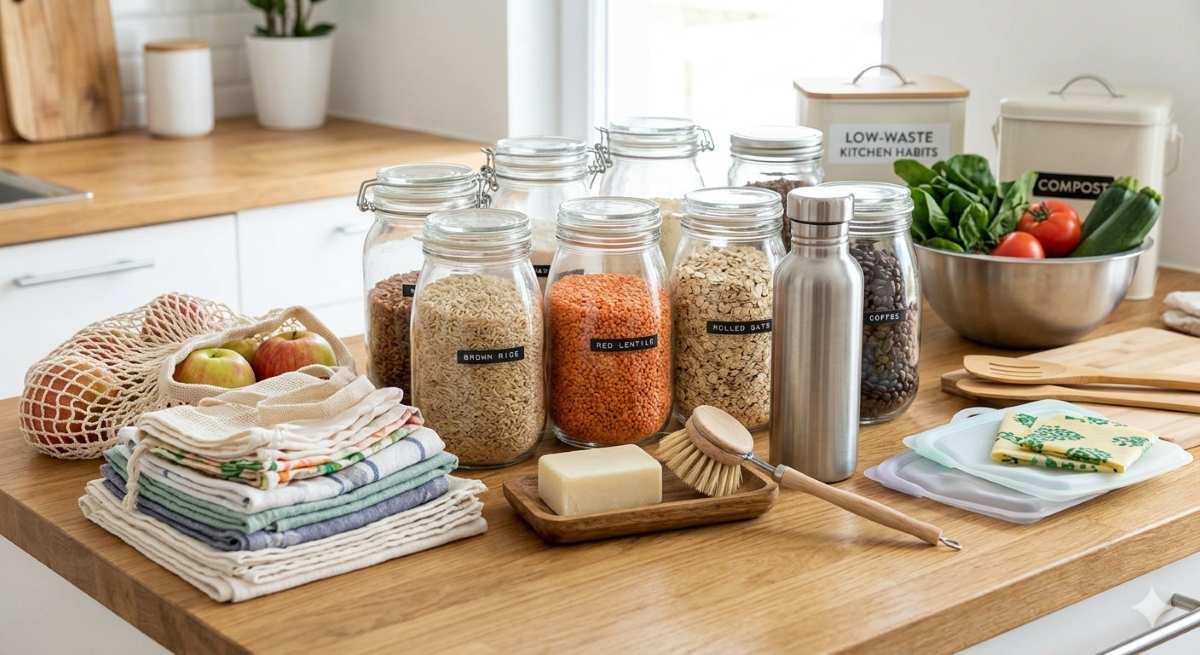
Sustainability turns awareness into action. Reusing and reducing have a bigger effect than recycling alone. Plastic pollution threatens over 700 marine species globally, according to the Natural Resources Defense Council.
Simple U.S.-friendly swaps:
| Area | Conventional Habit | Healing Alternative |
| Kitchen | Paper towels | Washable cloth rags |
| Bathroom | Bottled shampoo | Shampoo bars |
| Shopping | Plastic bags | Reusable totes |
| Drinks | Bottled water | Stainless steel bottle |
Intentional changes save households $500–$1,200 annually while protecting the planet. Small swaps add up to big impact
2.3 Minimalism – Space for What Matters
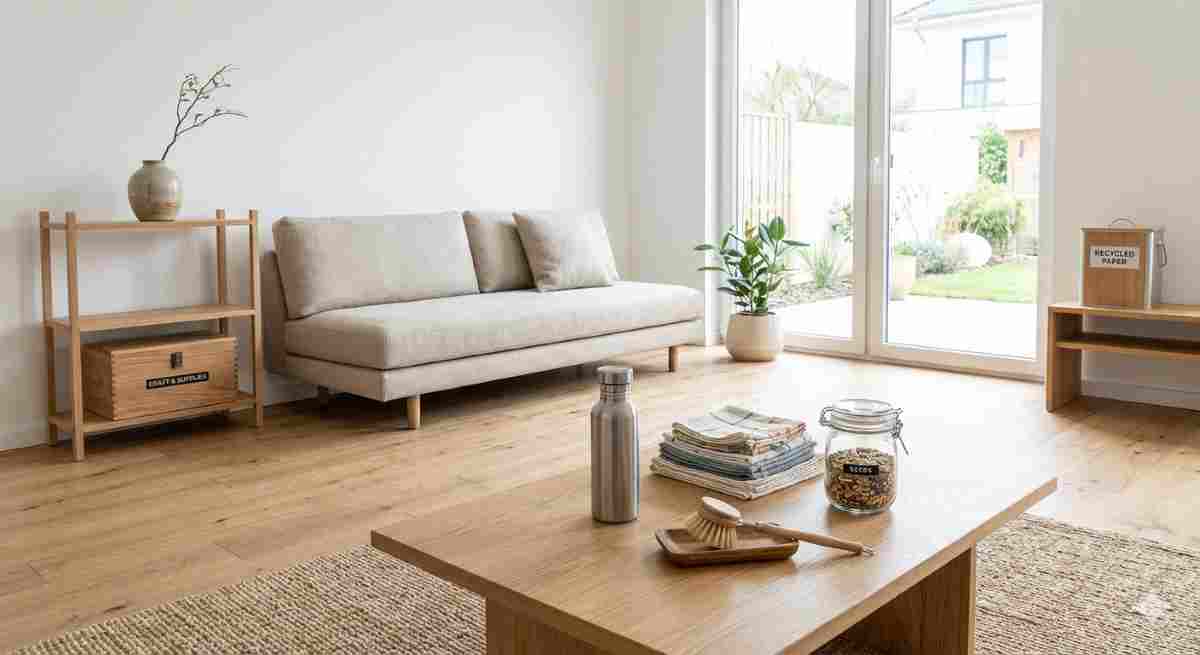
Minimalism is clarity, not deprivation. Youheum Son describes her shift from a fast-paced lifestyle to intentional simplicity as transformative. Owning less reduces stress.
Benefits include:
- Less decision fatigue
- Lower cleaning time
- Reduced visual clutter
- Greater appreciation for quality items
Practical steps:
- One-in, one-out rule
- 30-day decluttering challenge
- Unsubscribe from marketing emails
- Borrow items before buying
Minimalism also supports sustainability: the most eco-friendly product is the one you never purchase.
2.4 Wellness – Caring for Yourself and the Planet
Wellness ensures sustainable habits are maintainable. Low-waste self-care protects your body and environment.
Healing practices include:
- Nature walks instead of shopping for entertainment
- DIY body scrubs (sugar + coconut oil)
- Loose-leaf tea instead of pods
- Gentle stretching or yoga at home
Time outdoors reduces stress and strengthens environmental awareness. When we feel connected to nature, we protect it.
3. Practical Zero Waste Habits That Heal
3.1 Morning Rituals for Calm and Clarity
Start your day with intention:
- Brew coffee in a French press
- Drink from a ceramic mug
- Pack lunch in glass containers
- Carry a reusable bottle
These small rituals reduce waste before the day begins and cultivate mindfulness.
3.2 Food Waste: The Hidden Opportunity
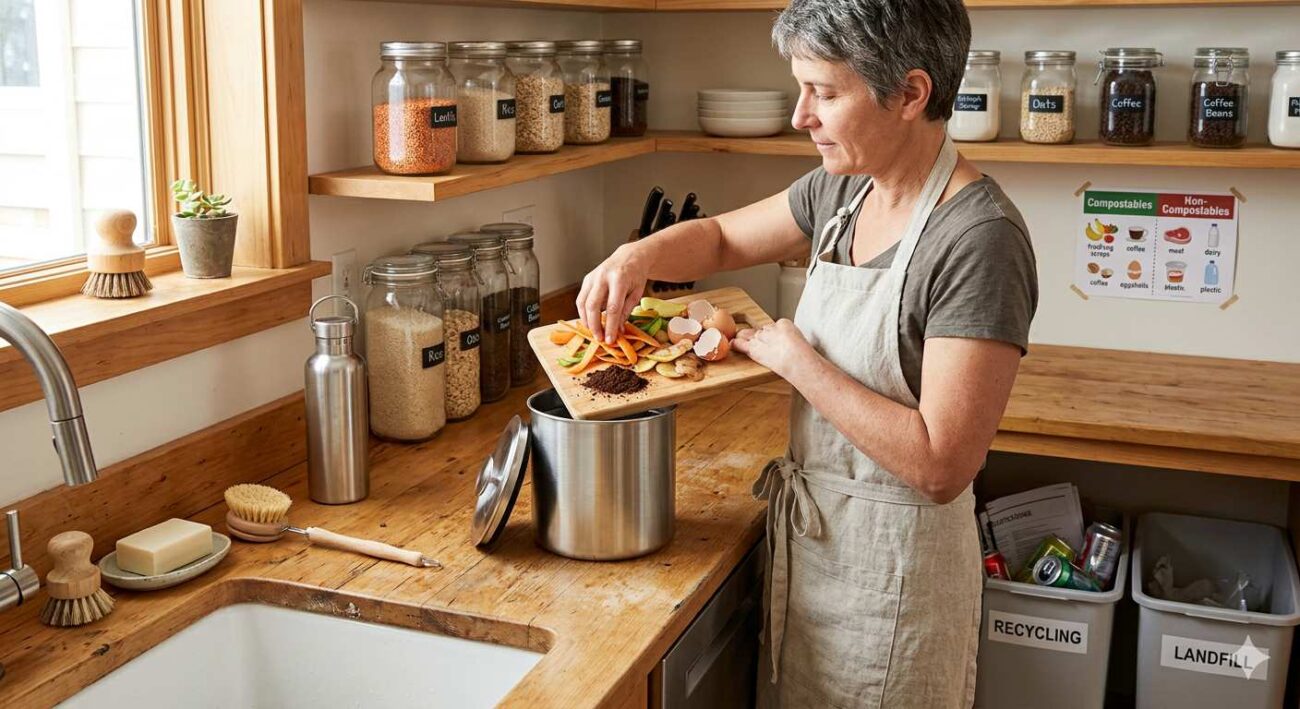
Food waste is a major contributor to U.S. household trash—about 22% of municipal solid waste. Healing habits:
- Weekly meal planning
- Shopping with a list
- Properly storing produce
- Composting scraps
Average U.S. households waste $1,500 annually on food. Reducing this protects wallets and planet alike.
3.3 Bathroom Swaps for Plastic-Free Self-Care
The beauty industry produces billions of packaging units annually. Low-waste swaps:
- Bar soap on wooden tray
- Safety razor with metal blades
- Bamboo toothbrush
- Refillable deodorants
Simpler routines save money, reduce plastic, and improve wellness.
4. The 7-Day Heal Your Living Challenge
Ease into change with one habit per day:
| Day | Focus | Action |
| 1 | Mindfulness | Journal about one possession |
| 2 | Kitchen | Replace paper towels with cloth |
| 3 | Bathroom | Swap one plastic item |
| 4 | Shopping | Visit thrift store first |
| 5 | Food | Create a 7-day meal plan |
| 6 | Wellness | Make DIY body scrub |
| 7 | Reflection | List five ways your space feels lighter |
Progress matters more than perfection. Celebrate each small win.
5. Emotional Decluttering and Limiting Beliefs
Mindset shapes behavior. Common barriers:
- “I can’t make a difference”
- “It’s too expensive”
- “It’s inconvenient”
Collective action drives real change. Extended Producer Responsibility laws now shift packaging accountability to manufacturers.
Journal prompts:
- Does this item support my future self?
- What would I gain by letting it go?
- Am I keeping it out of fear or intention?
Decluttering is about identity and growth, not objects alone
6. Frequently Asked Questions
H3: 6.1 Is zero waste realistic in small apartments?
Yes. Countertop compost bins, bulk shopping jars, and digital subscriptions make it achievable.
6.2 Is this lifestyle expensive?
Not long-term. Durable goods replace recurring disposables. Monthly expenses often drop $500–$1,200.
6.3 What if family members aren’t interested?
Lead by example quietly. Show benefits through calm spaces, savings, and homemade meals. Influence grows naturally.
7. Conclusion: Alignment Is the True Goal
Healing your living zero waste is not about fitting everything into a mason jar. It’s about alignment:
- Mindfulness pauses impulsive habits
- Sustainability connects actions to global impact
- Minimalism clears clutter and stress
- Wellness ensures energy to maintain habits
Start with one small shift this week. Notice how intentional living feels. Healing begins at home and radiates outward.
For more detailed guidance, explore this comprehensive zero waste guide and consult EPA sustainable materials management resources for science-based tips