


living a green lifestyle is a conscious choice to reduce your environmental footprint through daily actions. This definitive guide explains what a green lifestyle means, explores i L ts core principles like waste reduction and sustainable gardening, and provides practical steps for families and individuals across the USA to create meaningful, lasting change for a healthier planet.
A Note Before We Begin: Progress, Not Perfection
The concept of a “green lifestyle” can feel vast and sometimes overwhelming. This guide is designed to be your practical, grounded master resource. It’s not about achieving a state of perfect, zero-impact living—an impossible goal that leads to frustration. Instead, it’s a blueprint for understanding the “why,” mastering the “how,” and making consistent, better choices that compound into significant positive change for both your personal well-being and the planet’s health. Think of this as building a collection of smarter habits, not passing a purity test.
Quick Navigation: Your Guide at a Glance
Jump directly to the section you need most, or follow the path from start to finish to build your complete green living foundation.

What Is a Green Lifestyle?
– Meaning, Spectrum, and Debunking Myths
The Core Principles: The 5 R’s
Your essential framework: Refuse, Reduce, Reuse, Recycle, Rot.
Waste Reduction Mastery
Room-by-room blueprint and winning the war on plastic.
Sustainable Gardening –
From soil health to water wisdom and home composting.
The Green Family –
Habits, routines, and values for households.
The Green Home Transformation –
Energy, water, and creating a non-toxic haven.
Food for Thought –
Plant-based eating, slashing waste, and local food.
Conscious Consumption –
Rejecting fast fashion and spotting greenwashing.
The Multifaceted Benefits
Environmental, health, and financial wins.
Your Personalized Action Plan –
5 habits to start this week and how to set SMART goals.
Frequently Asked Questions (FAQ)
Answers on budget, apartments, skeptics, and more.
Ready? Let’s build your green lifestyle.
Introduction to a Green Lifestyle: Beyond the Buzzword to Tangible Action
Sustainability begins not with a dramatic, overnight overhaul, but with simple, mindful awareness. Many of the pressing environmental challenges we face—climate change driven by carbon emissions, plastic pollution choking our oceans, deforestation, and the rapid depletion of finite resources—are not abstract concepts.
They are deeply and directly connected to the sum of our daily habits: what we buy on impulse, what we discard without thought, and the energy we consume while barely glancing at the utility bill.
A green lifestyle is the conscious, empowered decision to realign those habits with the long-term well-being of our planet. It’s a commitment to living in a way that systematically minimizes your personal environmental footprint across all areas of life.
The most liberating truth is this: living green is not about perfection; it’s about purposeful progress. It’s about making better, more informed choices wherever you can—within your home, at your workplace, and throughout your community.
When millions of people embrace and normalize these small changes, the collective impact creates a powerful cultural and economic shift toward a truly sustainable future. This guide will provide the map, the tools, and the motivation to start your journey and build lasting momentum.
What Is a Green Lifestyle? A Clear, Actionable Definition
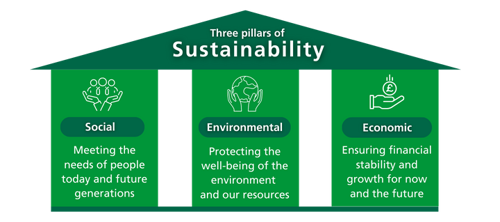
At its core, a green lifestyle means intentionally organizing your life to actively minimize negative impacts on the environment. It’s a holistic and proactive approach that encompasses conserving natural resources (like fresh water and energy), drastically reducing waste sent to landfills, lowering your carbon emissions, and making ethical, thoughtful choices in every facet of your daily life. This philosophy moves beyond your diet and commute to influence your investments, your advocacy, and your legacy.
Green Lifestyle Meaning Explained Simply and Powerfully
Think of a green lifestyle as living with deliberate intention and respect for natural limits. It’s the practice of meeting your present needs without compromising the ability of future generations to meet theirs. This foundational principle influences everything you do:
- Consumption & Efficiency: How you use energy to heat your home, water your garden, and power your devices. It’s about seeking efficiency without sacrificing comfort.
- Waste Management: How you handle the stream of trash, recycling, and organic matter your household produces. It’s viewing “waste” as a design flaw.
- Purchasing Power: The food you choose to eat and the physical products you bring into your life. It’s about quality, ethics, and necessity.
- Mobility: How you travel to work, run errands, and explore the world. It’s optimizing for lower emissions.
- Home Stewardship: How you maintain, clean, and furnish your living space. It’s choosing health and sustainability for your indoor environment.
- Legacy & Influence: How you educate your children, discuss values with friends, and participate in your community. It’s leading by example.
Every single decision, from refusing a plastic bag to installing a solar panel, is a tangible vote for the kind of world you want to live in and leave behind.
Green Lifestyle vs. Sustainable Living: Understanding the Spectrum
While often used interchangeably in conversation, “green lifestyle” and “sustainable living” have subtle but important distinctions that are worth understanding:
- Green Lifestyle focuses primarily on your individual daily habits and personal choices. It’s your actionable toolkit for reducing your direct footprint through behaviors like recycling correctly, saving energy, choosing organic food, and reducing personal waste. It is the essential personal practice of sustainability.
- Sustainable Living encompasses a much broader, systemic view. It includes green personal habits but also extends to urban planning, industrial cradle-to-cradle design, government policy, circular economic models, and global social equity. Think of it this way:
- A green lifestyle is about choosing a reusable bottle. Sustainable living is about designing a city-wide drinking fountain refill network, banning single-use plastic bottles, and ensuring clean water access for all. Your green lifestyle is the critical personal foundation upon which the larger, necessary vision of a sustainable society is built.
Debunking the Top 3 Myths That Hold People Back
Misconceptions and outdated ideas often paralyze well-intentioned people. Let’s dismantle these barriers definitively:
Myth #1: “It’s too expensive and only for the wealthy.”
The Reality: This is the most common and most damaging myth. While some sustainable branded products have higher upfront costs, the lifestyle itself is inherently frugal. Saving energy and water directly lowers your monthly bills.
Reducing food waste saves significant money on groceries. Buying high-quality, durable goods means you purchase less over time. The most impactful green actions—refusing, reducing, reusing, repairing—cost little to nothing and save you money immediately. It’s a shift from disposable consumption to mindful investment.
Myth #2: “It’s too time-consuming, complicated, and inconvenient.”
The Reality: Like any new skill, there is a short learning curve. However, green habits quickly become automatic, seamless routines. Filling a reusable water bottle, bringing your own shopping bags, or composting scraps takes seconds.
The “complexity” often lies in breaking old habits, not in the new actions themselves. It’s about building smart, efficient systems (like a well-organized recycling station or a meal-planning ritual), not about constant, arduous effort. Convenience is a matter of design and habit.
Myth #3: “My individual actions are just a drop in the ocean. They don’t make a real difference.”
The Reality: This mindset ignores how social, market, and political change actually happen. Collective transformation is only possible through the aggregation of individual actions. Your choices create a ripple effect:
they influence your family, normalize behavior in your social circle, and create undeniable market demand that businesses and policymakers must respond to. Every sustainable purchase is a market signal. Every conversation is advocacy. You are not a powerless drop; you are an essential part of the current shaping the ocean.
The Core Principles: Your Actionable Framework for Every Decision
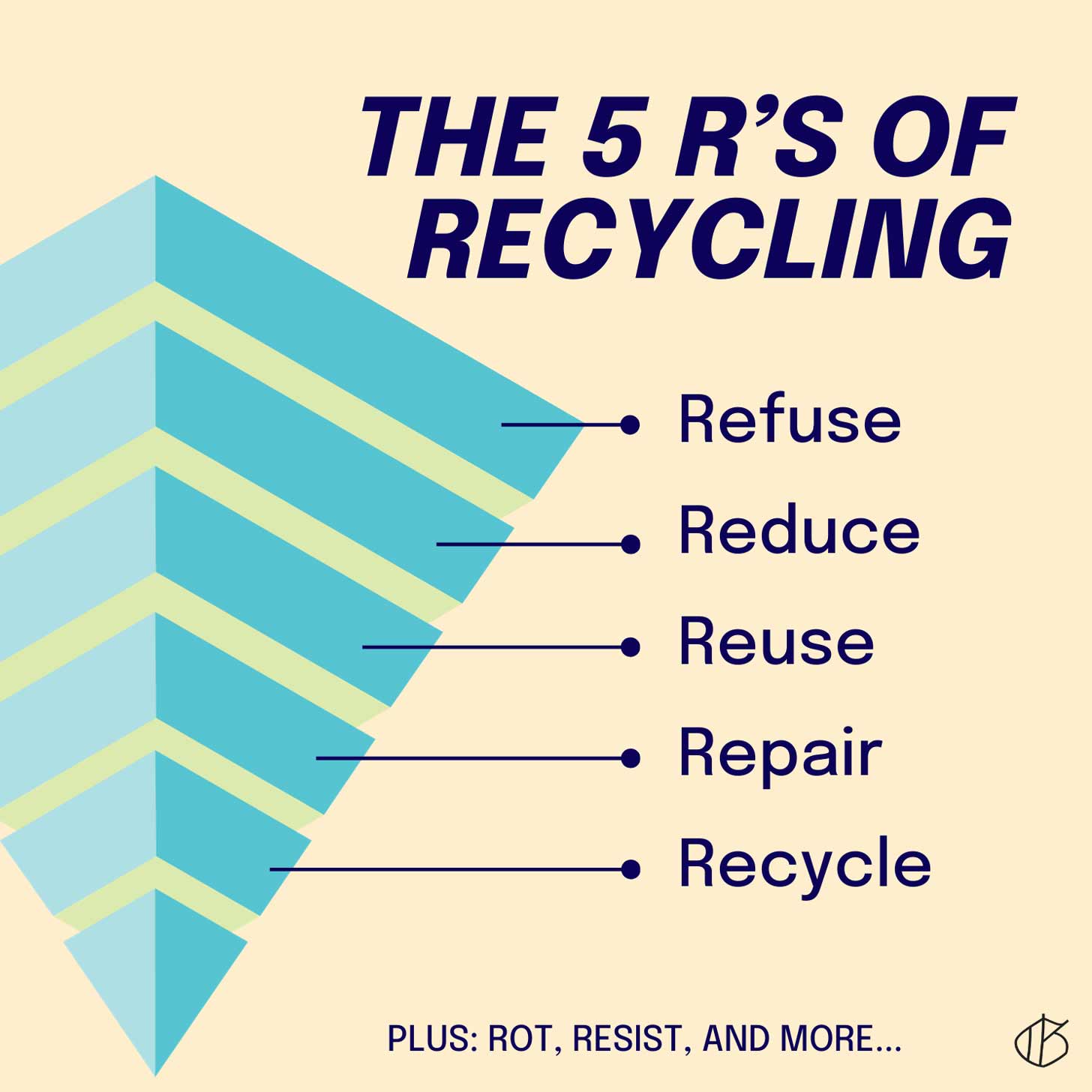
A green lifestyle is guided by a powerful, hierarchical set of principles often summarized as the 5 R’s. This is your essential mental checklist for any decision, especially around consumption and waste. The order is intentional and strategic—it prioritizes the most effective solutions first.
1. Refuse – Your First and Most Powerful Tool

This is pure prevention, and it costs nothing but a moment of courage. Learn to politely but firmly say “no” to what you do not need. Refuse single-use plastics like straws, cutlery, and produce bags. Refuse free promotional items (pens, keychains, swag) that become instant clutter. Refuse junk mail by registering with opt-out services. By refusing, you stop waste and unnecessary consumption at the very source, before it ever enters your life and demands your energy to manage it.
2. Reduce – The Art of Mindful and Sufficient Consumption

For the things you have determined you truly need, the goal is to reduce the overall quantity and volume. Consume less, but choose much better. This means buying higher-quality items built to last for years, resisting impulse purchases through waiting periods, and mindfully minimizing overall clutter in your living space.
A major, high-impact win is dramatically reducing food waste through weekly meal planning, proper storage, and creative leftover use, which can save the average American family over $1,500 annually.
3. Reuse – Embracing Durability, Creativity, and Circularity

Before any item can be considered “waste,” exhaust its potential for reuse. This principle is the heart of the circular economy in your home. Switch permanently to reusables: bottles, coffee cups, food containers, shopping bags, and napkins. Embrace secondhand culture by making thrift stores, consignment shops, and online marketplaces your first stop for clothing, furniture, books, and electronics.
Commit to repairing and maintaining items instead of reflexively replacing them—learn to sew a button, repair a ceramic, or visit a repair cafe. Finally, get creative with repurposing: glass jars become perfect pantry storage, old cotton t-shirts transform into a stack of cleaning rags, and a wooden pallet can be upcycled into garden furniture.
4. Recycle – The Responsible, Knowledge-Based Last Resort
Recycling is a crucial systemic process for managing materials, but it should be treated as a last personal resort, after refusing, reducing, and reusing. The single most important rule is to become an expert in your local municipal recycling guidelines, which vary confusingly from city to city across the USA. “Wish-cycling”—tossing questionable items into the bin hoping they’ll be processed—contaminates entire loads,
often sending them to landfill and damaging expensive machinery. The mantra is: clean, dry, and accepted. Rinse containers, let them dry, and only recycle what your program explicitly accepts.
5. Rot – Completing Nature’s Beautiful, Productive Cycle
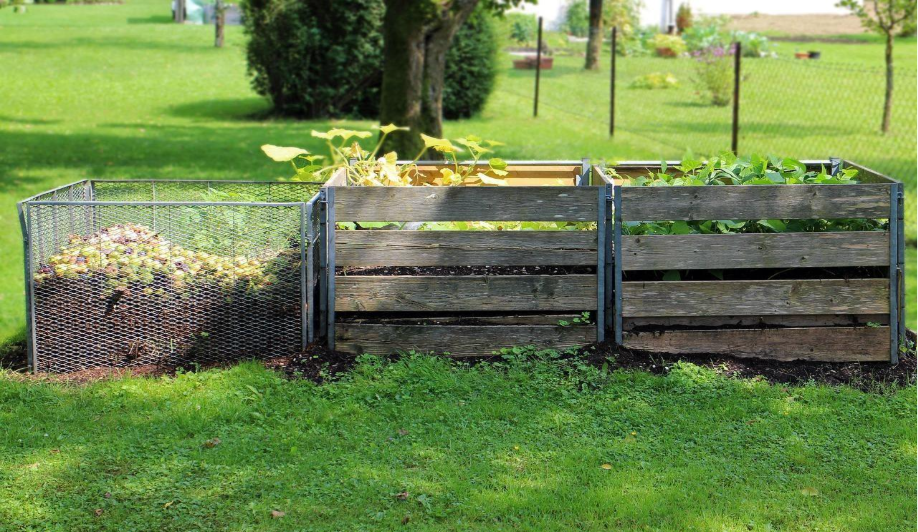
This is the biological closing of the loop: composting. All your food scraps—fruit and vegetable peels, coffee grounds, eggshells, tea bags—along with yard waste are nutrient-rich resources, not garbage. In an anaerobic landfill, this organic matter decomposes and produces methane, a greenhouse gas over 25 times more potent than CO2. In a compost system, it decomposes aerobically,
Creating nutrient-rich humus. This “black gold” revitalizes garden soil, feeds houseplants, and improves lawn health. You can compost in a backyard bin, a tumbler, a compact worm farm (vermicomposting, ideal for apartments), or through a growing number of municipal curbside pickup programs in the US.
Waste Reduction: The Tangible, Visible Heart of a Green Home
Waste reduction is arguably the most accessible and visually rewarding pillar of green living. It directly tackles pollution, conserves resources used in manufacturing, and challenges the very notion of “disposable.”
What Waste Reduction Really Means in Your Day-to-Day Life
True waste reduction means systematically designing waste out of your existence, not just managing it better. It goes far beyond recycling to include refusing unnecessary packaging, choosing products designed for longevity and repairability, and finding innovative second lives for items.
Understanding the deeper zero waste living meaning—a systemic goal of redesigning resource lifecycles so that nothing is discarded—helps frame these daily actions as part of a visionary solution, not just personal tidiness.
The War on Plastic: Practical, High-Impact Swaps for Every Room

Plastic pollution is a pervasive global crisis, but your home can be a plastic-free zone. Start by systematically eliminating the biggest offenders:
- In the Kitchen: Swap plastic wrap for beeswax or soy wax wraps and silicone bowl lids. Swap plastic baggies for reusable silicone stasher bags. Swap plastic-bottled dish soap for a concentrated tablet or powder you mix in a reusable dispenser.
- For Shopping: Always carry reusable totes and produce bags. Exploring well-designed zero waste living products makes these transitions seamless, effective, and even enjoyable.
- In the Bathroom: Swap liquid shampoo/conditioner for solid shampoo and conditioner bars. Swap plastic toothbrushes for bamboo toothbrushes. Swap disposable razors for a stainless steel safety razor.
A Detailed, Room-by-Room Waste Reduction Blueprint

Tackle your home methodically to avoid overwhelm:
- The Kitchen (Your Biggest Impact Zone): Institute a composting system, shop in bulk with your own containers, use cloth napkins and towels, and store food in glass or stainless steel.
- The Bathroom: Transition to bar soap, use toothpaste tablets, opt for plastic-free floss, and explore reusable alternatives for cotton rounds and menstrual products.
- The Living Room: Furnish with secondhand or sustainably made furniture, choose durable decor, maintain electronics, and use smart power strips. You can intentionally design a minimalist, functional zero waste living room that prioritizes timeless quality, natural materials, and multipurpose pieces over trendy, fast-fashion decor.
- The Home Office: Go paperless, use refillable pens, and recycle electronics through certified e-waste programs.
Sustainable Gardening: Cultivating Your Personal Connection to the Earth
Tackle your home methodically to avoid overwhelm:
- The Kitchen (Your Biggest Impact Zone): Institute a composting system, shop in bulk with your own containers, use cloth napkins and towels, and store food in glass or stainless steel.
- The Bathroom: Transition to bar soap, use toothpaste tablets, opt for plastic-free floss, and explore reusable alternatives for cotton rounds and menstrual products.
- The Living Room: Furnish with secondhand or sustainably made furniture, choose durable decor, maintain electronics, and use smart power strips. You can intentionally design a minimalist, functional zero waste living room that prioritizes timeless quality, natural materials, and multipurpose pieces over trendy, fast-fashion decor.
- The Home Office: Go paperless, use refillable pens, and recycle electronics through certified e-waste programs.
Sustainable Gardening: Cultivating Your Personal Connection to the Earth

Gardening is a profound practice that embodies the principles of green living like no other. It promotes local biodiversity, rebuilds soil health, provides hyper-local food, and offers deep mental and physical rewards.
Why Gardening is a Foundational, Transformative Green Habit
It reduces your “food miles” to zero for what you grow, improves local air quality, creates vital habitat and food sources for pollinators (like bees and butterflies), manages stormwater runoff through absorption, and physically reconnects you to the natural cycles of growth, decay, and renewal—the ultimate model of a circular, zero-waste system. It turns consumers into producers.
Moving Beyond Organic: Regenerative Gardening Practices
While organic and chemical-free gardening—avoiding synthetic pesticides and fertilizers—is the essential baseline, strive for regenerative practices. This means actively improving your ecosystem:
- Build living soil by adding homemade compost and using mulch to retain moisture and suppress weeds.
- Practice crop rotation and companion planting to deter pests and improve soil nutrition naturally.
- Save seeds from your healthiest plants to cultivate locally adapted varieties.
- Plant native species to support local wildlife and create a resilient, low-maintenance landscape. Following advanced eco-friendly gardening tips ensures your garden is a net positive for your local environment.
Water Wisdom and the Sacred Practice of Composting
A truly sustainable garden is a water-wise garden. Use mulch generously around plants to drastically reduce evaporation. Set up rain barrels to capture free irrigation water. Water deeply at the coolest times of day to minimize loss. The irreducible heart of any sustainable garden is compost.
Composting for beginners is simple science: layer “greens” (nitrogen-rich food scraps) with “browns” (carbon-rich dry leaves, paper) in a pile or bin, keep it moist and aerated, and let decomposer organisms transform waste into the most potent soil amendment on Earth, closing the nutrient loop perfectly in your own backyard.
The Green Family: Building a Culture of Consciousness Together

A green lifestyle is exponentially more effective, rewarding, and resilient when embraced as a household unit. It’s about moving beyond individual habits to build a shared family culture of mindfulness, responsibility, and connection.
Teaching Kids Through Hands-On Action and Example
Children learn by doing and by observing what you value. Involve them in tangible ways: let them help sort recycling into bins, give them a small plot in the garden to tend, make turning off lights a game, or have them help make DIY playdough or cleaners. Explain the “why” in simple, relatable terms: “We compost our apple core to help make soil for our tomatoes,” or “We use this bag again so it doesn’t end up hurting the turtles in the ocean.” This builds an intrinsic, lifelong foundation for a sustainable lifestyle for families.
Establishing Simple, Effective Eco-Friendly Family Routines
Make the green choice the easy, default choice for everyone in the home.
- Mealtime Routines: Plan weekly menus together based on what’s already in the pantry. Involve kids in washing produce and prepping meals to reduce food waste.
- Cleaning Routines: Use simple, non-toxic cleaners (vinegar, baking soda, castile soap) that are safe for kids to help use, reducing their exposure to harmful VOCs.
- Outing Preparedness: Create a family “go-bag” stocked with reusable water bottles, cloth napkins, and containers for snacks, making low-waste choices automatic on trips.
These eco-friendly family habits not only protect the planet but often save money, create a healthier home environment, and foster teamwork and shared purpose.
Conscious Shopping as a Household Value and Practice
Transform shopping from a passive chore into a mindful family activity. Before a purchase, especially for wants, create a family “wish list” and institute a cooling-off period. Choose experiences (a park visit, a museum trip, a camping weekend) over material goods for birthdays and holidays.
When you do need to buy, research durable, ethical options together, making sustainability a shared family value expressed through your spending.
The Green Home: Transforming Your Living Space into an Eco-Haven
Your home is the primary stage for your green lifestyle. It’s where you have the most control. Strategic upgrades and habit shifts here have a massive, cumulative impact on your footprint and your living expenses.
Saving Energy & Lowering Your Household Carbon Footprint

This is the clearest win for both your wallet and the climate.
- Lighting: Swap every incandescent and CFL bulb for LEDs, which use at least 75% less energy and last 25 times longer.
- Electronics: Use smart power strips to completely eliminate “phantom load” (the energy electronics suck when “off” but plugged in).
- Envelope: Seal drafts around windows, doors, and outlets with weatherstripping and caulk. Ensure your attic has adequate insulation.
- Climate Control: Install a programmable or smart thermostat to automatically lower heating at night and raise cooling when you’re away.
Every Drop Counts: A Comprehensive Approach to Water Conservation

Fresh water is a critical, finite resource. A conscious home uses it wisely:
- Fixtures: Install low-flow faucet aerators and showerheads. A low-flow showerhead can save over 2,700 gallons per year.
- Maintenance: Fix dripping taps immediately; a single drip per second wastes over 3,000 gallons annually.
- Appliances: Only run full loads in dishwashers and washing machines (modern dishwashers are often more water-efficient than hand-washing).
- Outdoors: Collect rainwater in barrels for irrigation and choose native, drought-tolerant plants for landscaping.
Cultivating a Non-Toxic, Health-Promoting Home Environment

Conventional cleaners, air fresheners, and synthetic furnishings can pollute indoor air with VOCs. Opt for true green living at home by:
- Making your own effective cleaners (e.g., all-purpose spray: 1:1 water and distilled white vinegar; add citrus peels for scent).
- Choosing brands with full ingredient transparency and biodegradable, plant-based formulas.
- Using reusable cleaning tools like Swedish dishcloths, cellulose sponges, and brushes instead of disposable wipes and paper towels.
- Improving ventilation and decorating with houseplants that can help filter indoor air, such as snake plants and peace lilies.
Food for Thought: The Profound Impact of Your Green Plate
What you choose to eat three times a day is one of the most personal and powerful environmental levers you possess. Your diet directly affects land use, water consumption, greenhouse gas emissions, and biodiversity.
The Significant Impact of Shifting Toward Plant-Based Eating

You do not need to adopt a strict vegan diet to make a substantial difference. Simply reducing meat and dairy consumption, particularly from industrial-scale animal agriculture, significantly lowers your carbon and water footprint. Embracing practices like “Meatless Mondays,” treating meat as a condiment rather than a centerpiece, and discovering the vast world of plant-based proteins (lentils, beans, tofu, tempeh, nuts) are impactful and healthful steps.
Slashing Household Food Waste: A Moral and Economic Imperative

Globally, roughly one-third of all food produced is lost or wasted. This represents a staggering waste of resources. Combat this systematically:
- Plan and Shop Smart: Create weekly meal plans based on what you already have. Shop with a precise list and avoid shopping hungry.
- Store Food Intelligently: Learn proper storage (e.g., tomatoes and potatoes should not be refrigerated; herbs last longer in a jar of water).
- Embrace “Ugly” Produce: Misshapen fruits and vegetables are just as nutritious and often cheaper.
- Get Creative with Leftovers and Scraps: Stale bread becomes croutons or breadcrumbs; vegetable ends and peels become a flavorful homemade stock; overripe fruit goes into smoothies or baking.
The Power of Local, Seasonal, and Regeneratively Grown Foods
When your budget and location allow, prioritize locally grown, seasonal foods. This supports your regional farmers and economy, drastically cuts “food miles” (the emissions from transportation), and often results in fresher, more nutrient-dense food on your table. Seek out farmers who use regenerative agricultural practices that rebuild soil organic matter and enhance biodiversity.
Conscious Consumption: The Antidote to a Throwaway Culture
A green lifestyle requires a fundamental paradigm shift in our relationship with material “stuff”—from mindless consumption to mindful curation. It’s about buying less but choosing extremely well.
Understanding and Rejecting the True Cost of Fast Fashion
The fashion industry is a top global polluter of water and a major carbon emitter. Combat this by:
- Buying Less: Adopt a capsule wardrobe mentality. Choose versatile, high-quality, timeless pieces.
- Shopping Secondhand First: Make thrift stores, consignment shops, and online resale platforms your primary source for clothing.
- Caring For and Repairing: Wash clothes in cold water, air-dry when possible, and learn basic mending skills to extend garment life for years.
- Supporting Ethical and Sustainable Brands: When buying new, research brands committed to fair wages, safe working conditions, and eco-friendly materials like organic cotton, Tencel, or recycled fabrics.
Navigating the Marketplace: Decoding Eco-Labels and Spotting Greenwashing

As demand for green products grows, so does misleading marketing. Arm yourself with knowledge:
- Look for Trusted, Independent Certifications: These include Fair Trade International (fair labor), Global Organic Textile Standard (GOTS) (organic fibers), Energy Star (appliance efficiency), Forest Stewardship Council (FSC) (sustainably sourced wood/paper), and EWG Verified (safer personal care/cleaning products).
- Be Skeptical of Vague Claims: Terms like “green,” “natural,” “eco-friendly,” or “chemical-free” are largely unregulated and meaningless without proof. This is greenwashing. Scrutinize ingredient lists and look for specific, verifiable information.
The Multifaceted Benefits: Why It All Matters Profoundly
The rewards of committing to a green lifestyle are profound, tangible, and multi-layered, touching every aspect of your life.
H3: Direct and Tangible Environmental Benefits
Your actions directly contribute to measurable positive outcomes: cleaner air from reduced fossil fuel combustion, healthier waterways from less chemical runoff and plastic pollution, reduced pressure on landfills, lower overall greenhouse gas emissions mitigating climate change, and the conservation of biodiversity and natural habitats for countless species.
Significant Health and Personal Well-being Benefits
Living green often correlates with living healthier. You tend to consume a more nutritious, whole-foods-based diet. You reduce exposure to harmful endocrine disruptors found in many plastics and conventional cleaning products. The physical activity of gardening or biking instead of driving improves fitness. Perhaps most importantly,
living in alignment with your values reduces cognitive dissonance and eco-anxiety, providing a profound sense of purpose, agency, and mental peace.
Real and Lasting Financial Benefits

This is where myth meets reality: green living saves you money. Lower utility bills from energy and water conservation, reduced spending on disposable products and single-use items, less money wasted on spoiled food, and longer intervals between replacing durable goods all add up to significant household savings over months and years, proving that environmental responsibility is also economic prudence.
Hour Personalized Green Lifestyle Action Plan: Start Today, Build Forever
Beginning is simpler than you think. The key is to start small, build on success, and focus on progress, not an unattainable ideal of perfection.
Five Foundational Habits to Confidently Start This Week
- The Refusal Habit: Consciously refuse one single-use item every day this week—a plastic straw, a receipt, a disposable bag.
- The Compost Catalyst: Start a small countertop compost bin or find your local community garden drop-off. Commit to collecting food scraps.
- The 10-Minute Home Energy Audit: Walk through your home. Unplug unused chargers and appliances. Check windows and doors for drafts. Note any lights that could be switched to LEDs.
- The Meal-Planning Pivot: Plan your dinners for the next three days only, shop from a list based on that plan, and cook what you buy.
- The Cleaner Swap: Replace one conventional cleaning product under your sink with a simple DIY version (vinegar solution) or a certified non-toxic brand.
Setting SMART Sustainability Goals for Lasting Change
Move from vague intentions to clear targets. Use the SMART framework:
Specific, Measurable, Achievable, Relevant, Time-bound.
- Vague Goal: “I want to waste less plastic.”
- SMART Goal: “For the entire month of October, I will do my grocery shopping using only my own reusable bags and produce bags, and I will not purchase any beverages in single-use plastic bottles.”
H2: Frequently Asked Questions (FAQ)
Q: Is it really possible to live a green lifestyle in an apartment in a big city?
A: Absolutely, and urban living in the USA offers unique advantages. Focus on what you control: your consumption, your waste sorting, your energy use, and your buying power.
Use municipal compost programs if available. Shop at farmers’ markets. Utilize public transit, biking, and walking. Advocate for building-wide recycling and composting. Your influence as a conscious urban consumer is powerful.
Q: I’m on a very tight budget. Where should I put my limited money first?
A: Do not feel pressure to spend money. The most impactful green actions are free or save you money immediately. Start with the free principles: Refuse, Reduce, Reuse.
Your first and most cost-effective investments should be a durable reusable water bottle and a set of reusable shopping bags. After that, prioritize items that stop recurring costs, like a reusable coffee cup (saves on cafe discounts) or LED bulbs (save on electricity).
Q: How do I deal with friends or family who are skeptical or dismissive of my green efforts?
A: Lead with enthusiastic example, not with judgment or lecture. Share the delicious home-cooked meal you made from leftovers, talk about the money you saved on your electric bill, or invite them to join you on a fun thrift store trip.
Often, the visible positive results—happier plants from your compost, a simpler home, extra cash—are the most persuasive arguments. Your consistent, positive demeanor will do more to inspire curiosity than any debate.
Q: I feel overwhelmed by all the changes. Where is the single most important place for a beginner to start?
A: The single most powerful and simple place to start is with your kitchen food waste. Begin composting your fruit and vegetable scraps. This one action immediately diverts a major portion of household waste from landfills (where it creates methane), creates a valuable resource for plants, and tangibly connects you to a natural cycle. It’s a visible, satisfying win that naturally leads to other mindful habits like meal planning to reduce waste. Don’t try to change everything at once; master this one system first.
Q: Are electric vehicles (EVs) and solar panels necessary for a truly green lifestyle?
A: While EVs and rooftop solar are impactful long-term investments for reducing fossil fuel dependence, they are not prerequisites for a legitimate green lifestyle. For most people, they come later in the journey, if at all.
Far more critical are the daily habit foundations: reducing overall energy consumption in your home, minimizing driving through trip consolidation, using public transit, and supporting community solar or green energy programs through your utility provider. These behavioral and advocacy steps often have a more immediate collective impact and should be the initial focus.
Q: How do I handle situations where a green option isn’t available, or I have to make a less-sustainable choice?
A: This is the reality of “progress, not perfection.” The goal is to make the best choice available to you, not a perfect one. If you forget your reusable bag, ask for paper or carry items without a bag. If a medication comes in non-recyclable plastic, your health comes first. The key is to avoid the “all-or-nothing” trap. One less-sustainable choice does not negate all your other efforts. Acknowledge it, learn from it (maybe keep a spare reusable bag in your car), and move on. Your overall consistent direction matters infinitely more than occasional exceptions.
H2: Conclusion: Your Purposeful Journey Starts Right Now

A green lifestyle is not a distant destination marked by a certificate of purity, but an ongoing, rewarding journey defined by mindful awareness and continuous progress. It’s a powerful series of intentional choices that collectively protect our precious environment, strengthen the fabric of our communities, and profoundly improve our own quality of life.
This guide has provided the foundational philosophy, the actionable framework, and the first practical steps.The power to foster meaningful change lies in your daily decisions. Start with one. Then another. Build your habits with patience, share your journey generously, and become an integral part of the growing, hopeful movement that is actively shaping a healthier, more resilient, and vibrant future for all. Your unique, impactful green life begins today, with your very next choice