

The Hidden Thief in Your Home
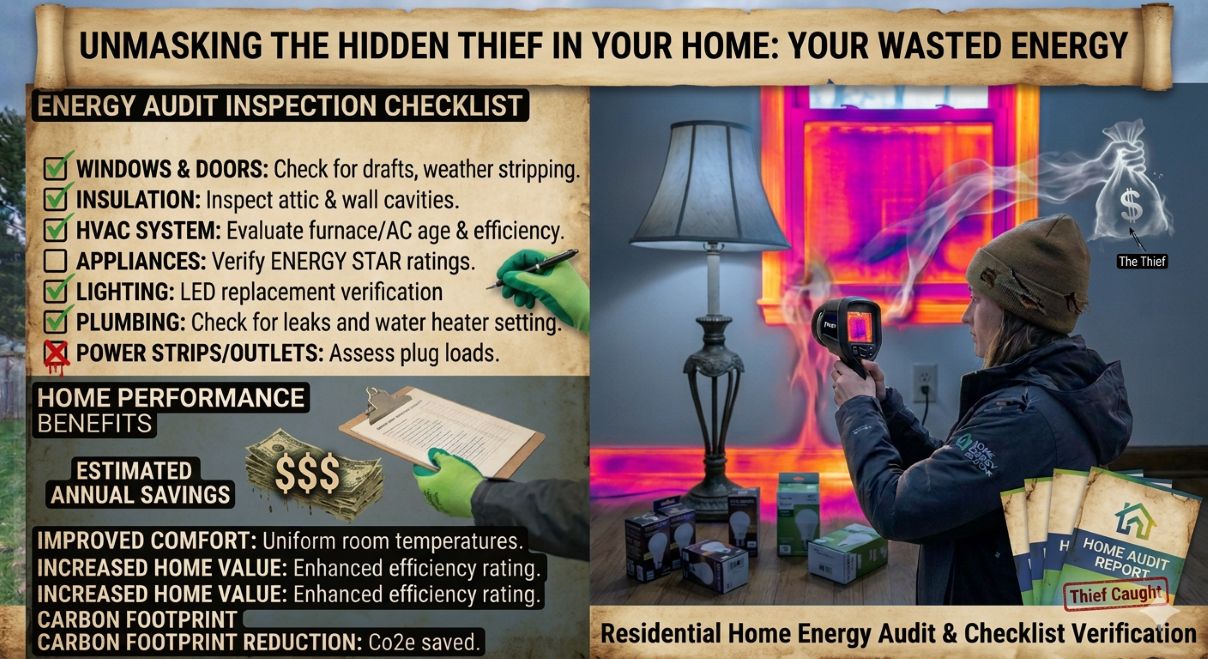
Most of us don’t think about energy efficiency until the monthly utility bill arrives. Energy efficiency problems are the “hidden thieves” of the modern household—wasting power and draining your wallet .
The reality in 2026 is stark. Inefficient energy use increases costs and inflates your carbon footprint. However, understanding the root causes is the first step toward reclaiming your budget. This guide walks you through common energy efficiency challenges and solutions, their impacts, and practical fixes that stop the waste .
Understanding Energy Efficiency Problems
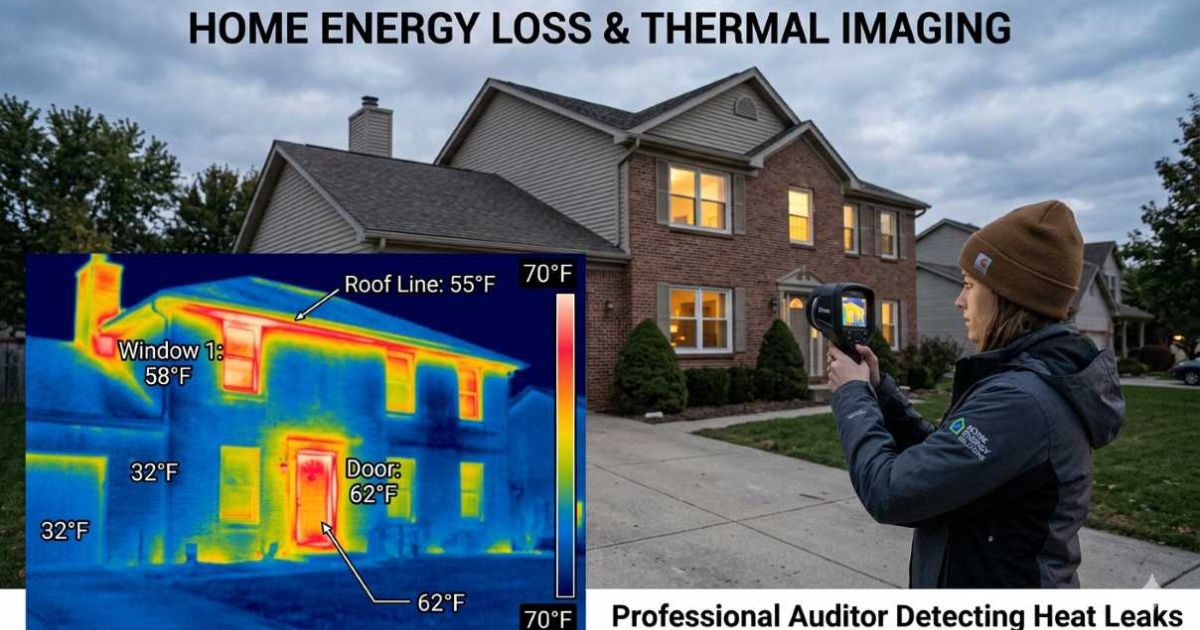
An energy efficiency problem occurs when a system uses more energy than physically required. Most homes operate like a bucket with holes—leaking heat, wasting power, and driving up bills .
For instance, if walls lack insulation, heat escapes outdoors. As a result, your furnace overworks, consuming far more fuel than a sealed home would require .
The Legacy Building Gap
Homes built decades ago followed lower energy standards. Consequently, they experience chronic energy loss. Combine an aging building envelope with outdated appliances, and you get a perfect storm of waste .
According to the International Energy Agency (IEA) , efficiency is the “first fuel”—the fastest way to reduce energy demand.
Common Red Flags:
- Thermal Bypass: Heat escaping through gaps
- Vampire Loads: Electronics drawing power when “off”
- Short-Cycling: HVAC turning on/off too frequently
- Cold Spots: Rooms never comfortable
- Ice Dams: Heat escaping through attic
Energy Efficiency Challenges and Solutions
Most household efficiency challenges fall into three categories: structural, mechanical, and behavioral .
Challenge 1: Inadequate Insulation
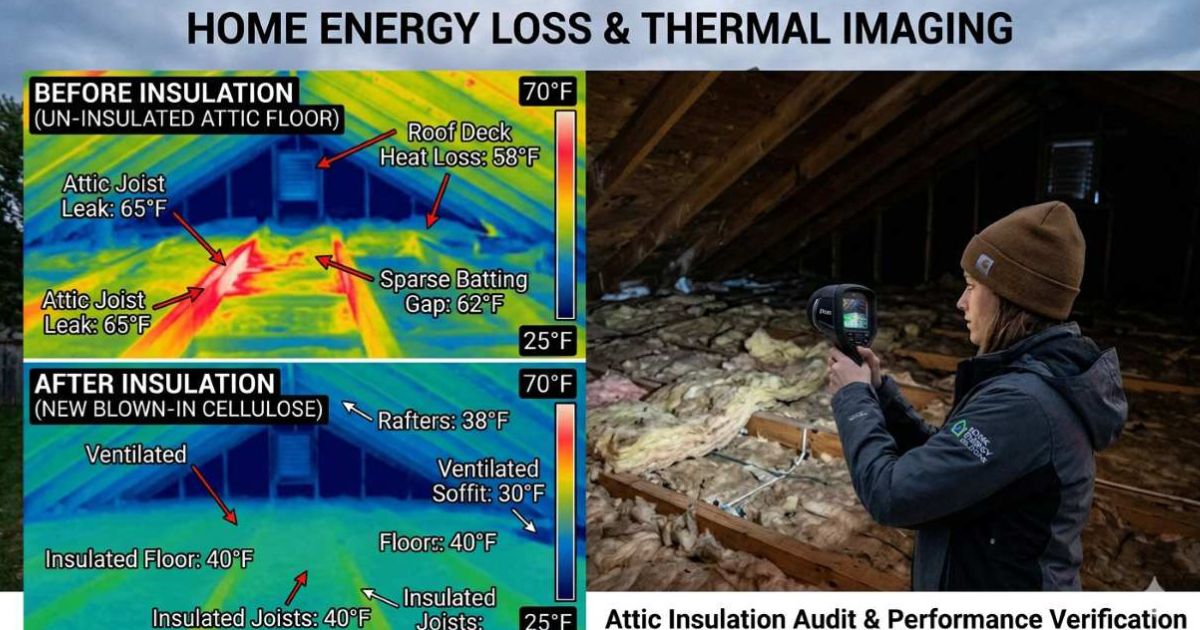
Inadequate insulation is the primary cause of energy waste. Heat rises—without a proper barrier, it escapes through the attic in winter and pours in during summer .
The Solution: Focus on the attic first. DOE recommends R-49 to R-60 (15-20 inches of insulation) . Studies show insulation alone can reduce heating energy by 30% .
Challenge 2: Old HVAC Systems
An old furnace might have 70% AFUE—meaning 30% of fuel goes up the chimney . Modern furnaces reach
98.5%
efficiency, extracting nearly all heat from every fuel dollar .
The Solution: While upfront cost is higher, Total Cost of Ownership is lower over 15 years. Heat pumps achieve 300-400% efficiency by moving heat rather than generating it .
Challenge 3: Inefficient Lighting
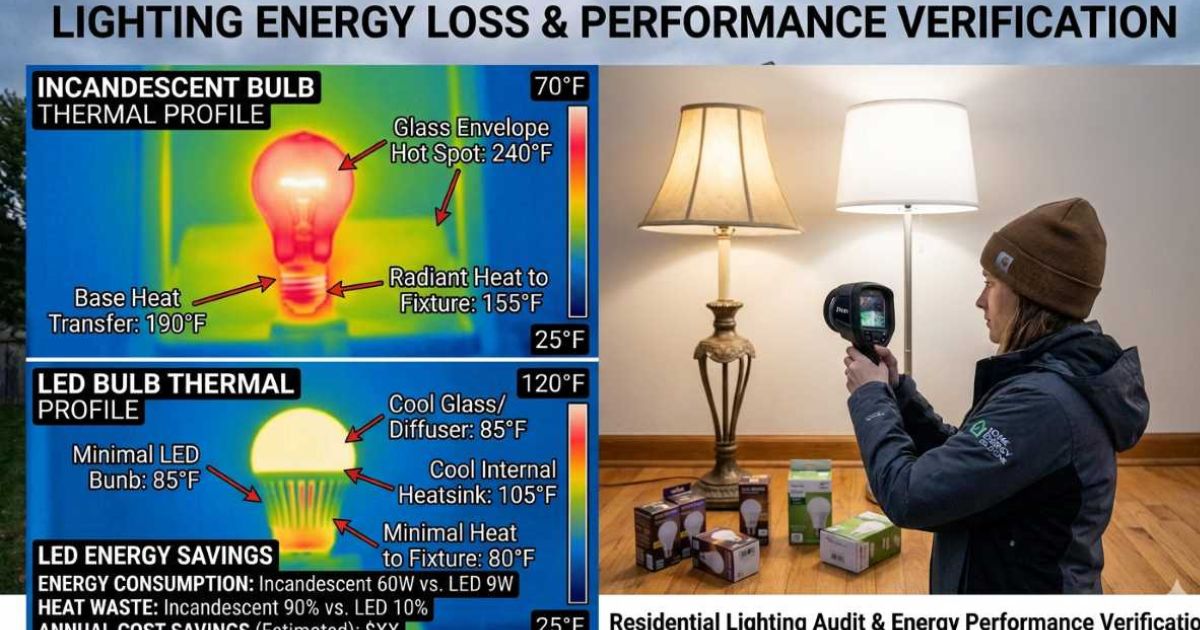
Incandescent bulbs convert 90% of energy into heat, not light . They’re essentially small heaters.
The Solution: LEDs use 75% less energy and last 25 times longer . In summer, they also reduce cooling load by not dumping waste heat into your home .
Challenge 4: Building Design Issues
Fenestration (window placement) matters. Poorly positioned west-facing windows cause massive solar heat gain in summer, forcing AC to overwork .
Thermal bridging occurs when conductive materials (metal studs, concrete) create paths for heat to bypass insulation . It’s like a winter coat with a metal zipper against your skin.
The Solution: Low-E window coatings and continuous insulation wrap the entire building in a thermal blanket .
Practice Problems — Calculate Your ROI
Let’s do the math. These “practice problems” show your potential savings.
Problem 1: The Lighting Swap
Replace 20 incandescent bulbs (60W) with 20 LEDs (9W) . Run them 5 hours/day at $0.15/kWh .
Annual savings: 1,861.5 kWh = $279 saved per year .
Problem 2: The Thermostat Rule
For every 1°C you lower heat for 8 hours, save 1% on heating . With a $300 monthly bill , dropping 3°C at night saves:
$9/month × 5 heating months = $45 annually —with zero investment .
Problem 3: Appliance Upgrade
Old fridge: 1,200 kWh/year . New ENERGY STAR: 350 kWh/year . At $0.15/kWh :
Annual savings: 850 kWh = $127.50 . New fridge cost $1,200 = 9.4-year payback (well within its lifespan) .
The Economics of Efficiency
| Upgrade | Typical Cost | Annual Savings | ROI Period |
|---|---|---|---|
| LED Lighting | $50-$100 | $150-$250 | < 1 Year |
| Smart Thermostat | $130-$250 | $100-$150 | 1-2 Years |
| Attic Insulation | $500-$1,500 | $200-$400 | 3-5 Years |
| Heat Pump Water Heater | $1,200-$2,500 | $300-$500 | 4-6 Years |
The Comfort Premium
Efficient homes have no “cold spots” , better indoor air quality, and run quieter . They maintain stable temperatures and reduce dust infiltration .
Property Value Impact
In 2026, Energy Performance Certificates are major selling points . Homes with documented efficiency sell faster and for higher prices . Efficiency pays twice—lower bills now, higher resale value later .
Your DIY Home Energy Audit Checklist
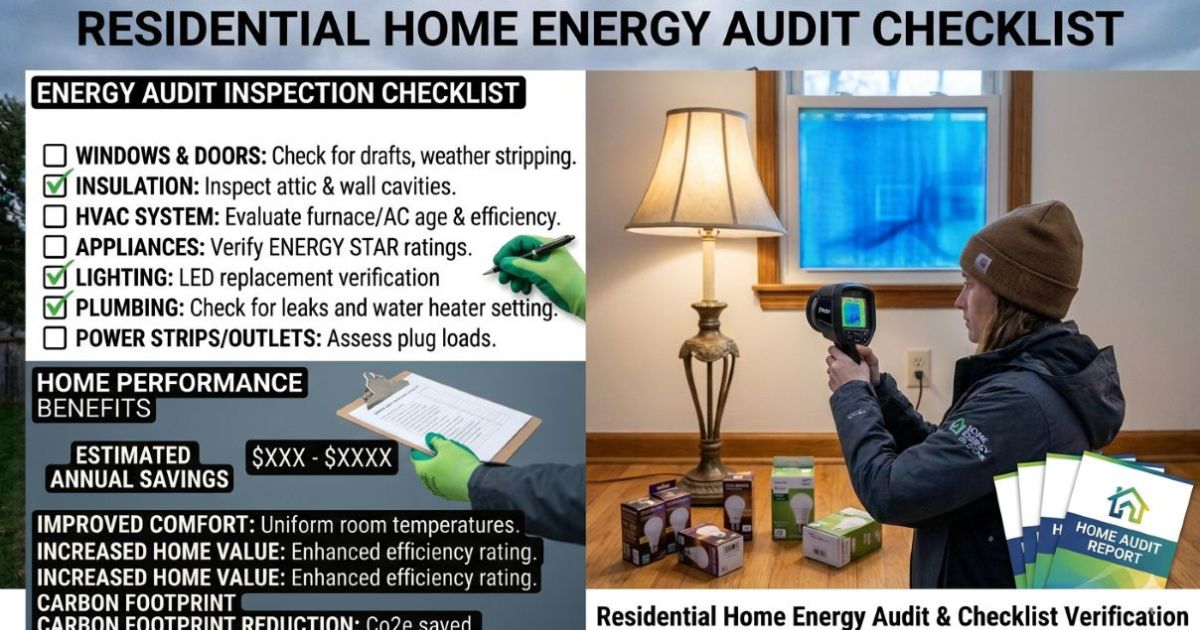
Start your own audit today:
1. Check the Attic
If you can see floor joists, you need more insulation. Aim for R-49 to R-60 (15-20 inches) .
2. Inspect Penetrations
Seal gaps where pipes and wires enter the attic with spray foam. Ensure recessed lights are IC-rated for safe insulation contact .
3. The Incense Test
On a windy day, light incense near windows and outlets. If smoke wavers, you have air leaks . Seal with weatherstripping or caulk
4. Audit Vampire Loads
Electronics draw power even “off”—costing $100-$200 annually . Use power strips to cut power completely .
5. Check HVAC Filters
Dirty filters force systems to overwork. Check monthly, replace every 90 days (more with pets) .
Frequently Asked Questions
Biggest cause of energy loss?
Air leakage and poor attic insulation—they account for most heat transfer .
Are efficient appliances worth it?
Yes. Total Cost of Ownership is lower over 10-15 years despite higher upfront cost .
Savings from insulation?
15-30% on heating/cooling costs, with payback in 3-5 years .
Do smart thermostats save money?
Yes—10-15% on heating, 15% on cooling when used correctly .
Fastest way to start saving?
LED bulbs and a smart thermostat—both pay back in under a year .
Conclusion — Start Your Efficiency Journey
Energy efficiency problems affect both your budget and the environment. However, the path to an efficient home is paved with practical steps anyone can take .
Start with small wins—LEDs and weatherstripping—then move to larger investments like insulation and HVAC upgrades. Every watt saved compounds over time .
In the long run, efficiency creates a home that is resilient, comfortable, and ready for a sustainable future .