

Introduction: Why Energy Efficiency Matters More Than Ever in 2026 To 2029

Energy efficiency has transformed from a nice-to-have feature into an absolute necessity for American households and businesses. Electricity rates continue climbing across states like California, New York, Texas, and Florida, putting pressure on monthly budgets. Meanwhile, extreme weather events—from scorching heat waves to bitter cold snaps—test the resilience of our aging power grid.
The numbers tell a compelling story. According to the U.S. Department of Energy, residential and commercial buildings guzzle roughly 40% of all energy consumed in America. That’s a staggering figure when you consider how much of that energy literally leaks out through poorly insulated walls, inefficient windows, and outdated appliances.
Here’s the good news: Americans now have more tools, incentives, and technologies than ever to fight back against rising energy costs. The Inflation Reduction Act unlocked billions in tax credits and rebates. ENERGY Star continues setting higher standards for appliances. Solar panel costs have plummeted over the past decade. And smart home technology puts energy management literally at our fingertips.
Understanding Energy Efficiency: More Than Just Saving Energy
This comprehensive guide walks you through every aspect of energy efficiency relevant to U.S. homeowners and businesses in 2026. We’ll explore practical upgrades, calculate realistic returns on investment, and help you navigate the complex world of federal and state incentives. By the end, you’ll have a clear roadmap to lower bills, increased comfort, and higher property value.
Let’s start with a clear definition. Energy efficiency means accomplishing the same task—whether heating your home, running your dishwasher, or lighting your office—while using less energy. It’s not about sacrifice or doing without. Quite the opposite, actually. Efficiency is about working smarter, not harder.
The Difference Between Efficiency and Conservation
Many people confuse these two related but distinct concepts. First, energy conservation involves behavioral changes. For example, you turn off lights when leaving a room. Additionally, you lower the thermostat at night or hang-dry laundry instead of using the dryer. As a result, these actions save energy, but they require ongoing effort and may reduce comfort.
In contrast, energy efficiency involves permanent upgrades that automatically reduce energy waste. For example, replacing bulbs with LEDs or adding insulation creates continuous savings without effort. As a result, your home uses less energy while maintaining the same comfort.
Why Experts Call Efficiency the “First Fuel”
The U.S. Environmental Protection Agency and Department of Energy frequently refer to energy efficiency as the “first fuel.” Here’s why: saving a unit of energy through efficiency almost always costs less than generating that same unit from any power source. Building a new power plant requires enormous capital investment. Maintaining transmission lines costs money. Fuel prices fluctuate. But efficiency? Once you install insulation or upgrade to an efficient HVAC system, the savings keep flowing for decades with virtually no ongoing cost.
Consider this perspective: The cleanest, cheapest energy is the energy you never use in the first place. That simple insight drives federal policy, utility programs, and smart homeowner decisions across America.
The Compelling Case for Energy Efficiency in Today’s America
Rising Utility Costs Hit Harder Every Year
Electricity rates across the United States have climbed steadily, with no end in sight. California residents now pay among the highest rates in the continental U.S. Texas, despite its independent grid, has seen bills spike during extreme weather events. New York and New England face some of the highest heating costs nationally.
Energy efficiency acts as a shield against these rising costs. Every kilowatt-hour you save is money that stays in your pocket rather than flowing to the utility company. When you combine multiple efficiency upgrades, the savings compound dramatically over time.
Extreme Weather Demands Resilient Homes
Remember the Texas freeze of 2021? Or the record-breaking heat waves scorching the Pacific Northwest? Climate patterns are shifting, and American homes must adapt. Efficient homes maintain comfortable temperatures longer during power outages. They place less strain on HVAC systems during extreme conditions. And they reduce overall demand on the grid precisely when it matters most—during peak usage periods.
Federal Incentives Finally Make Efficiency Affordable
The Inflation Reduction Act represents the most significant federal investment in energy efficiency in American history. Homeowners can now claim tax credits covering up to 30% of costs for:
- Solar panel installations
- Heat pumps and heat pump water heaters
- Insulation and air sealing materials
- ENERGY STAR windows and doors
- Electrical panel upgrades
- Battery storage systems
These incentives dramatically shorten payback periods and make once-prohibitively expensive upgrades accessible to average families.
Property Values Reflect Efficiency Upgrades
Real estate data consistently shows that energy-efficient homes command premium prices and sell faster than comparable inefficient properties. Today’s homebuyers, particularly younger generations, actively seek homes with solar panels, updated insulation, modern HVAC systems, and smart technology. They understand that lower utility bills translate directly to more affordable homeownership.
Residential Energy Efficiency: Where Should You Start?
American households spend thousands annually on energy. Understanding where that money goes helps prioritize upgrades for maximum impact.
Breaking Down Home Energy Usage
The typical U.S. home allocates energy roughly as follows:
- Heating and cooling: 40-50% of total consumption
- Water heating: 15-20%
- Lighting: 5-10%
- Refrigeration: 5-8%
- Electronics and appliances: 10-15%
- Other uses: remaining percentage
This breakdown immediately reveals the biggest opportunities. Tackle heating and cooling first, and you’ve addressed nearly half the problem.
The Efficiency Pyramid Approach
Smart homeowners follow a logical progression:
- Reduce demand first through insulation, air sealing, and efficient windows
- Upgrade equipment second with high-efficiency HVAC, water heaters, and appliances
- Generate power third through solar panels or other renewable systems
- Manage smartly always using automation and monitoring
Skipping steps leads to oversizing and overspending. Install solar before insulating, and you’ll need more panels to offset wasteful energy use. Follow the pyramid for optimal results.
Insulation: The Highest ROI Upgrade You Can Make
Industry experts and government agencies agree: insulation delivers the fastest payback of any home efficiency improvement.
Case Study: Attic Insulation Payback
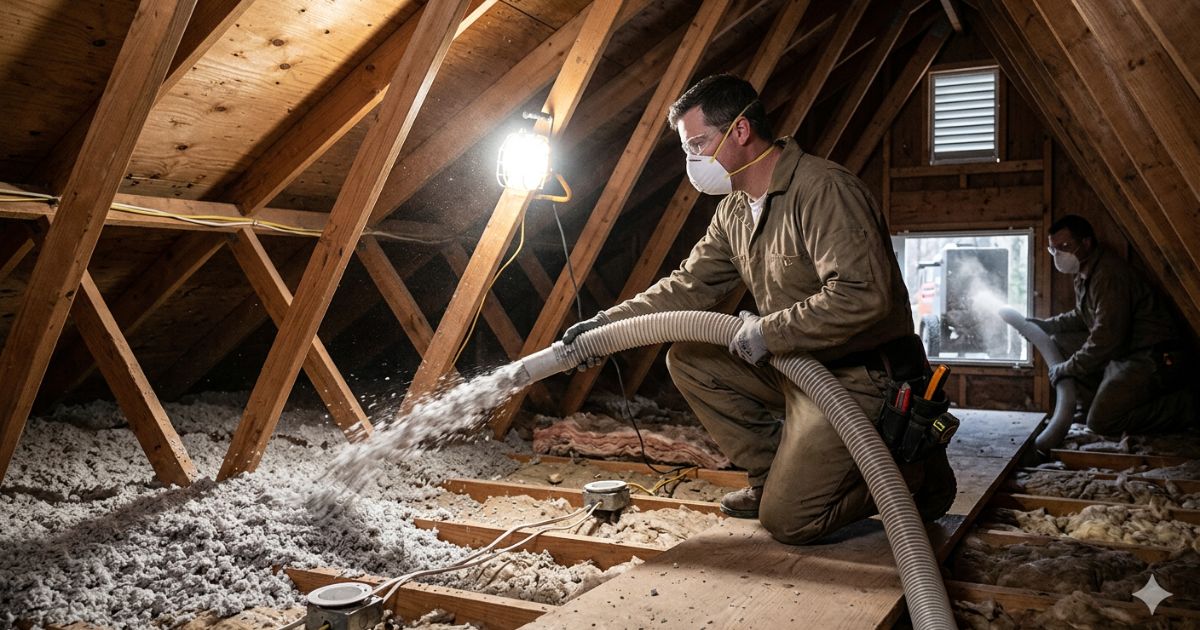
Consider a typical 2,000-square-foot home in a cold climate with inadequate attic insulation. Adding R-38 insulation might cost $2,000-3,000. Annual heating and cooling savings often reach $400-600. That’s a payback period of just 4-6 years. After that, savings continue for the life of the home—potentially 30 years or more.
Understanding R-Value and Climate Zones
R-value measures insulation’s resistance to heat flow. Higher numbers mean better performance. The U.S. Department of Energy divides the country into climate zones with specific recommendations:
- Zone 1 (hot climates like Florida, Hawaii): R-30 to R-49 attic insulation
- Zone 2 (warm climates like Texas, Gulf Coast): R-30 to R-60
- Zone 3 (mixed climates like Tennessee, Virginia): R-38 to R-60
- Zone 4 (cool climates like Ohio, Pennsylvania): R-49 to R-60
- Zone 5-8 (cold climates like Minnesota, Maine): R-49 to R-60
Check your zone and current insulation levels before planning upgrades.
Insulation Types Compared
Fiberglass Batts and Rolls
The most common and affordable option. Available at any home center. Best for standard stud spacing and simple attic floors. Requires careful installation to avoid gaps and compression.
Spray Foam Insulation
Provides highest R-value per inch (typically R-6 to R-7). Excellent air sealing properties. Ideal for rim joists, attic edges, and irregular spaces. Higher upfront cost but superior performance.
Cellulose Insulation
Made from recycled paper products. Treated for fire resistance. Blown-in application fills gaps effectively. Environmentally friendly choice with good thermal performance.
Rigid Foam Boards
Perfect for basement walls, exterior sheathing, and cathedral ceilings. Resists moisture. Provides continuous insulation without thermal bridging.
Air Sealing: The Essential Partner to Insulation
Here’s a crucial point many homeowners miss: insulation without air sealing is like wearing a winter coat with the zipper open. Air leaks through gaps, cracks, and penetrations can waste 20-30% of heating and cooling energy.
Common air leakage locations include:
- Attic hatches and pull-down stairs
- Recessed lighting fixtures
- Plumbing and electrical penetrations
- Windows and door frames
- Ductwork connections
- Rim joists and band boards
- Fireplace dampers
Sealing these gaps with caulk, spray foam, or weatherstripping costs relatively little but delivers substantial savings.
Insulation Tax Credits and Incentives
The Inflation Reduction Act offers tax credits covering 30% of insulation material costs, up to $1,200 annually. Some states and utilities add their own rebates. Check the ENERGY STAR website or Database of State Incentives for Renewables and Efficiency for current offerings in your area.
HVAC Efficiency: Heating and Cooling Optimization
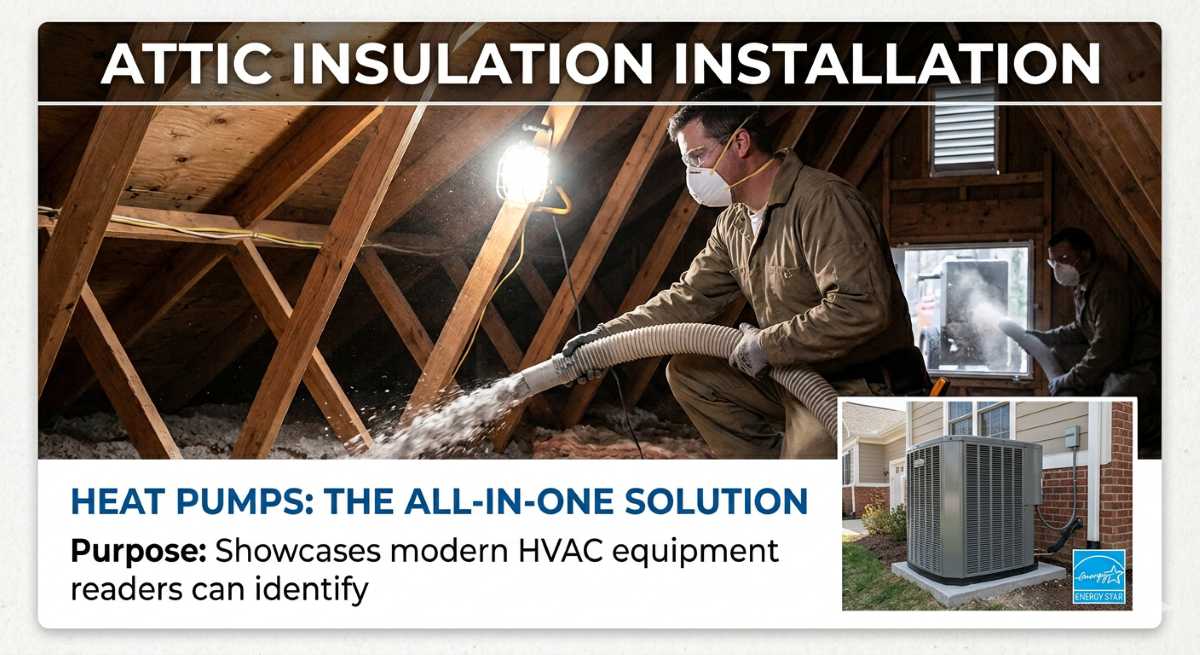
Since heating and cooling represent the largest energy expense in most homes, optimizing your HVAC system should be priority number one.
Understanding HVAC Efficiency Ratings
Furnaces use AFUE (Annual Fuel Utilization Efficiency) . This percentage measures how much fuel converts to heat versus escaping up the chimney. Minimum standards are around 80%, but high-efficiency models reach 95-98% AFUE. Every percentage point translates to real fuel savings.
Air conditioners and heat pumps use SEER2 (Seasonal Energy Efficiency Ratio) . Higher numbers mean greater efficiency. Minimum standards now sit at 14-15 SEER2 depending on region, while premium models reach 20+ SEER2.
Heat pumps also carry HSPF2 (Heating Seasonal Performance Factor) for heating mode. Look for ratings above 8.5 in cold climates.
Heat Pumps: The All-in-One Solution
Heat pumps have revolutionized home comfort. These systems provide both heating and cooling using electricity rather than burning fuel. Modern cold-climate heat pumps maintain efficiency even when outdoor temperatures drop well below freezing.
Advantages include:
- Single system for year-round comfort
- Excellent efficiency in moderate climates
- Qualifies for generous federal tax credits
- Can integrate with solar panel systems
- No combustion means no carbon monoxide risk
Ground-source (geothermal) heat pumps offer even higher efficiency by exchanging heat with the earth rather than outdoor air. Installation costs run higher, but long-term savings and durability often justify the investment.
Ductwork: The Hidden Efficiency Opportunity
Your HVAC system could be perfect, but leaky ducts waste 20-30% of conditioned air before it reaches living spaces. Ducts running through attics, crawlspaces, or basements lose even more energy through conduction.
Professional duct sealing using mastic or aerosol-based methods can dramatically improve system performance. Adding insulation to ducts in unconditioned spaces further reduces losses.
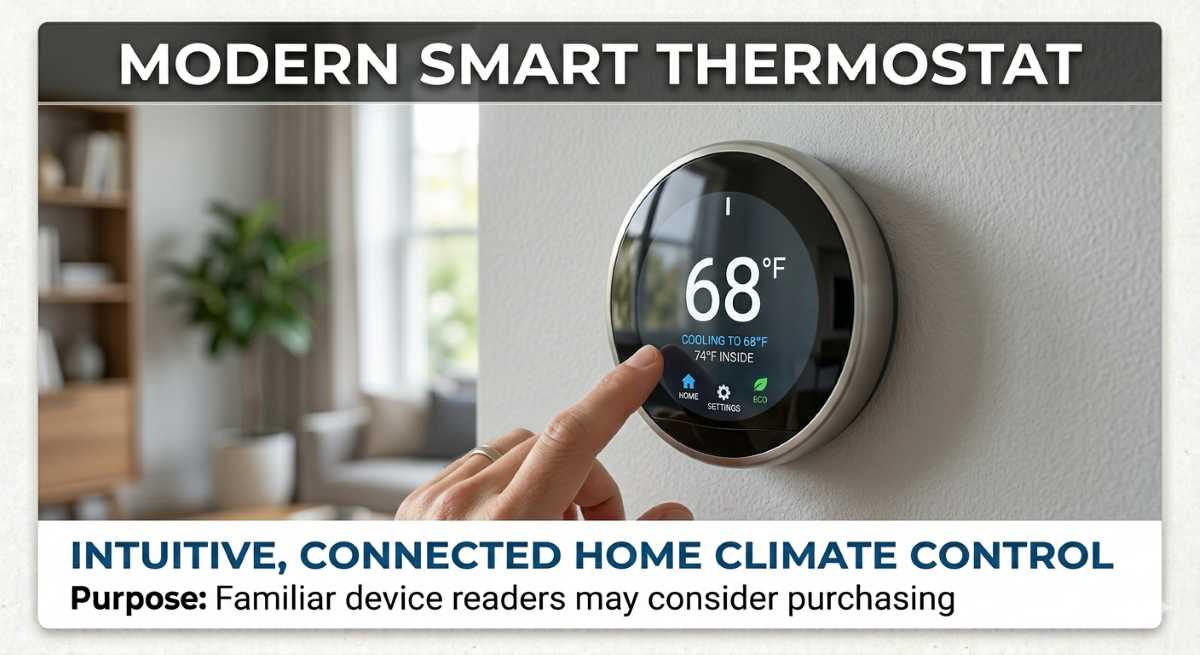
Smart Thermostats Deliver Automatic Savings
Programmable and smart thermostats have evolved from convenience items to essential efficiency tools. Models like Nest, ecobee, and Honeywell Home learn your schedule, adjust temperatures automatically, and provide detailed energy usage reports.
Typical savings range from 10-15% on heating and cooling costs. The devices pay for themselves within a year or two and continue saving for years afterward.
Solar Energy Systems for American Homes
Solar power has moved from early-adopter technology to mainstream energy solution. Prices have dropped over 70% in the past decade, and financing options make installation accessible to most homeowners.
How Solar Complements Energy Efficiency
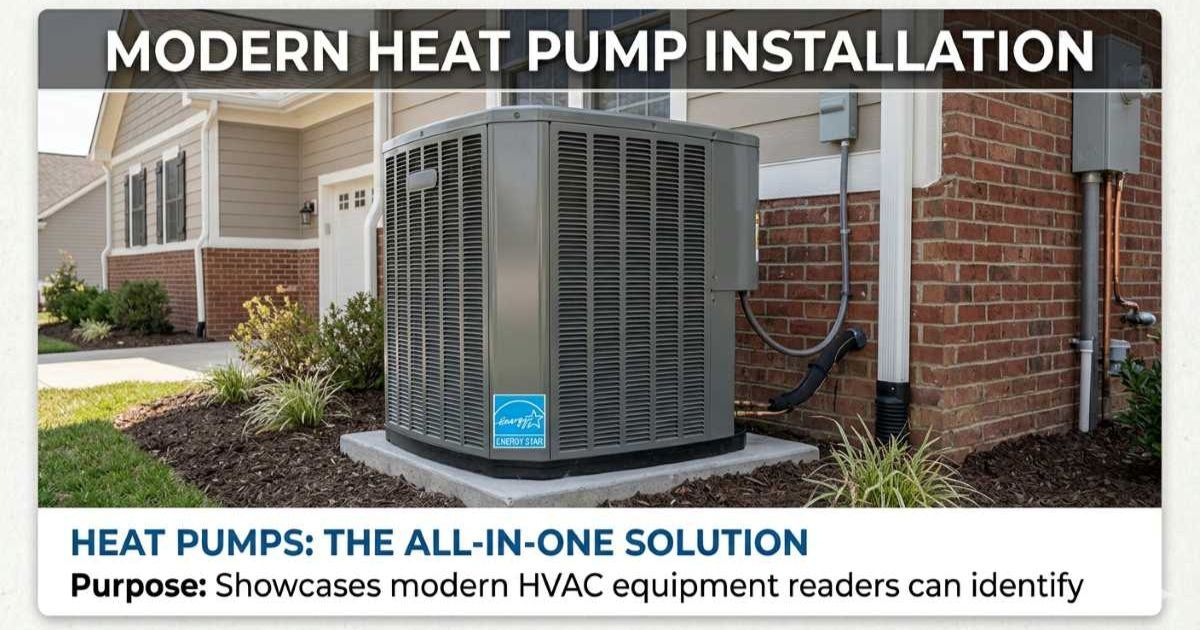
Here’s an important distinction: solar panels generate clean electricity, but they don’t reduce your home’s energy consumption. That’s why efficiency comes first. An efficient home needs fewer solar panels to achieve net-zero energy use, lowering your upfront investment.
When you combine deep efficiency upgrades with solar panels, magic happens. Your utility bills approach zero. Your home gains energy independence. And your carbon footprint shrinks dramatically.
H3: • The Federal Solar Investment Tax Credit
The Inflation Reduction Act extended and enhanced the solar Investment Tax Credit (ITC). Through 2032, homeowners can claim 30% of total system costs as a credit against federal income taxes. Eligible expenses include:
- Solar panels
- Inverters and mounting equipment
- Battery storage (with minimum capacity)
- Labor and permitting fees
- Sales tax on equipment
No cap exists on this credit, making it especially valuable for larger installations.
State-Level Solar Incentives
Beyond federal credits, many states offer additional solar incentives:
- Net metering credits excess generation at retail rates
- SRECs (Solar Renewable Energy Credits) provide payments for solar production
- Property tax exemptions prevent assessed value increases from solar additions
- Sales tax exemptions reduce upfront costs
- Performance-based incentives pay for energy produced
California, Massachusetts, New York, New Jersey, and Maryland rank among the most solar-friendly states, though programs exist nationwide.
Solar ROI and Payback Calculations
Typical residential solar systems pay for themselves in 6-10 years across most U.S. markets. States with high electricity rates and strong incentives see faster payback. After breakeven, homeowners enjoy 15-20 years of essentially free electricity.
Factors affecting payback include:
- Installed cost per watt (currently $2.50-$3.50 nationally)
- Available incentives and tax credits
- Electricity rates and future rate increases
- Sun exposure and system orientation
- Financing terms if not paying cash
Battery Storage: The Game-Changing Addition
Solar batteries like the Tesla Powerwall, LG Chem, and Enphase IQ have transformed residential solar value. Storage allows:
- Backup power during grid outages
- Time-of-use rate optimization
- Self-consumption of solar power at night
- Reduced grid dependence
Batteries qualify for the same 30% federal tax credit when paired with solar. Costs continue falling as technology improves.
Smart Home Technology for Energy Management
The connected home offers unprecedented control over energy use. Modern systems learn, adapt, and optimize automatically.
Smart Thermostats: The Efficiency Workhorse
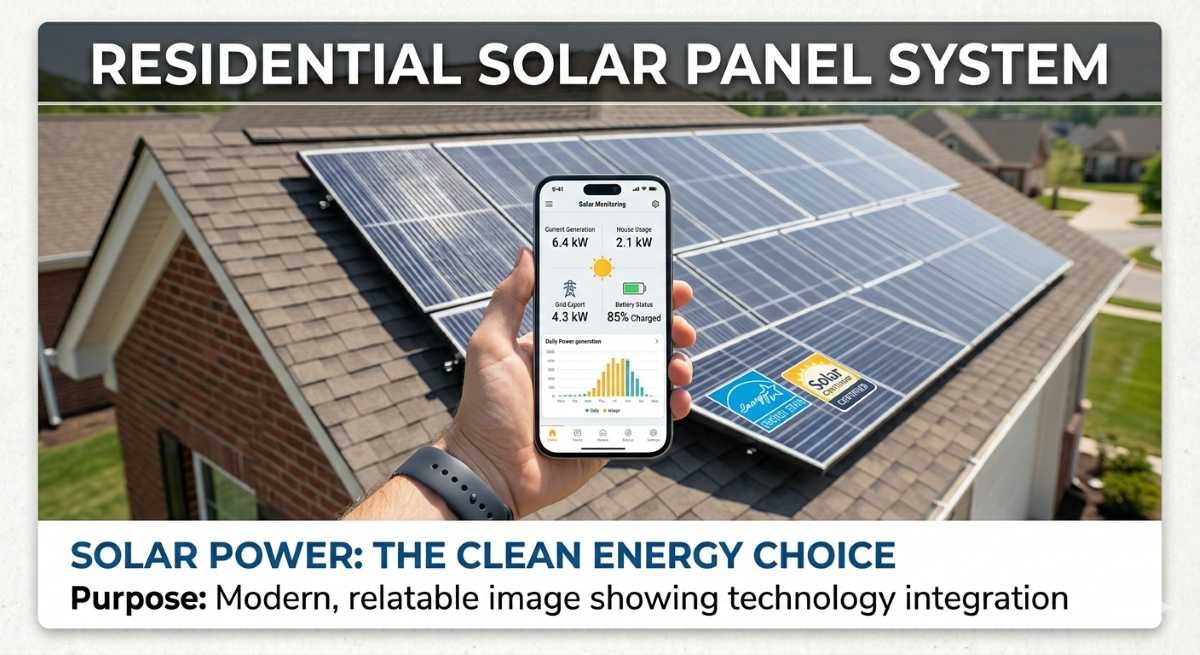
We mentioned these earlier, but they deserve deeper exploration. Smart thermostats use occupancy sensors, weather data, and learning algorithms to optimize heating and cooling schedules.
Features to look for:
- Geofencing that adjusts temperature when you leave
- Energy reports showing usage patterns
- Integration with utility demand response programs
- Humidity control for comfort
- Multi-zone compatibility
Smart Lighting and Plugs
LED bulbs already use 75-80% less energy than incandescents. Adding smart controls saves even more. Motion sensors turn lights off automatically in unoccupied rooms. Schedules ensure lights don’t run all night. Smart plugs cut standby power to electronics and appliances.
Home Energy Monitoring Systems
You can’t manage what you don’t measure. Whole-home monitors like Sense, Emporia, and Curb track electricity usage in real time, identifying which devices and appliances consume the most power. This visibility often reveals surprising waste and motivates behavior changes.
HEnergy-Efficient Appliances and Water Heating
ENERGY STAR Appliances Worth Upgrading
The ENERGY STAR label identifies products meeting strict efficiency criteria. Prioritize these appliances for maximum impact:
Refrigerators run 24/7, so efficiency matters enormously. New ENERGY STAR models use about half the energy of units from 20 years ago.
Clothes washers with ENERGY STAR certification use about 25% less energy and 33% less water than standard models. High-efficiency washers also spin faster, reducing dryer time.
Dishwashers save both energy and water. Look for models with soil sensors that adjust cycle length based on load cleanliness.
Heat Pump Water Heaters
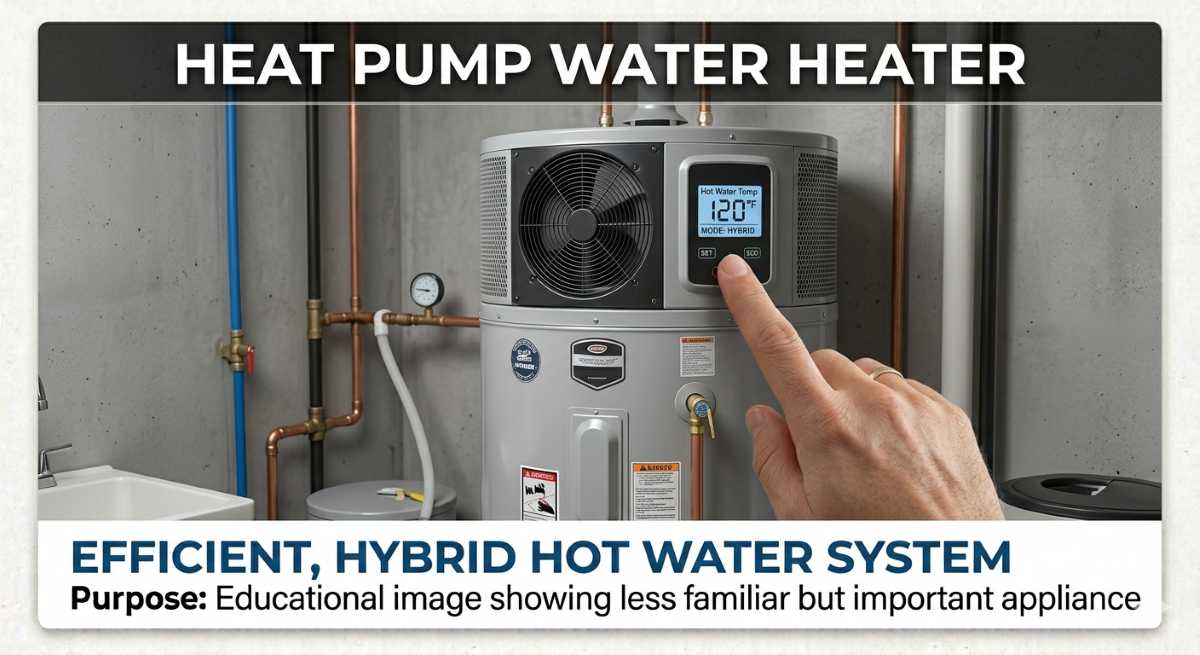
Traditional electric water heaters rank among the home’s biggest energy users. Heat pump water heaters (also called hybrid water heaters) cut electricity consumption by 60-70% by moving heat rather than generating it directly.
These units qualify for federal tax credits up to $2,000 under the Inflation Reduction Act. Installation location matters—they work best in spaces that remain above 40°F year-round and have adequate air volume.
Tankless Water Heaters
Gas tankless water heaters heat water only when needed, eliminating standby losses from storage tanks. They provide endless hot water and last longer than tank-style heaters. Electric tankless units work well in small households or as point-of-use supplements.
Professional Energy Audits: Finding Hidden Savings
Sometimes you need expert help identifying efficiency opportunities. Professional energy audits provide a comprehensive assessment of your home’s performance.
What an Energy Audit Includes
Certified auditors use specialized equipment to evaluate:
- Blower door testing measures air leakage rate
- Thermal imaging reveals insulation gaps and air infiltration
- Duct leakage testing quantifies distribution losses
- Combustion safety testing checks for backdrafting and carbon monoxide
- Manual J calculations determine proper equipment sizing
Audit Reports and Recommendations
Following testing, auditors provide detailed reports prioritizing improvements by cost, savings potential, and payback period. Many utilities offer subsidized or free audits to customers.
Commercial and Industrial Energy Efficiency
Businesses face unique energy challenges and opportunities. Commercial buildings account for significant U.S. energy consumption, making efficiency improvements particularly impactful.
LCost Commercial Improvements
- LED retrofits in offices, warehouses, and parking lots
- Occupancy sensors for lighting and HVAC
- Vending misers reduce energy use from beverage machines
- Power management for computers and office equipment
Advanced Commercial Strategies
- Building automation systems optimize HVAC and lighting
- Energy management software tracks and benchmarks usage
- ISO 50001 provides framework for systematic energy improvement
- Combined heat and power systems capture waste heat
- Retrocommissioning tunes up existing building systems
Electric Vehicles and Transportation Efficiency
Transportation represents another massive energy frontier. Electric vehicle adoption accelerates nationwide, creating opportunities for home energy integration.
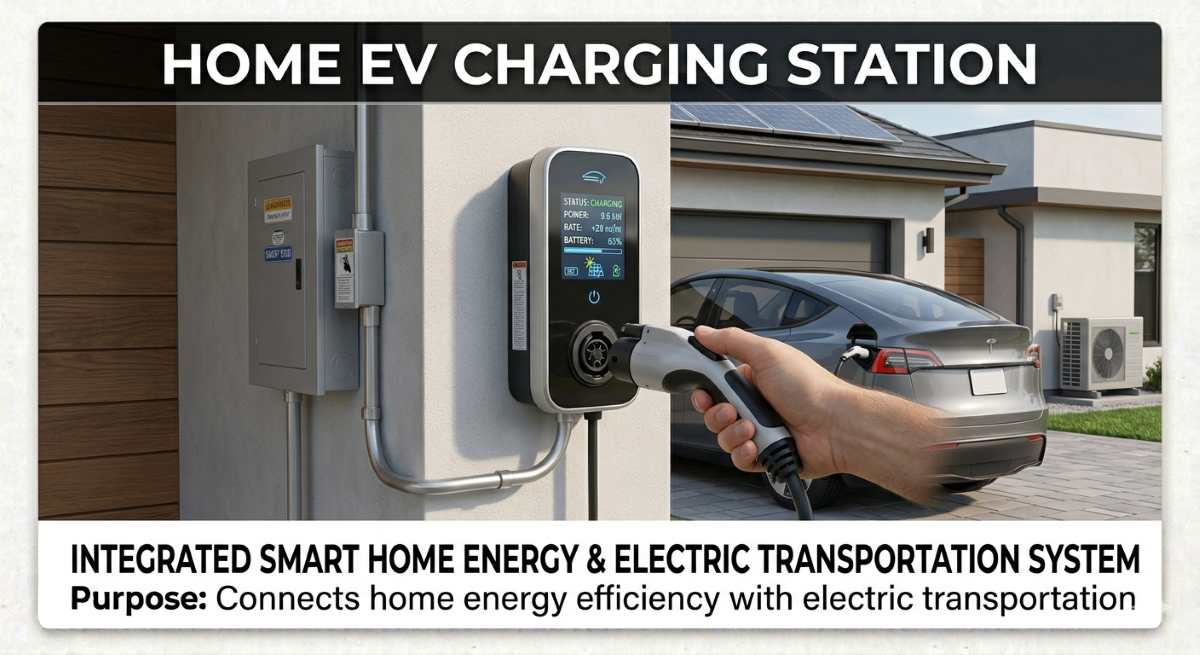
EV Charging at Home
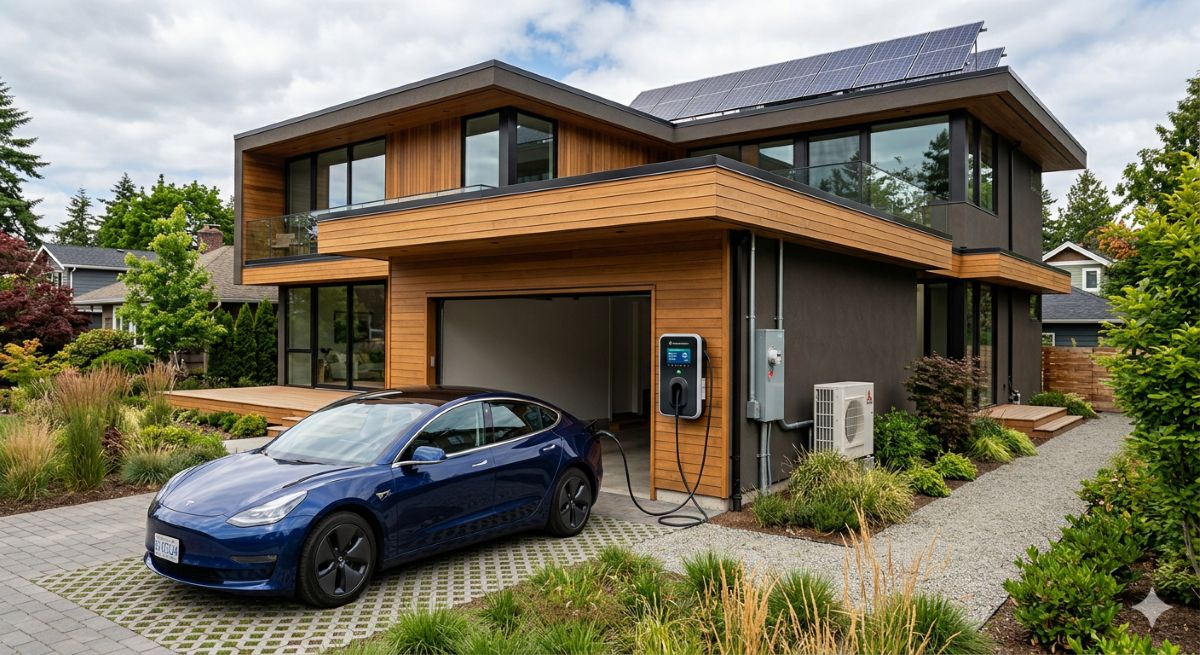
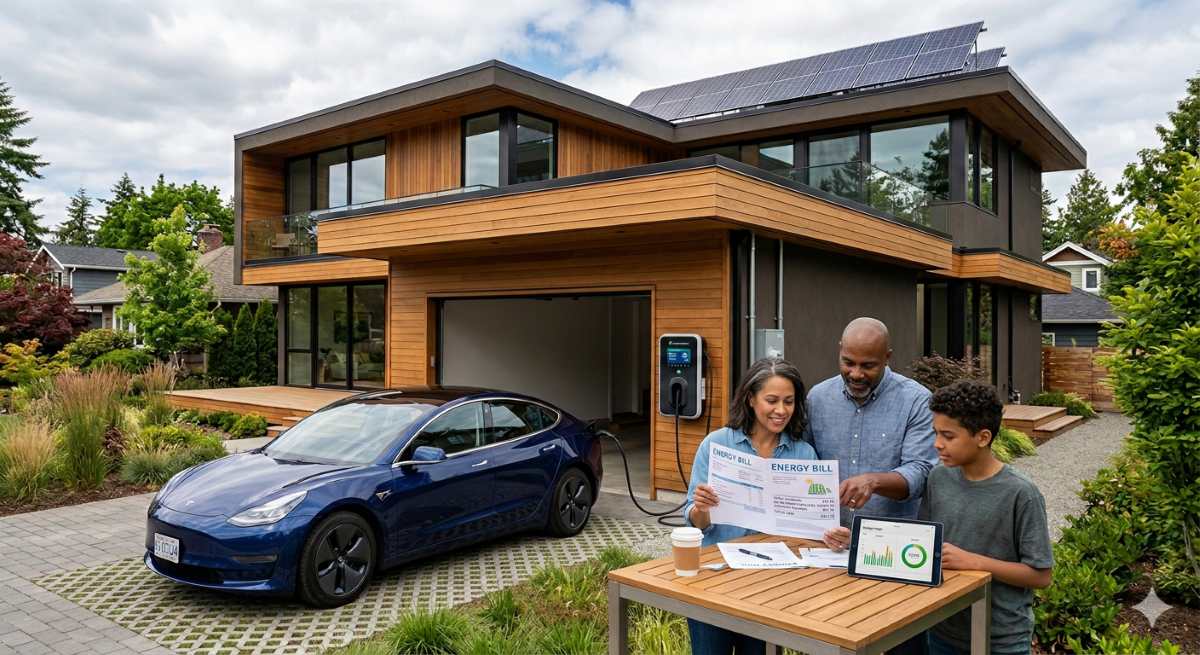
Level 2 home charging stations deliver convenience and cost savings. Pairing EV charging with solar panels effectively fuels your car with sunshine. Time-of-use rates allow charging during low-cost overnight hours.
Federal EV Tax Credits
The Inflation Reduction Act modified EV tax credits based on battery sourcing and vehicle assembly. Many popular models still qualify for up to $7,500 in credits. Used EVs also qualify for first-time buyers.
Net-Zero Homes: The Ultimate Goal
A net-zero home produces as much energy as it consumes annually. These homes represent the pinnacle of efficiency and renewable energy integration.
Net-Zero Design Principles
- Super-insulated envelopes with continuous insulation
- Airtight construction with mechanical ventilation
- Triple-pane windows for minimal heat loss
- Heat pumps for efficient heating and cooling
- Solar panels sized to match total consumption
- Energy recovery ventilators maintain indoor air quality
The Economics of Net-Zero
Net-zero homes cost 5-10% more to build than conventional homes but eliminate utility bills entirely. Over a 30-year mortgage, the savings far outweigh the upfront premium. Resale values continue climbing as buyers recognize long-term value.
Financial Incentives: Making Efficiency Affordable
Federal Tax Credit Summary
The Inflation Reduction Act created two main efficiency credit programs:
Energy Efficient Home Improvement Credit (25C) :
- 30% of costs up to $1,200 annually
- Specific caps: $600 for windows, $250 for doors, $150 for home energy audits
- Heat pumps, biomass stoves, and electrical panels have separate $2,000 limits
Residential Clean Energy Credit (25D) :
- 30% of costs for solar, batteries, geothermal
- No dollar cap through 2032
- Includes installation labor
State and Utility Programs
Visit the Database of State Incentives for Renewables and Efficiency (DSIRE) for current offerings in your state. Programs vary widely but may include:
- Cash rebates for efficient appliances
- Performance payments for solar generation
- Low-interest financing for efficiency upgrades
- Weatherization assistance for low-income households
Calculating Return on Investment
Simple Payback Periods
Typical payback ranges by upgrade:
| Upgrade | Payback Period |
| LED bulbs | 1-2 years |
| Smart thermostat | 2-3 years |
| Attic insulation | 3-5 years |
| Heat pump water heater | 4-7 years |
| HVAC replacement | 5-10 years |
| Solar panels | 6-10 years |
| Solar + battery | 8-12 years |
Beyond Simple Payback
Bnd Simple Payback
Consider these factors when evaluating efficiency investments:
- Utility rate increases accelerate payback
- Comfort improvements provide non-monetary value
- Maintenance savings from newer equipment
- Property value increases from upgrades
- Environmental benefits matter to many homeowners
Energy Efficiency and Property Value
Multiple studies confirm that energy-efficient homes sell faster and command higher prices. The Appraisal Institute recognizes energy efficiency as a value factor. Real estate listing services now include green features in property descriptions.
Buyers increasingly request utility bills during due diligence. Low energy costs become selling points. Solar panels, in particular, attract premium offers in competitive markets.
ercoming Common Barriers
Upfront Cost Challenges
Even with incentives, efficiency upgrades require capital. Solutions include:
- Energy-efficient mortgages include upgrade costs in home loans
- Property Assessed Clean Energy (PACE) financing ties payments to property taxes
- Utility on-bill financing allows repayment through monthly bills
- Credit union green loans offer competitive rates for efficiency projects
Split Incentives in Rental Properties
Landlords who pay utilities have incentive to upgrade, but tenants paying bills don’t. Conversely, tenants wanting efficiency can’t control property improvements. Solutions include green leasing, benchmarking ordinances, and mandatory disclosure laws.
Frequently Asked Questions (FAQ)
What’s the single most cost-effective energy upgrade for most homes?
Attic insulation consistently delivers the fastest payback across all climate zones. Combined with air sealing, it reduces heating and cooling loads immediately and permanently.
How much can I really save with a smart thermostat?
Most homeowners save 10-15% on heating and cooling costs. Actual savings depend on usage patterns, home characteristics, and proper setup.
Do solar panels work in cloudy states like Washington or Oregon?
Absolutely. Germany leads the world in solar adoption despite climate similar to the Pacific Northwest. Solar panels produce power from diffuse light, not just direct sun.
Will the federal tax credits expire?
The Inflation Reduction Act extended credits through 2032, with phase-downs beginning after that. Current 30% rates remain in effect for several years.
What R-value do I need in my attic?
Refer to the climate zone map earlier in this guide. Most U.S. homes benefit from R-38 to R-60 attic insulation.
How do I find qualified contractors?
Look for BPI (Building Performance Institute) or RESNET certifications. Check ENERGY STAR’s contractor finder. Read reviews and request multiple bids.
Conclusion: Your Efficiency Journey Starts Now
Energy efficiency in the United States has evolved far beyond simple light bulb changes. Today’s homeowners and businesses have access to proven technologies, generous financial incentives, and professional expertise that make significant energy savings achievable.
The path forward is clear:
- Start with an energy audit to identify your biggest opportunities
- Address insulation and air sealing for foundational savings
- Upgrade heating and cooling equipment to high-efficiency models
- Install smart controls to optimize performance automatically
- Consider solar panels once your home operates efficiently
- Maintain and monitor your systems for ongoing savings
Every step you take reduces energy waste, lowers monthly bills, increases comfort, and contributes to a more resilient energy future for America. The technologies exist. The incentives are available. The time to act is now.
Whether you’re a homeowner looking to cut costs, a business owner managing operational expenses, or simply someone who wants to live more sustainably, energy efficiency offers a proven path forward. Start with one upgrade. Track your savings. Then take the next step. Before long, you’ll wonder why you didn’t start sooner