

Introduction: Why Reducing Electricity Consumption Matters Now
Electricity consumption reducer strategies have become essential for American households as power prices continue climbing. Residential electricity rates have risen roughly 25% since 2020, outpacing both inflation and wage growth .
The good news? You can fight back. The average homeowner who implements a combination of efficiency upgrades and smart habits can realistically cut annual electric costs by 25%–35% . For households with solar or battery storage, savings can exceed 50% .
Beyond saving money, reducing consumption helps the environment. Every kilowatt-hour saved means fewer fossil fuels burned and lower carbon emissions. This guide provides proven, practical strategies to slash your electricity use without sacrificing comfort.
For foundational knowledge about sustainable living, explore our Zero Waste Living Definition (2026 to 2027): Complete Beginner’s Guide to a Waste-Free Life to understand how energy conservation fits into your eco-friendly lifestyle.
Understanding Your Home’s Energy Use
Energy Efficiency vs. Energy Conservation
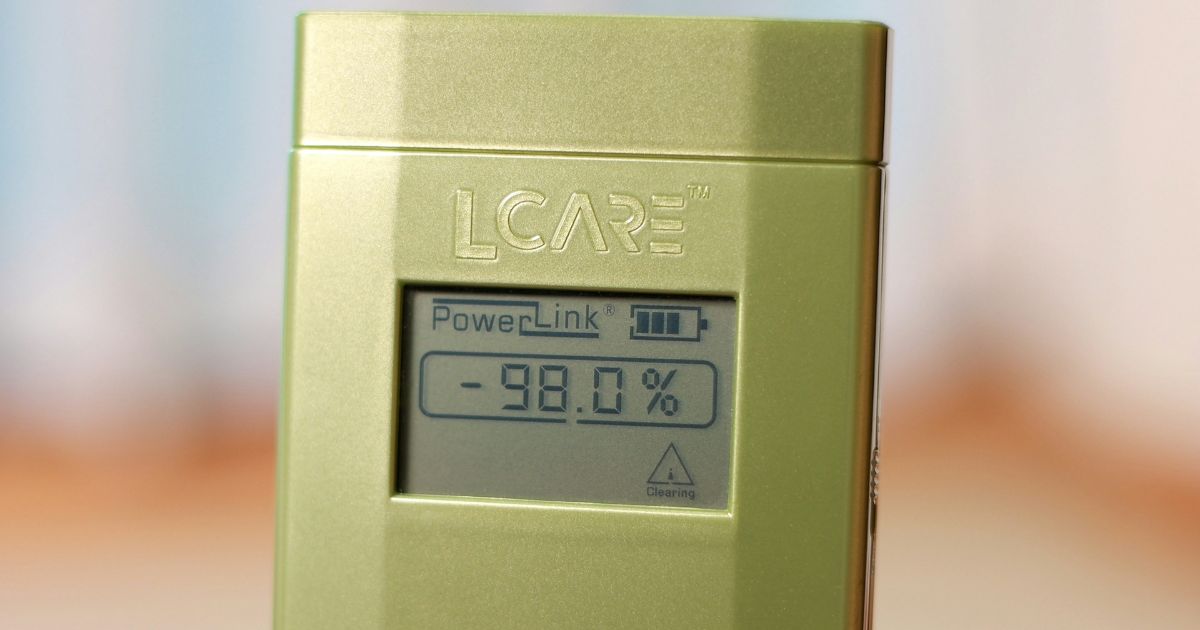
Before diving into specific strategies, it helps to understand two different approaches :
| Approach | Definition | Examples |
|---|---|---|
| Energy Efficiency | Using technology to reduce consumption | LED bulbs, smart thermostats, ENERGY STAR appliances |
| Energy Conservation | Behavioral changes that reduce usage | Turning off lights, adjusting thermostat, unplugging devices |
Both approaches matter. Efficiency upgrades provide permanent savings, while conservation habits cost nothing and can be implemented immediately .
The Biggest Energy Users in Your Home
In most homes, heating and cooling make up about half of total electricity use . That’s why focusing on HVAC efficiency delivers the biggest bang for your buck.
Other major consumers include:
- Water heaters
- Refrigerators and freezers
- Clothes dryers
- Lighting
- Electronics and standby devices
Smart Technology Investments That Pay Off
LED Lighting: The Easiest First Step
If you haven’t yet switched to LED lighting, you’re leaving easy money on the table. The Department of Energy estimates that a full home conversion can save the average household roughly $200 a year .
LED bulbs consume significantly less power than older incandescent or fluorescent bulbs. They also produce less heat, reducing your cooling load in the summer months .
Additional benefits:
- Last up to 15 times longer than incandescents
- Save more than $55 in electricity costs over each bulb’s lifetime
- Available for every fixture type
Smart Thermostats: Set and Save
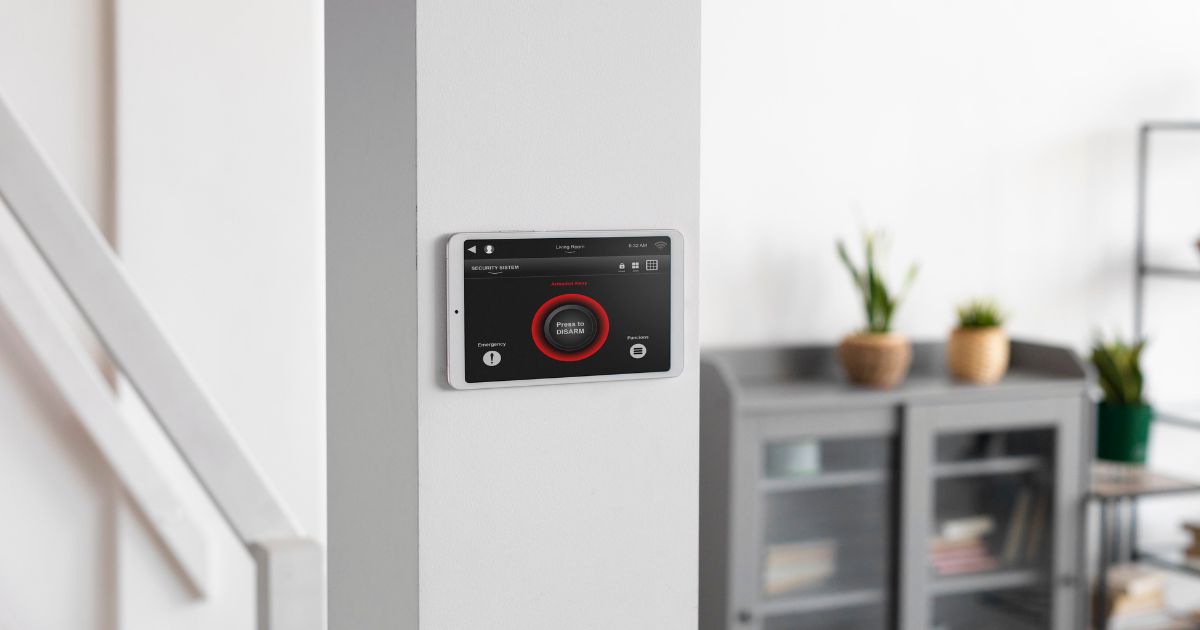
A smart thermostat can trim another 10–15% off your bill by learning your patterns and automatically adjusting the temperature when you’re asleep or away .
Popular models from Nest, Ecobee, and Honeywell work with virtually every HVAC system. Many utilities offer rebates that cut the upfront cost in half .
For every degree you lower the thermostat in winter, you can save 3% on your heating bill . Set it back 5 to 10 degrees at bedtime for maximum savings .
ENERGY STAR Appliances: Long-Term Savings
When it’s time to replace old appliances, choose ENERGY STAR-rated models. A new ENERGY STAR refrigerator uses about 20% less energy than a standard new refrigerator, and 46% less than one made in 1980 .
Replacing a 15-year-old refrigerator or clothes dryer can cut usage by 20%–30%, sometimes saving more than $100 annually per appliance .
ENERGY STAR clothes washers use nearly 50% less energy than standard washers . A laptop computer uses 90% less energy than desktop computers .
Eliminating Phantom Loads (Standby Power)
What Are Phantom Loads?
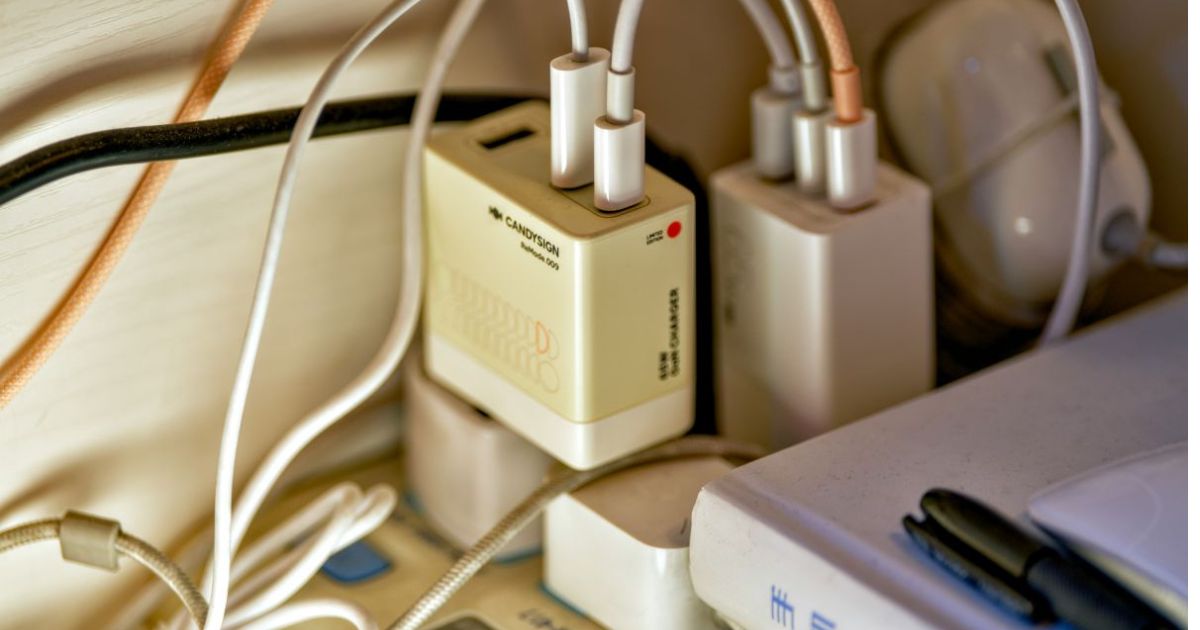
Even when turned off, many electronics continue drawing small amounts of power—a phenomenon known as standby load or “phantom power” .
The Natural Resources Defense Council estimates that standby consumption accounts for 5%–10% of residential electricity use nationwide . In fact, 75% of the electricity used to power home electronics is consumed while the products are turned off .
Simple Solutions That Work
The fix is simple: smart plugs and power strips that automatically cut power when devices aren’t in use .
Make it a habit to unplug phone and laptop chargers once batteries are full .
Behavioral Habits That Reduce Consumption
Lighting Habits
- Turn lights off when you leave a room—it seems obvious, but many of us forget
- Use natural daylight during daytime hours by opening curtains and blinds
- Install dimmer switches to reduce brightness to match each moment’s need
- Dust your light fixtures—dust absorbs about 50% of light, so cleaning bulbs helps you get more brightness from less energy
Heating and Cooling Habits
- Set your thermostat efficiently: In winter, try 60°F at night and 68°F while home
- Use fans to circulate air: A fan uses about 90% less energy than an air conditioner
- Close curtains and blinds during the day to block summer heat
- Wear layers instead of turning up the heat
- Close off unused rooms to reduce the space you’re heating or cooling
Appliance Usage Habits
- Run full loads only in washing machines and dishwashers
- Wash clothes in cold water—saves the average household more than $400 annually with electric water heaters
- Air-dry dishes instead of using the dishwasher’s drying cycle—saves 15 to 50% of dishwasher energy
- Clean the lint filter in your dryer after every load—saves up to 30% of dryer energy
- Air-dry clothes whenever possible instead of using the dryer
Kitchen Habits
- Let hot food cool before putting it in the refrigerator—hot foods raise the fridge temperature, making it work harder
- Keep fridge at 36-38°F and freezer at 15°F for maximum efficiency
- Organize frequently used items in one place so the door stays open for shorter periods
- Clean refrigerator coils—dust and pet hair buildup makes the motor work harder
Weatherization and Home Improvements

Sealing Air Leaks
Draught-proofing is one of the cheapest and most effective ways to save energy . Sealing cracks, adding insulation, or upgrading leaky ductwork can lower heating and cooling costs by 20% or more .
Where to look for leaks:
- Windows and doors
- Loft hatches
- Around pipes and electrical outlets
- Where cable and phone lines enter your home
Fix gaps with weather stripping, caulk, or foam gaskets placed behind outlet covers .
Insulation Upgrades
If your ceiling is not insulated or needs more insulation, you can reduce heating costs by 5-25% by increasing your insulation to up to R-38 .
Storm windows reduce heat loss through windows by 25 to 50% . For single-pane windows, adding storm windows cuts heat loss significantly .
Water Heater Efficiency
- Turn your water heater down to 120°F—saves money and is safer for households with children
- Insulate water pipes with foam insulation (lagging) to retain heat and prevent freezing
- Use less hot water for showers and laundry
Working with the Grid: Time-of-Use and Smart Meters
Understanding Time-of-Use Pricing
Utilities increasingly use “time-of-use” pricing . You’re charged more when demand peaks—typically late afternoon and early evening—and less during overnight or midday hours .
By running your dishwasher, laundry, or EV charger outside peak periods, you can sidestep those premium rates without changing your lifestyle .
Smart Meters and Tracking
Smart meters provide automatic readings to your supplier, ending estimated bills and making budgeting easier . They also let you make the most of tariffs offering cheaper electricity during different hours .
Once you have a smart meter, you can get near real-time information about energy use through your free in-home display or by downloading apps .
Energy-monitoring devices such as Sense, Emporia, or Arcadia can track in real time where your power is going and alert you when consumption spikes .
Solar and Community Energy Options
Rooftop Solar
For households with solar panels or home batteries, “load shifting” is even more powerful. Charging batteries when power is cheap (or when your panels generate excess energy) and discharging them during expensive peak hours yields substantial savings .
Several states, including California, Arizona, and New York, now offer battery rebates through programs such as the Self-Generation Incentive Program (SGIP) .
Community Solar
If rooftop solar isn’t an option, consider community solar. These shared projects allow renters and homeowners to buy or subscribe to a portion of a larger solar farm’s output, reducing monthly bills without the cost or maintenance of owning panels .
Utility and Government Assistance Programs
Federal Programs
If you’re on a tight budget, programs can help :
| Program | What It Provides |
|---|---|
| Weatherization Assistance Program | Grants to improve insulation, seal ducts, upgrade HVAC |
| Low-Income Home Energy Assistance Program (LIHEAP) | Help with energy bills and weatherization |
Utility Programs
Many utilities offer demand-response programs, which pay customers small credits to voluntarily reduce power during grid emergencies . These programs aren’t just for low-income households—many utilities extend participation to all ratepayers willing to enroll smart thermostats or appliances in automated “load-shedding” events .
Check with your utility about:
- Rebates for smart thermostats and efficient appliances
- Free energy audits
- Discounted LED bulbs
- Time-of-use rate plans
Frequently Asked Questions
How much can I realistically save on my electric bill?
The average homeowner who installs LED lighting, a smart thermostat, insulation upgrades, and uses time-of-use adjustments can cut annual electric costs by 25%–35% . With solar or battery storage, savings can exceed 50% .
What’s the single most effective way to reduce consumption?
Focus on heating and cooling first—they account for about half of home energy use . A smart thermostat alone can save 10–15% , while weatherization can save another 20% .
Do appliances really use power when turned off?
Yes. The Natural Resources Defense Council estimates that standby consumption accounts for 5%–10% of residential electricity use nationwide . Smart power strips eliminate this waste.
How often should I replace my furnace filter?
Check furnace air filters monthly and clean or replace them when dirty . A clean filter saves 5% on heating costs and keeps your HVAC system running efficiently .
Is it worth switching to LED bulbs?
Absolutely. The Department of Energy estimates a full home conversion saves the average household roughly $200 a year . LEDs also last up to 15 times longer than incandescents .
What temperature should I set my thermostat to?
In winter, try 60°F at night and 68°F while home . In summer, set it between 75-78°F when home and higher when away. For every degree you adjust, you can save 1-5% on energy costs .
How do I find rebates and programs in my area?
Check with your utility company first. Many offer rebates for smart thermostats, efficient appliances, and energy audits. You can also visit the ENERGY STAR rebate finder or contact your state energy office.
Conclusion: Small Changes, Big Results
Electricity consumption reducer strategies aren’t about one silver bullet—they’re about combining small, steady improvements that compound over time .
Start with these priorities:
- Switch to LED lighting for immediate savings
- Install a smart thermostat to automate HVAC efficiency
- Seal air leaks and add insulation
- Eliminate phantom loads with smart power strips
- Adopt energy-saving habits—cold water washing, air-drying, full loads
- Check your utility’s time-of-use rates and rebate programs
The result is a home that’s not only cheaper to power, but smarter, cleaner, and better prepared for the energy future ahead .
For more guidance on sustainable living, revisit our Zero Waste Living Definition (2026 to 2027): Complete Beginner’s Guide to a Waste-Free Life for additional tips and inspiration.
External Resource: For authoritative information and tools, explore the Department of Energy’s energy saver resources and the ENERGY STAR program .