

Introduction: Moving Beyond the “Take-Make-Waste” Mindset
Adopting a circular economy at home is the most effective way to achieve long-term sustainability. For decades, our society operated on a linear model: we took raw materials, made products, and then threw them away.
However, this system is no longer sustainable for our planet. The numbers are staggering. According to the Ellen MacArthur Foundation, only 8.6% of the global economy is currently circular . The rest follows the destructive “take-make-waste” path.
By shifting to a circular mindset, we learn to view our belongings as resources that should never truly disappear. This guide will show you exactly how to implement circular principles in every room of your home.
For foundational knowledge, explore our comprehensive Zero Waste Living Definition (2026 to 2027): Complete Beginner’s Guide to a Waste-Free Life before diving deeper.
What Does a Circular Economy at Home Actually Mean?
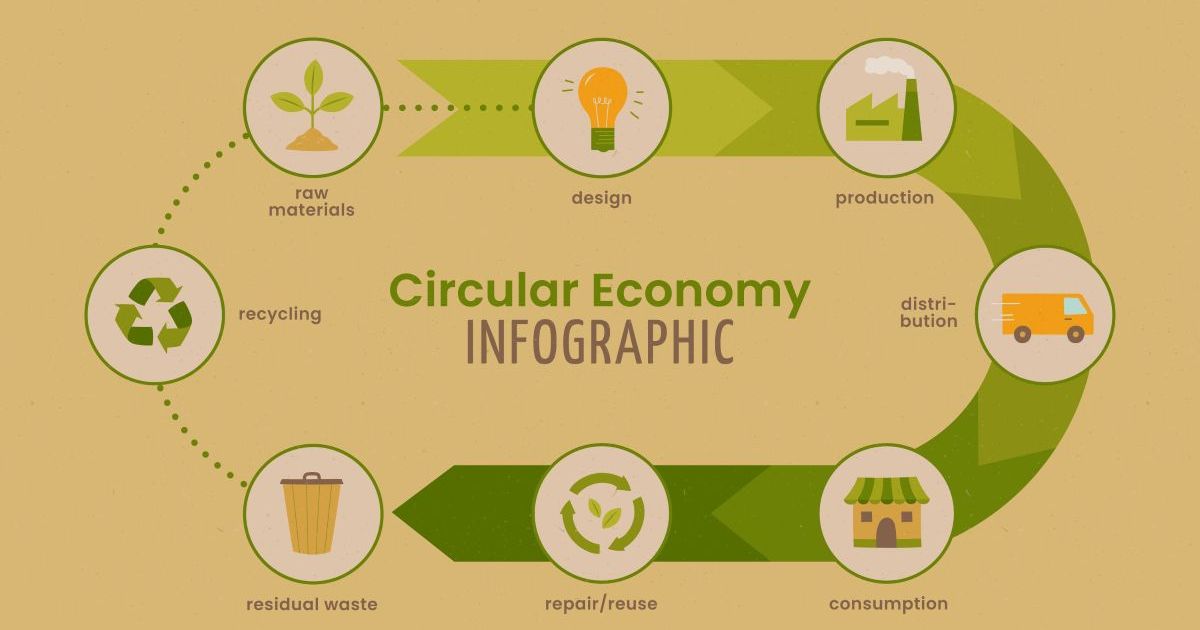
The concept of a circular economy focuses on designing out waste and keeping materials in use for as long as possible. Specifically, it means moving away from recycling as a first step and moving toward reuse and regeneration as primary goals.
In a circular home, every item has a “next life” planned before it even enters the front door. You ask yourself: Where will this go when I’m done with it? Can it be repaired? Can it be composted? Can it be returned to the manufacturer?
To succeed, you must understand the difference between a “user” and a “consumer.” While a consumer uses an item and discards it, a circular user cares for an item and ensures it returns to the system.
Consequently, this shift reduces the demand for new resource extraction. According to the Environmental Protection Agency (EPA) , reducing and reusing are far more effective than recycling alone .
The Three Pillars of Circularity at Home
To implement a circular economy at home, focus on three specific pillars that govern how you manage your resources:
| Pillar | Definition | Home Application |
|---|---|---|
| Design Out Waste | Choose products with minimal, plastic-free, or returnable packaging | Buy from bulk bins with your own containers |
| Keep Products in Use | Prioritize high-quality, repairable items | Repair appliances instead of replacing |
| Regenerate Natural Systems | Return organic nutrients to the soil | Compost all food scraps and yard waste |
These three pillars form the foundation of every circular home. When you master them, waste becomes a foreign concept.
Closed-Loop Systems and Household Goods
A “closed-loop” system is a key concept in this discussion. Specifically, it refers to products designed to be returned to the manufacturer for professional cleaning or recycling.
In 2027, many brands now offer “Product-as-a-Service” models. For instance:
- Instead of buying a vacuum cleaner you eventually throw away, subscribe to a service that maintains and upgrades the machine
- Instead of purchasing light bulbs, lease them from companies that take back and recycle spent bulbs
- Instead of owning power tools, borrow from community tool libraries
These models ensure that materials stay in circulation rather than heading to landfills. The Ellen MacArthur Foundation reports that circular business models could generate $4.5 trillion in economic benefits by 2030 .
Practical Steps: Creating a Circular Kitchen and Hom
Transitioning to a circular economy at home is easiest when you tackle specific rooms. Here is your room-by-room action plan for 2027.
Circular Kitchen – The Heart of the Home
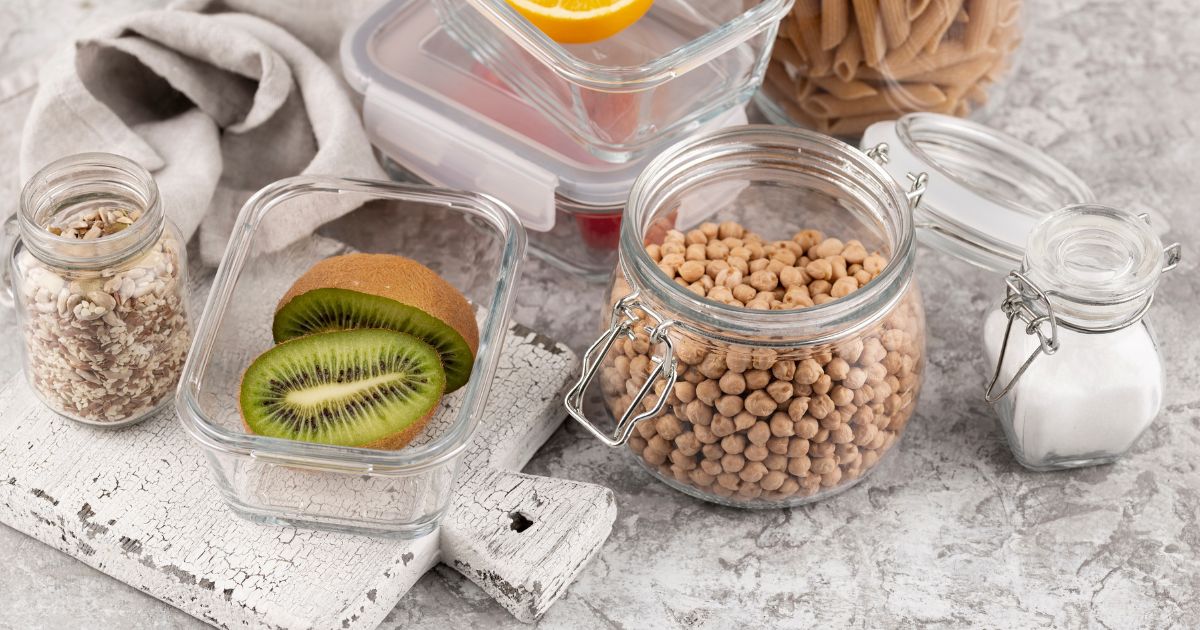
The kitchen offers the greatest opportunities for circular living. Start here:
| Action | How to Implement | Impact |
|---|---|---|
| Bulk shopping | Bring glass jars to bulk sections or co-ops | Eliminates packaging waste entirely |
| Composting | Set up countertop bin + backyard or worm system | Returns nutrients to soil; reduces methane |
| Food storage | Use glass containers, beeswax wraps, silicone covers | Replaces single-use plastic wrap and bags |
| Dishware | Choose durable ceramic, glass, or stainless steel | Lasts decades instead of months |
| Cleaning tools | Wooden brushes, Swedish dishcloths, reusable spray bottles | Eliminates plastic scrubbers and paper towels |
According to the EPA, food waste makes up roughly 30% of what Americans throw away . Composting alone can cut your household waste by one-third.
Circular Bathroom – Hidden Opportunities
Bathrooms are often overlooked in circular living. Here are high-impact swaps:
- Shampoo and conditioner bars instead of plastic bottles (each bar replaces 2-3 bottles)
- Safety razors with replaceable metal blades instead of disposable plastic razors
- Bamboo toothbrushes with compostable handles
- Refillable deodorants in metal or cardboard tubes
- Toilet paper from recycled paper or bamboo, plastic-free wrapped
Many brands like Ethique, Leaf Shave, and Package Free Shop offer circular bathroom products with take-back programs.
Circular Living Room and Bedroom
Extend circular principles to your living spaces:
- Embrace the sharing economy: Borrow tools, books, and gadgets from libraries rather than buying
- Choose secondhand first: Make thrift stores your default for furniture and decor
- Repair before replacing: Learn basic sewing and electronics repair
- Buy for durability: Invest in quality items designed to last decades
- Participate in clothing swaps: Refresh your wardrobe without buying new
The “Buy Nothing” movement has exploded across American communities. Join local Facebook groups to give and receive items for free, keeping them in circulation.
The Financial and Environmental Benefits of Circular Living
Living a circular life offers massive benefits for your bank account and the planet.
Financial Savings
By investing in durable goods, you stop the cycle of constant replacement. Consider these savings:
| Item | Disposable Approach | Circular Approach | Lifetime Savings |
|---|---|---|---|
| Paper towels | $80-100 yearly | Cloth rags (free from old clothes) | $2,000+ over 20 years |
| Coffee pods | $400+ yearly | French press or compostable | $8,000+ over 20 years |
| Plastic razors | $200 yearly | Safety razor ($30 once) | $3,700+ over 20 years |
| Plastic water bottles | $500 yearly | Reusable bottle ($20 once) | $9,800+ over 20 years |
Over time, a set of high-quality linen napkins is much cheaper than buying thousands of paper ones. Furthermore, buying secondhand costs a fraction of new items.
Environmental Impact
According to the Ellen MacArthur Foundation , moving to a circular model can:
- Reduce global CO2 emissions by 3.7 billion tons annually by 2030
- Cut virgin material consumption by 28% by 2030
- Generate $4.5 trillion in economic benefits
By choosing a circular economy at home, you directly help preserve finite resources for 2027 and beyond. Every repaired item, every composted scrap, and every reusable container makes a measurable difference.
Data Point: The Power of Repair in America
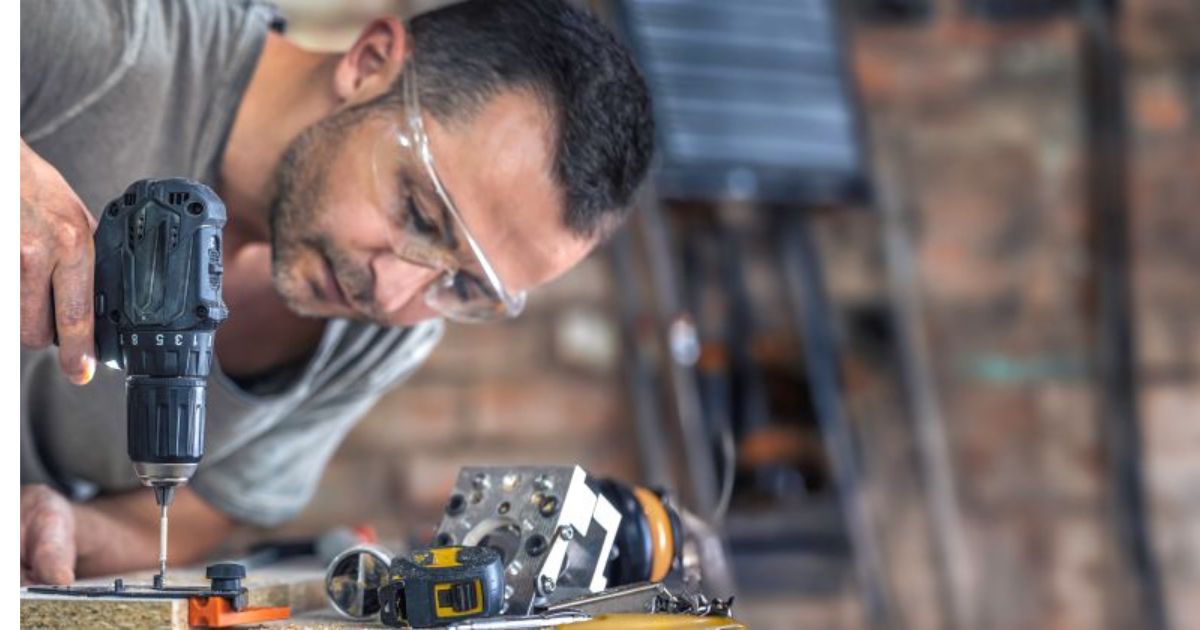
A recent survey by the U.S. Public Interest Research Group found that 75% of household appliances discarded in the USA were actually repairable with simple parts .
Consider this example: Replacing a single $15 thermal fuse can often save a $400 dishwasher from the landfill. Similarly, fixing a $10 tear in a coat extends its life by years.
This data point proves that the most “circular” action you can take is often just maintaining what you already own. Repair is revolution.
The Future of Circularity in 2027 and Beyond

As we look toward 2027, the infrastructure for a circular economy at home is expanding rapidly.
Digital Product Passports
Specifically, we are seeing the rise of “Digital Product Passports.” These allow you to scan an item with your phone to see:
- Exactly how to repair it with step-by-step guides
- Where to find replacement parts
- How to return it for recycling at end-of-life
- The materials used and their origins
The European Union will require Digital Product Passports for many products by 2027, and American companies are following suit.
Smart Home Integration
Smart home systems can now track your consumption patterns to help reduce waste:
- Refrigerators that alert you before food spoils
- Inventory apps that track what you have before you buy more
- Compost monitors that optimize decomposition
Community-Level Circularity
Community initiatives are also growing rapidly:
- Neighborhood “Swap Spots” where neighbors trade clothes, books, and household items
- Tool libraries in hundreds of American cities
- Repair Cafés offering free community repair events
- Community composting programs in urban areas
This sense of community reduces the need for new production and strengthens local bonds. Consequently, the circular economy is as much about social connection as it is about waste reduction.
Frequently Asked Questions
What is the difference between Zero Waste and Circular Economy?
While Zero Waste focuses on the end result (no trash), the Circular Economy focuses on the entire system of design and production. Specifically, circularity ensures that products are designed to be reused from the very beginning. Think of zero waste as the goal and circular economy as the path to get there.
Is a circular lifestyle more time-consuming?
Initially, it may take more time to find repair shops or set up a compost system. However, once your habits are established, a circular lifestyle often saves time because you spend less time shopping for replacements and managing household clutter. The upfront investment pays back in hours saved later.
Can I be circular if I live in a small apartment?
Yes, absolutely. A circular economy at home works perfectly in small spaces because it prioritizes owning fewer, better-quality items. You can use:
- Bokashi composting for small-space food scrap management
- Digital sharing services instead of owning infrequently used items
- Community tool libraries for borrowing instead of buying
- Vertical gardening for growing herbs without yard space
How do I find circular brands?
Look for companies offering:
- Take-back programs for worn-out products
- Repair services or repair guides
- Refillable container systems
- Third-party certifications like B Corp, Cradle to Cradle, or Climate Neutral
Brands like Patagonia, Eileen Fisher, and IKEA are leading the way with circular initiatives.
What about recycling? Isn’t that enough?
Recycling alone is not enough. While important, recycling is the last resort in circular systems. Many plastics are downcycled into lower-quality materials or exported overseas. The EPA emphasizes that reducing, reusing, and repairing have far greater environmental impact than recycling alone .
Conclusion: Closing Your Personal Loop in 2027
The circular economy at home is not a destination but a continuous journey of improvement. In 2027, our goal is to eliminate the very idea of “waste.”
By treating every item as a temporary guest in our homes, we ensure that resources are respected and preserved. Every purchase becomes an opportunity to support circular systems. Every repair becomes an act of resistance against disposability.
Start your shift today by looking at your trash can. Ask yourself: Which of those items could have been repaired, reused, or avoided entirely? Notice how this simple question changes your perspective on everything you buy.
Remember these key actions:
- Choose durable over disposable
- Repair before replacing
- Borrow instead of buying
- Compost all organic matter
- Support circular brands
- Share with your community
For more inspiration, revisit our Zero Waste Living Definition (2026 to 2027): Complete Beginner’s Guide to a Waste-Free Life whenever you need reinforcement.
External Resource: For authoritative research on circular economy principles, explore the Ellen MacArthur Foundation resources.
Together, we can close the loop and build a regenerative future. Start today.