

Introduction: Why Quality Products Matter on Your Zero Waste Journey
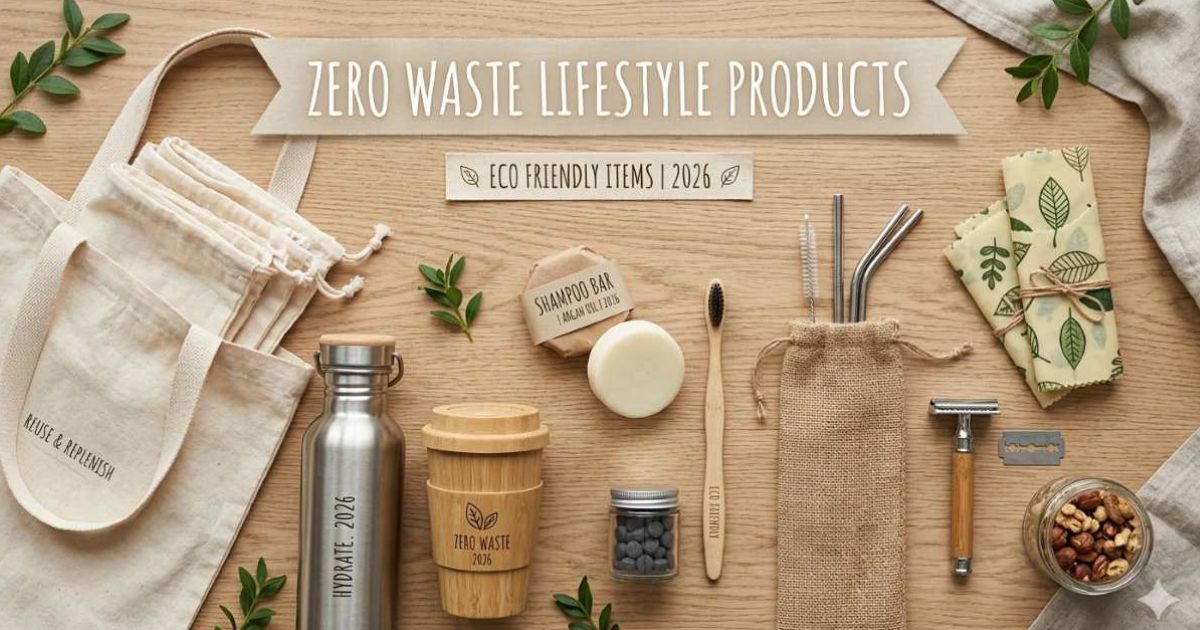
Starting a zero waste lifestyle can feel overwhelming. However, choosing the right products for zero waste living makes the transition smoother and more enjoyable. Instead of buying cheap disposables repeatedly, you invest once in quality items that last for years.
The key is selecting products made from durable, natural materials like glass, stainless steel, bamboo, and organic cotton. These materials can be recycled or composted at the end of their long lives.
This guide covers the essential categories—kitchen, bathroom, cleaning, and on-the-go—with specific product recommendations that American families love in 2026.
For foundational knowledge, explore our comprehensive Zero Waste Living Definition (2026 to 2027): Complete Beginner’s Guide to a Waste-Free Life before diving into product specifics.
Kitchen Essentials: Where Most Waste Begins
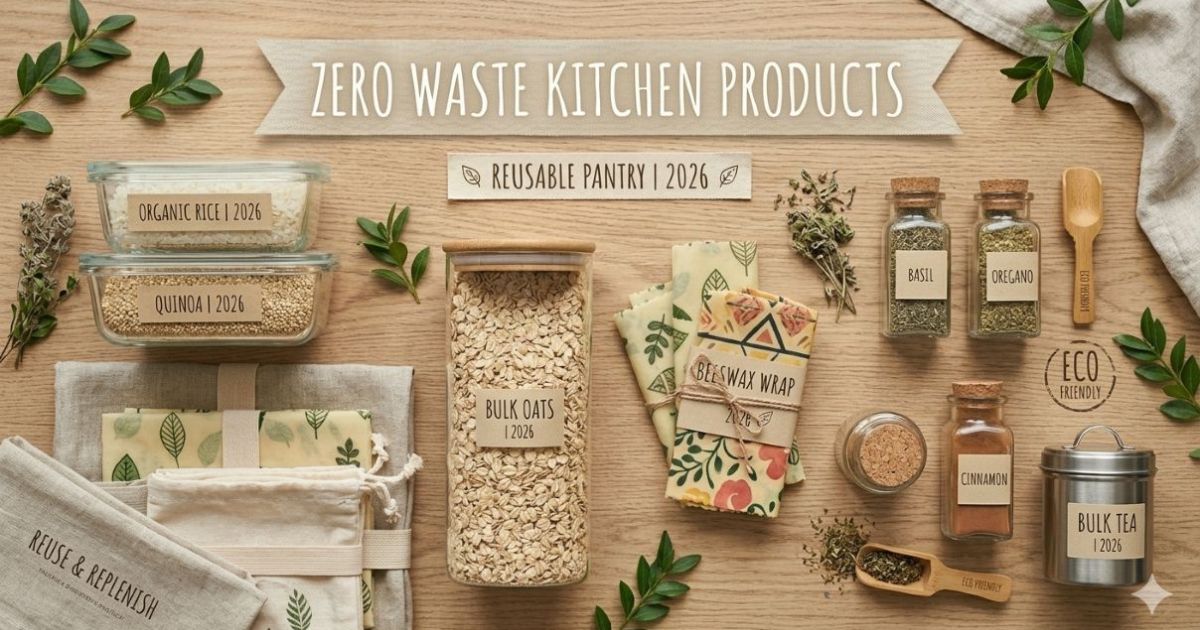
The kitchen generates the majority of household waste. Consequently, investing in quality products for zero waste living here delivers the biggest impact.
Food Storage Solutions
Glass containers outperform plastic in every way. They don’t stain, absorb odors, or leach chemicals. Brands like Pyrex and Anchor Hocking offer durable sets that transition from fridge to oven.
Beeswax wraps from companies like Bee’s Wrap replace plastic cling film. They are washable, reusable for up to a year, and eventually compostable.
Silicone food covers stretch over bowls, cut fruits, and open cans. They come in various sizes and last indefinitely.
Reusable Produce Bags
Americans use billions of plastic produce bags annually. Cotton mesh bags from EcoBags or Simple Ecology are washable, breathable, and weigh almost nothing at checkout.
Each bag replaces hundreds of plastic bags over its lifetime. Keep them in your car so you never forget them.
Stainless Steel Lunch Containers
Planet Box and LunchBots make compartmentalized stainless steel containers perfect for school and work lunches. They eliminate disposable sandwich bags and plastic containers entirely.
According to the EPA, packing waste-free lunches saves the average family $200-300 annually .
Bathroom Swaps: Plastic-Free Personal Care
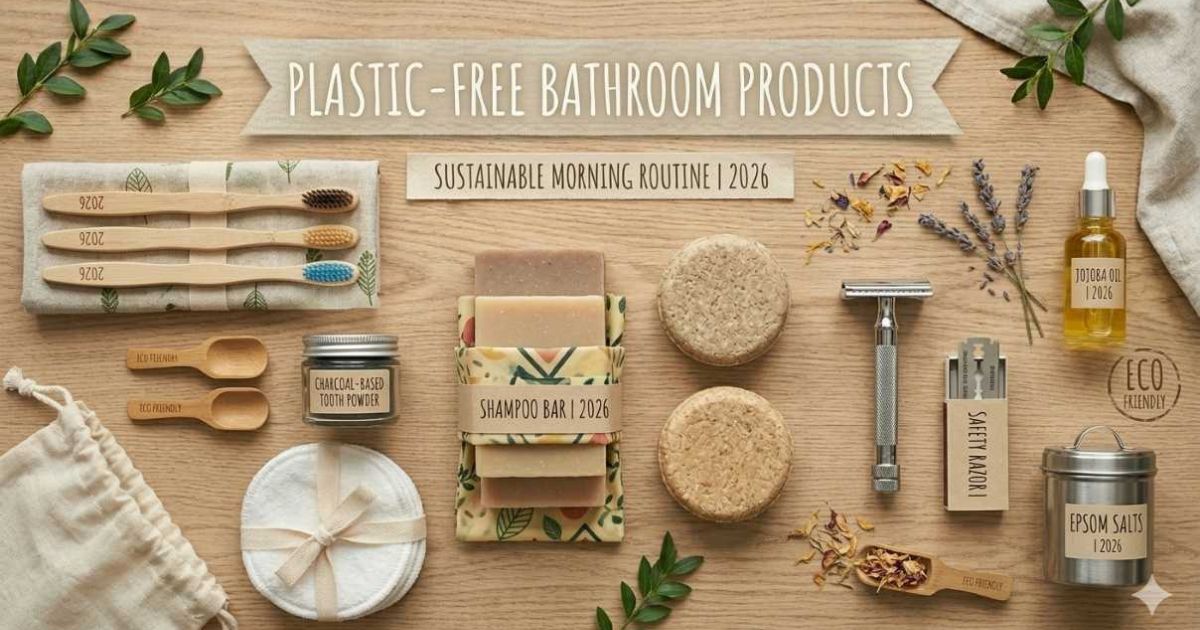
Bathrooms are filled with hidden plastics. These products for zero waste living transform your daily routine.
Shampoo and Conditioner Bars
Ethique and HiBar have perfected solid hair care. Each bar replaces 2-3 plastic bottles and lasts as long as two liquid bottles. They are concentrated, travel-friendly, and plastic-free.
Ethique is a B Corp certified company that donates 20% of profits to environmental causes.
Safety Razors
Leaf Shave and Albam make beautiful safety razors that last a lifetime. The blades cost pennies each and are infinitely recyclable. Over five years, you save $200-300 compared to disposable razors.
The shave quality is superior, with less irritation and waste.
Bamboo Toothbrushes
Brush with Bamboo and The Humble Co. offer toothbrushes with compostable handles. Billions of plastic toothbrushes end up in landfills annually. Switching makes a measurable difference.
Remember to remove bristles before composting the handle, as bristles require industrial recycling.
Refillable Deodorants
Myro and Bite offer deodorants in refillable containers or plastic-free tubes. The refills arrive in compostable packaging, eliminating the need to buy a new plastic container every few months.
Cleaning Products: Natural and Reusable
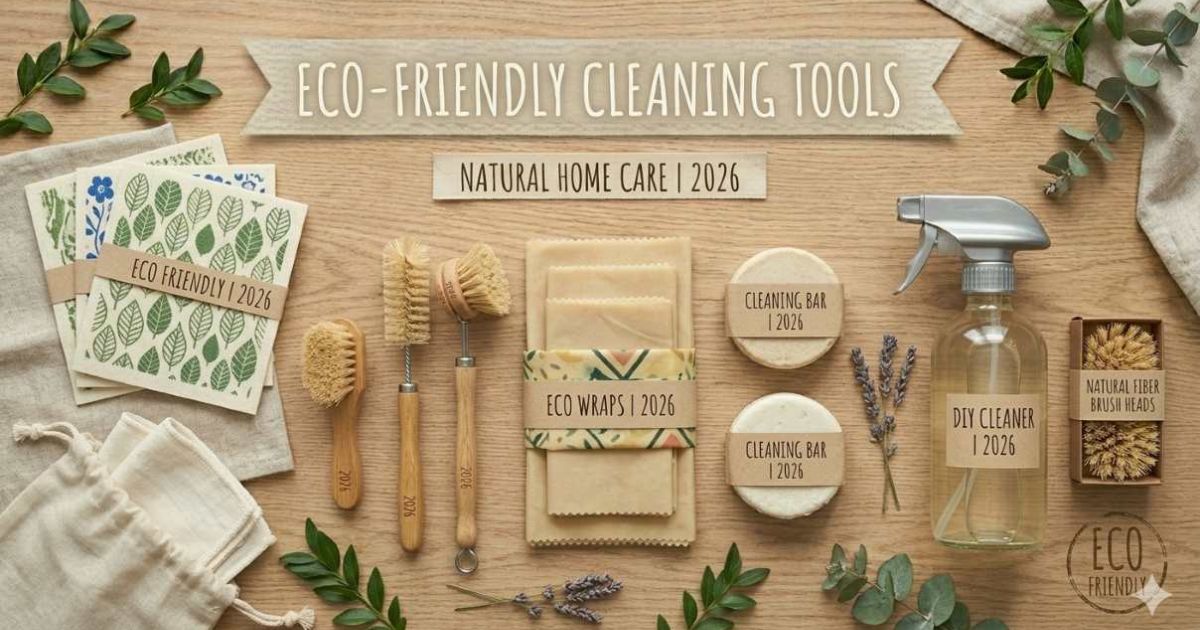
Commercial cleaners come in toxic, single-use plastic bottles. These alternatives clean better without the waste.
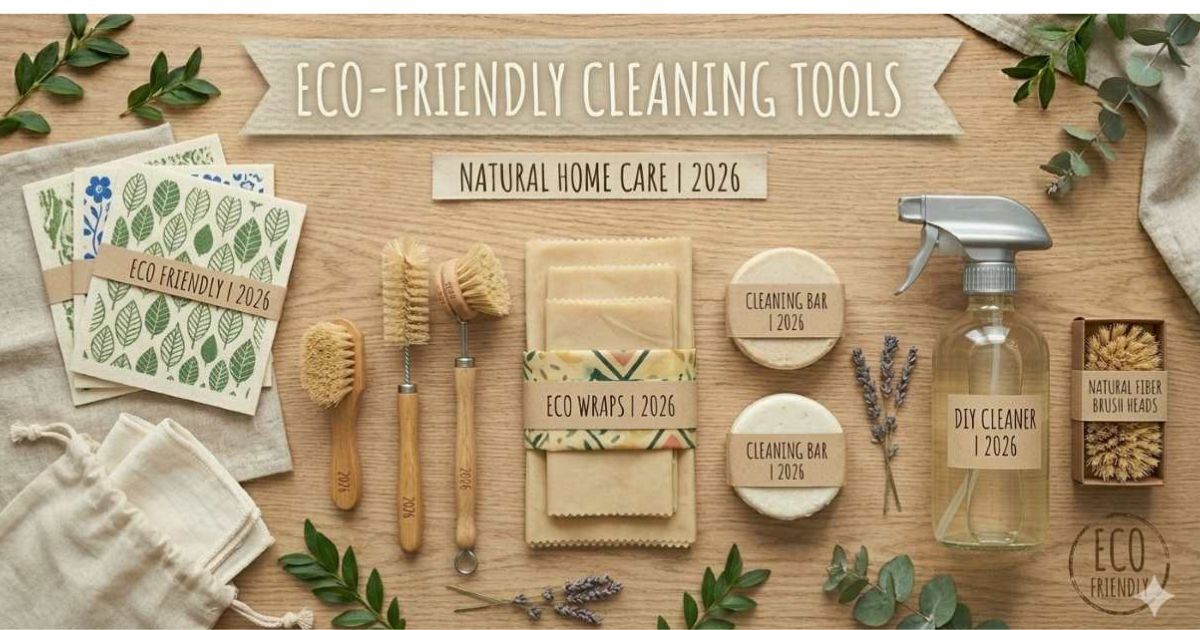
Swedish Dishcloths
One Swedish dishcloth replaces up to 17 rolls of paper towels. They are highly absorbent, quick-drying, and machine washable up to 200 times. Brands like Scrub-it offer beautiful patterns.
Wooden Cleaning Brushes
Redecker and Package Free Shop offer brushes with natural bristles and wooden handles. When they wear out, you can compost them. No plastic ever enters the landfill.
Concentrated Cleaner Tablets
Blueland revolutionized cleaning with its tablet system. Buy the bottles once, then order tablets that dissolve in water. The packaging is paper, and shipping emissions drop by 90% compared to shipping water-heavy liquids.
The Environmental Protection Agency notes that reducing packaging waste is one of the most effective environmental actions .
On-the-Go Essentials: Never Get Caught Without Reusables
Being prepared prevents single-use plastic consumption when you’re out.
Stainless Steel Water Bottles
Klean Kanteen and Hydro Flask offer insulated bottles that keep drinks cold for 24 hours or hot for 12. The average American buys 167 plastic water bottles annually . A good bottle pays for itself in weeks.
Travel Utensil Sets
To-Go Ware and Light My Fire make compact utensil sets with bamboo handles and stainless steel forks, knives, and spoons. Keep one in your car, one in your work bag, and one in your purse.
Reusable Coffee Cups
KeepCup and Stojo offer barista-standard reusable cups. Stojo’s collapsible design fits in even the smallest bag. Coffee shops often offer discounts for bringing your own cup, saving you money.
Cloth Shopping Bags
Baggu makes nylon bags that fold into their own pouch. Keep several in your car and one in every bag. Americans use 500 million plastic bags weekly . Reusable bags eliminate this waste entirely.
Real User Story: How Products Transferred Sarah’s Kitchen
Sarah, a teacher from Ohio, felt overwhelmed by the plastic in her kitchen. She started with just three products: glass containers, beeswax wraps, and Swedish dishcloths.
Within three months, her trash output dropped by 40%. She shares, “I couldn’t believe how easy it was. The products worked better than the disposables I was using before.”
Now, her entire kitchen is plastic-free, and she has saved over $200 in the first year.
How to Choose Quality Zero Waste Products
Not all products for zero waste living are created equal. Use these criteria when shopping:
| Criterion | What to Look For | Why It Matters |
| Material | Glass, stainless steel, wood, organic cotton | These materials are durable and recyclable |
| Certifications | B Corp, Climate Neutral, Cradle to Cradle | Third-party verification ensures authenticity |
| Company ethics | Transparent supply chains, fair labor practices | Your money supports positive change |
| End of life | Compostable, infinitely recyclable, or returnable | Prevents future waste |
| Reviews | Verified customer experiences | Real-world performance matters |
According to the Natural Resources Defense Council, greenwashing is rampant in the eco-product space . Doing research prevents wasted money and plastic.
Frequently Asked Questions
H3: Are zero waste products more expensive?
Initially, yes. However, they save money long-term. A $30 safety razor costs more upfront than a $5 disposable, but over five years, you save $200-300. Quality products are investments, not expenses.
How do I know which products to buy first?
Start with what you use most. If you buy bottled water daily, start with a reusable bottle. If you use paper towels constantly, buy Swedish dishcloths. The highest-impact swap is the one you’ll actually use.
Can I find zero waste products at regular stores?
Increasingly, yes. Target, Walmart, and grocery chains now carry bamboo toothbrushes, reusable bags, and glass containers. However, specialized online retailers like Package Free Shop and EarthHero offer the widest selection.
What if a product breaks or wears out?
Quality brands offer warranties. Leaf Shave guarantees their razors for life. If a product can’t be repaired, check if the manufacturer offers a take-back program. Many companies now recycle their own products.
How do I avoid greenwashing?
Look for specific claims. “Bamboo toothbrush” means something; “eco-friendly” can mean anything. Check for certifications like B Corp, and read reviews from real customers. If a company won’t share details about materials or supply chains, shop elsewhere.
Conclusion: Start Your Swap Journey Today
The best products for zero waste living are the ones you actually use consistently. You don’t need to replace everything at once. Start with one category, master it, and move to the next.
Remember these key takeaways:
- Invest in quality – cheap products become waste faster
- Choose natural materials – glass, steel, wood, cotton
- Support ethical brands – B Corp certification matters
- Start with high-impact swaps – water bottles, bags, kitchen storage
- Progress over perfection – every swap counts
Begin today by identifying one disposable item you use regularly. Find a reusable alternative and make the switch. Notice how good it feels to stop contributing to the waste stream.
For more guidance, revisit our Zero Waste Living Definition (2026 to 2027): Complete Beginner’s Guide to a Waste-Free Life whenever you need inspiration.
explore the Environmental Protection Agency’s sustainable materials management resources.
Your zero waste journey is built one product at a time. Choose wisely, use fully, and enjoy the freedom of owning less waste