

Introduction: The Biggest Myth About Zero Waste
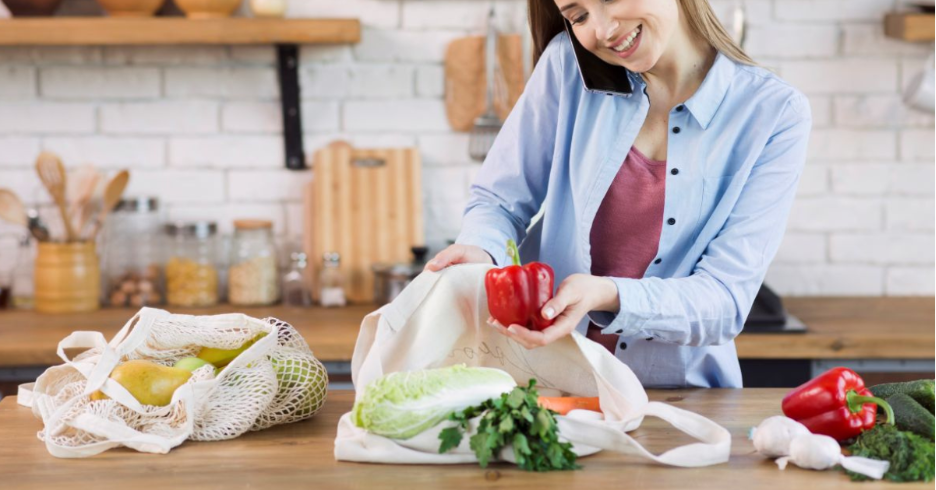
Let us address the elephant in the room right away. Many people believe zero waste living is a “luxury” lifestyle reserved for those who can afford $30 glass jars and expensive organic linen bags. However, this myth could not be further from the truth.
The reality is quite different. True zero waste is fundamentally about frugality. Most sustainable practices actually put money back in your pocket by encouraging you to buy less, reuse what you have, and stop paying for “disposable convenience.”
Think about it this way: Every item you do not buy is a 100% discount. Consequently, affordable zero waste living is not just possible—it is the most practical way to manage a household budget in 2026.
For a complete foundation on this topic, explore our main Zero Waste Living Definition (2026 to 2027): Complete Beginner’s Guide to a Waste-Free Life to understand the core principles before diving deeper.
H2: The Mindset Shift: The “Use What You Have” Rule
The most important change happens in your head before your wallet. Specifically, shifting from accumulation to mindfulness transforms your finances. Before you head to any store, shop your own cabinets first.
The 24-Hour Cooling Period for Purchases
Before any purchase, ask yourself: “Do I truly need this, or am I just bored?” Implementing a 24-hour waiting rule for non-essential items stops impulse buys in their tracks. That trendy “eco-friendly” kitchen gadget might look nice, but a knife and cutting board you already own usually do the same job.
Sonika Bhasin, a Mumbai mother living zero waste for five years, explains it perfectly. “Every time I consider buying something, I ask whether it will truly serve us or just become tomorrow’s clutter.”
Community Over Consumption: The Library of Things
Before buying a power drill, a ladder, or a specialized baking pan, check for a Library of Things or Tool Library in your city. These amazing community resources let you borrow items for free. Consequently, borrowing is the ultimate zero-waste, zero-cost move.
Similarly, join local Buy Nothing groups on Facebook. People give away everything from furniture to baby clothes for free, just to keep items out of landfills.
Kitchen: Where the Biggest Savings Live
The kitchen generates the most waste and offers the greatest savings opportunities. Therefore, start your journey here for maximum impact.
Meal Planning: Your $1,500 Annual Raise
According to the EPA, food waste costs the average American family roughly $1,500 per year. That is money literally thrown in the trash. Simple meal planning changes this completely:
- The “Shop Your Pantry” Challenge: Build your weekly menu around what is already hiding in the back of your cupboard.
- The “Eat Me First” Bin: Dedicate one shelf in the fridge for items nearing expiration. Use them before they spoil.
Cook once, eat twice: Make extra portions for lunches or future frozen meals.
The Math of Reusables
| Item | Disposable Annual Cost | Zero Waste Alternative | Year 1 Savings |
| Paper Towels | $80 | Old t-shirt rags (Free) | $80 |
| Bottled Water | $200 | Filte H3: The Math of Reusables r + reusable bottle | $160+ |
| Plastic Wrap | $20 | Upcycled glass jars (Free) | $20 |
| Coffee Pods | $400+ | French press or compostable | $300+ |
| Plastic Bags | $40 | Reusable totes (often free) | $40 |
This shows how quickly reusable swaps can pay for themselves—some within weeks, others within months, but all adding up to significant savings over time.
Bathroom & Cleaning: High Performance, Low Cost
Commercial cleaners are mostly water mixed with expensive synthetic fragrances. You can do better for pennies.
The Three-Ingredient Cleaning Kit
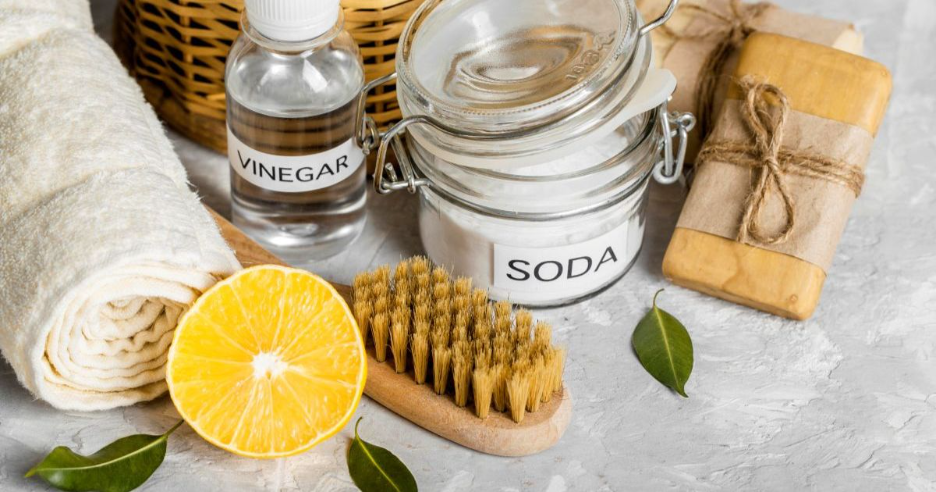
You can clean 90% of your home with just these three items:
- White vinegar: Disinfects and cuts grease. Costs about $0.10 per use.
- Baking soda: Provides gentle abrasion for scrubbing. Costs about $0.05 per use.
- Castile soap: A concentrated soap lasting months. Costs about $0.15 per use.
Pro Tip: Don’t like the smell of vinegar? Infuse it with leftover citrus peels (lemon or orange) for two weeks. It smells like a professional cleaner for a fraction of the price.
Personal Care: A Reality Check
DIY personal care is wonderful, but it requires some trial and error. For example, sugar and coconut oil make a world-class body scrub. However, if a DIY deodorant doesn’t work for your body chemistry, don’t give up on sustainability entirely.
Look for “refillable” brands or soap bars packaged in cardboard. Remember, progress matters more than perfection
Shopping: Secondhand First, New Never
The most sustainable item is the one that already exists. Consequently, making secondhand your first choice saves significant money.
The “Secondhand First” Rule
ommit to checking these sources before buying anything new:
- Local thrift stores for clothing, kitchen items, books, and furniture
- Facebook Marketplace for larger furniture and household goods
- Garage sales for bargains on everything
- Clothing swaps with friends for free wardrobe refreshes
The Environmental Protection Agency confirms that extending the life of clothing by just nine months reduces carbon and water footprints by 20-30% each.
The $20 “Quick-Start” Shopping List
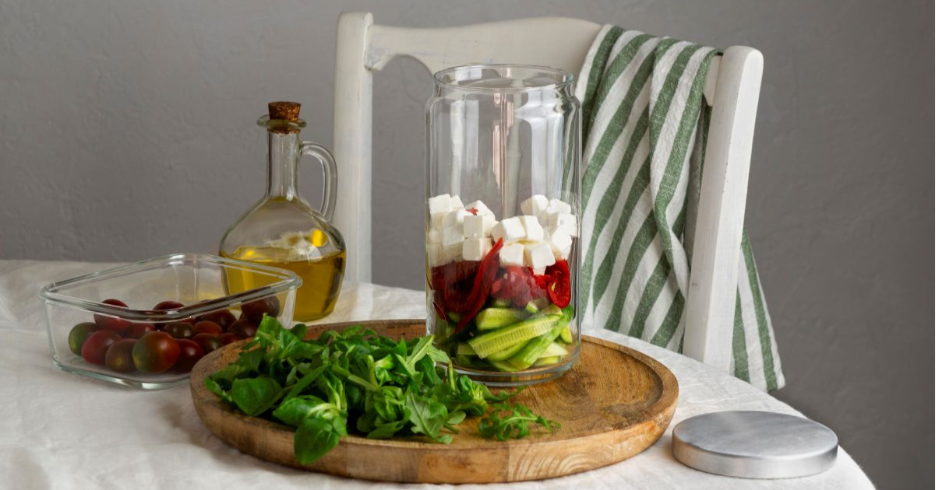
If you have $20 and want to jumpstart your journey, head to a thrift store and look for these four items:
- A Set of Cloth Napkins ($4): Stop buying paper ones forever.
- A Stainless Steel Water Bottle ($5): Skip the plastic taste and the cost.
- A Cast Iron Skillet ($8): It will last for your grandchildren’s grandchildren.
- A Quality Mason Jar ($1-2): For leftovers, smoothies, or dry goods.
Real Example: The Martinez Family’s Journey
The Martinez family of four from Arizona started their zero waste journey with exactly this approach. With just $20 and a trip to their local thrift store, they bought cloth napkins, a water bottle, and a cast iron skillet.
Maria Martinez shares, “We didn’t overhaul our lives overnight. We just started with one small swap. Within six months, our grocery and household budget dropped by over $200 a month.”
Their secret? They also discovered their city’s Library of Things and stopped buying tools they only needed once. Consequently, their savings grew while their trash bin shrank.
Frequently Asked Questions
Is zero waste living actually cheaper?
Yes, absolutely. While some upfront costs exist for reusable items, they pay for themselves within months. Additionally, buying less overall, reducing food waste, and making your own products all lower your monthly expenses.
What if I cannot afford reusable products upfront?
Start with what you have. Use old t-shirts as cleaning rags. Repurpose glass jars from pasta sauce for storage. Focus first on free changes: meal planning, buying less, and using up what you already own.
How do I handle family members who resist?
Lead by example quietly. Make your own changes, enjoy the savings, and let results speak for themselves. Often, family members come around when they see money saved or enjoy homemade treats.
Conclusion: Your Wallet and the Planet Will Thank You

Affordable zero waste living isn’t about buying the right things. It is about buying fewer things.
Remember these key truths:
- Start small: Pick one room, master it, then move on.
- Use what you have: An old pasta jar works as well as a $15 designer canister.
- Progress matters more than perfection: Every small change counts.
The Martinez family proved it. Sonika Bhasin lives it. You can do it too.
Start today with one small change. Maybe it is skipping paper towels. Perhaps it is planning your next meal. Whatever you choose, know that you are saving money while saving the planet.
For more foundational knowledge, revisit our zero waste living definition and 2026 to 2027guide whenever you need inspiration.
External Resource: For scientifically backed guidance on reducing household waste, explore the Environmental Protection Agency’s sustainable materials management resources at www.epa.gov/smm.
Your affordable zero waste journey starts now. Enjoy every penny saved and every piece of waste avoided.