

Introduction: What Zero-Waste Living Really Means
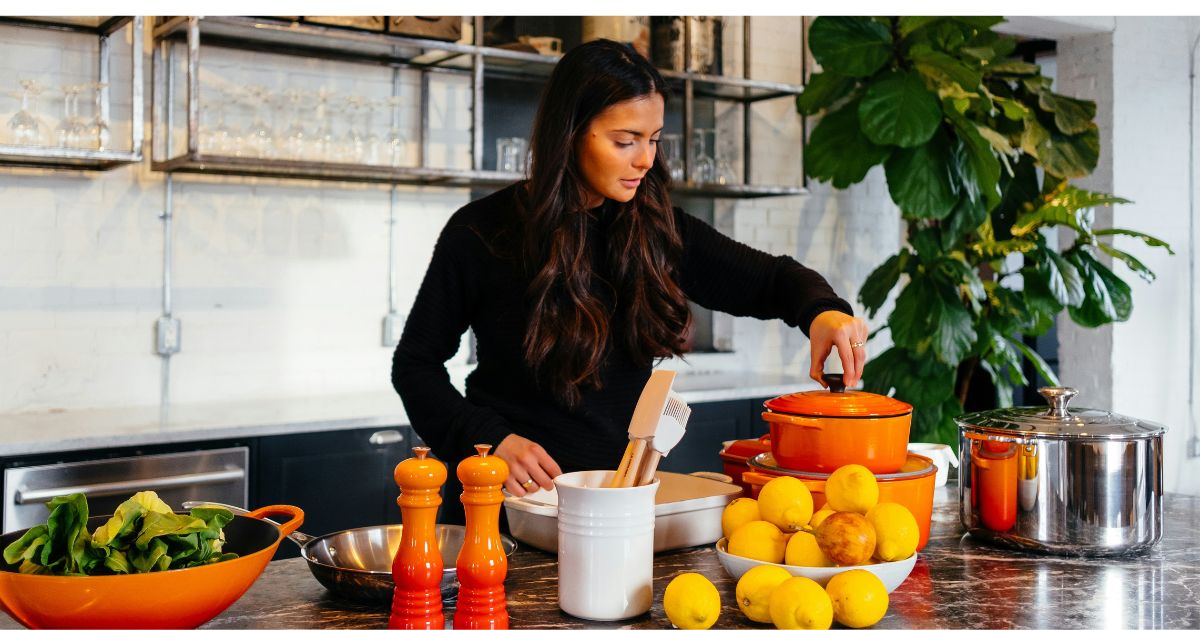
Let us clear up a common misconception right away. Zero-waste living is not about perfection. Instead, it is about making conscious choices that reduce your environmental footprint while creating a healthier home for your family
Many people feel overwhelmed when they first consider this lifestyle. However, the truth is far more encouraging. Small, consistent changes in your daily habits add up to significant positive impact over time
Mother Earth doesn’t need a handful of people living in zero waste perfectly. She needs millions of people to do it imperfectly. Therefore, this guide focuses on practical, manageable steps that fit into real life.
Think of zero-waste living as a journey rather than a destination. Consequently, every reusable bag you remember, every vegetable scrap you compost, and every chemical cleaner you replace matters.
For a complete foundation on this topic, explore our main pillar page on zero-waste living definition and 2026 guide to understand the core principles before diving deeper
The Mindset Shift: From Consumer to Conscious Steward

Before changing what you buy, change how you think about buying. This fundamental shift makes every other change easier and more meaningful.
Progress Over Perfection
The most important rule of zero-waste living is simple: do not let perfect be the enemy of good. For instance, if you forget your reusable bags sometimes, that’s okay. Just try again next time.
Sonika Bhasin, a Mumbai mother who has lived without garbage bins for five years, puts it beautifully: “I never intended to change the world, but it turns out that simple choices—made every day—can start a chain reaction”
Her journey began with small swaps after becoming a mother. Similarly, you can start where you are with what you have.
Understanding the “Why” Behind Your Choices
When you understand why your actions matter, motivation comes naturally. Specifically, food waste in landfills decomposes without oxygen, releasing methane—a gas 80 times more powerful than carbon dioxide
Similarly, many conventional cleaning products contain chemicals that harm both your family’s health and water systems Consequently, natural alternatives protect everyone.
Starting in the Heart of Your Home: The Kitchen
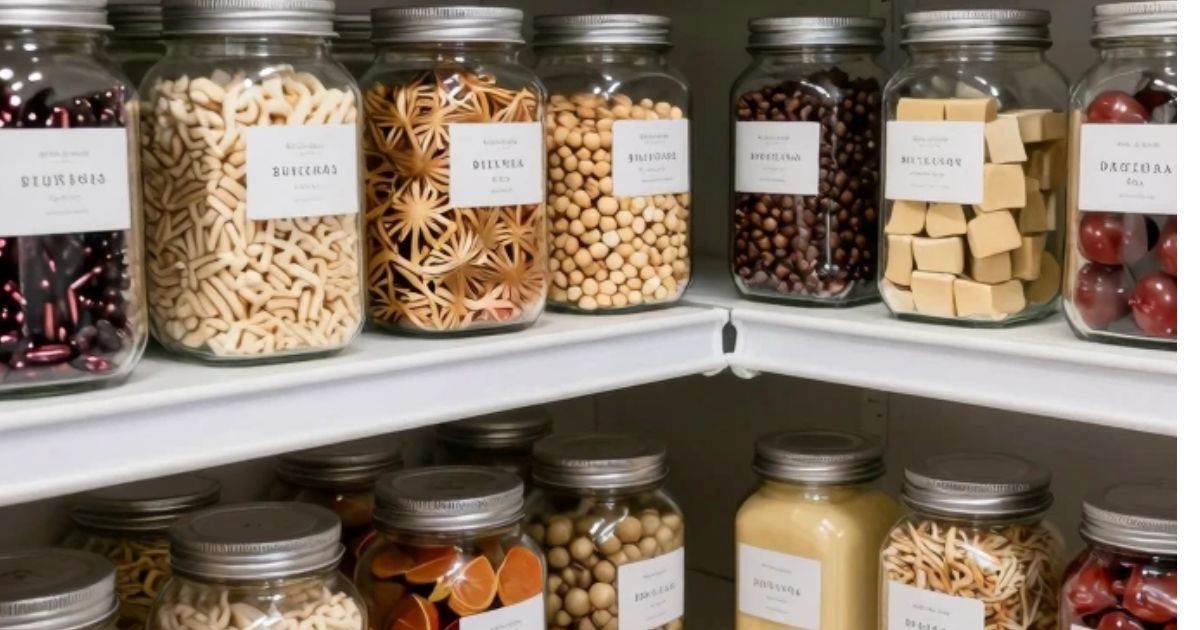
The kitchen generates more waste than any other room. Consequently, it offers the greatest opportunity for impact.
Smart Food Planning to Slash Waste
According to Dr. Elliot Woolley, Reader in Sustainable Production at Loughborough University, “To reduce food waste at home, start by creating a weekly or monthly meal plan. Buying only the ingredients you need prevents over-purchasing”
Here are practical steps that work:
- Check your pantry and fridge before shopping. Know what you already have.
- Make a detailed list and stick to it. Avoid multi-buy offers that encourage impulse purchases
- Store food properly to extend its life. Refrigerate apples and oranges, but keep onions and potatoes at room temperature
- Freeze leftovers immediately if you won’t eat them within two days.
- Use your freezer strategically for blanched vegetables, batch-cooked meals, and surplus produce
Simple Kitchen Swaps That Add Up
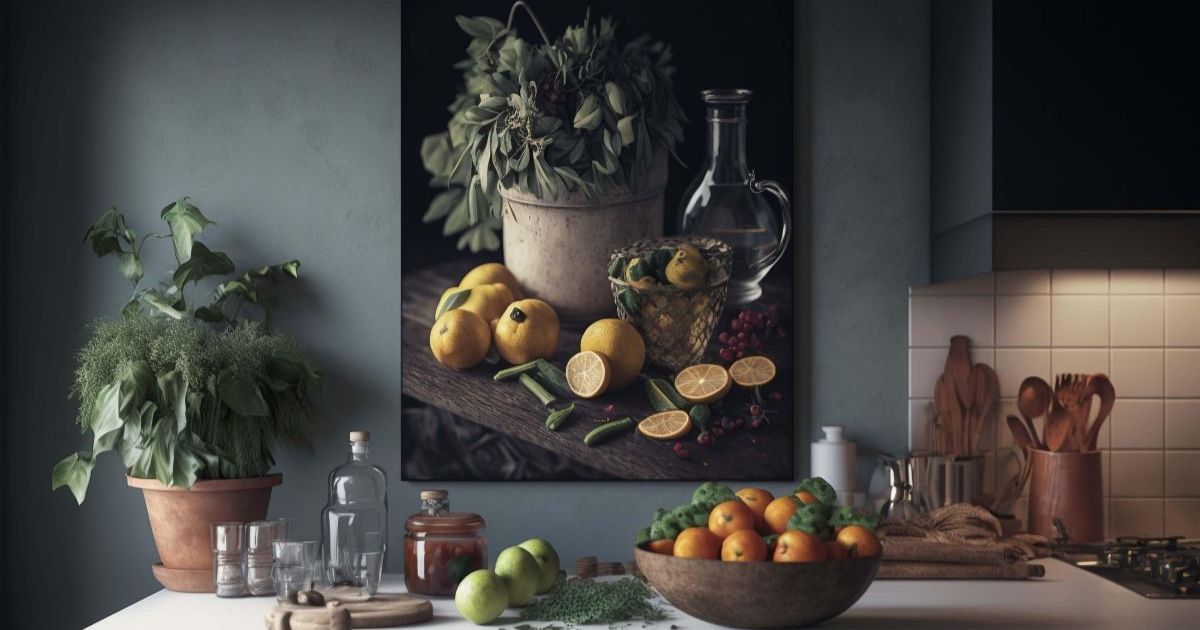
Start with these easy replacements
Beeswax wraps instead of plastic cling film. They’re reusable, compostable, and easy to make at hom
Wooden dish brushes instead of single-use plastic sponges
Solid dish soap blocks instead of plastic-bottled liquid soap
Cloth napkins and rags instead of paper towels
Glass or stainless-steel containers for leftovers instead of plastic
Give Scraps a Second Life with Composting
Composting is nature’s recycling system. It transforms kitchen scraps into nutrient-rich soil that feeds your garden and completes a beautiful circle
The Environmental Protection Agency confirms that composting helps sandy soils hold nutrients, loosens clay soils, and feeds beneficial organisms
Start simply with:
A small countertop bin for daily vegetable scraps, eggshells, and coffee grounds.
- A backyard compost bin or tumbler for outdoor space.
- A worm bin (vermicomposting) for apartments or small spaces
Sonika describes the process as “nature’s alchemy. With time, microbes, and the right balance, these scraps turn into black gold—rich compost that feeds our home garden
The Bathroom: An Overlooked Opportunity
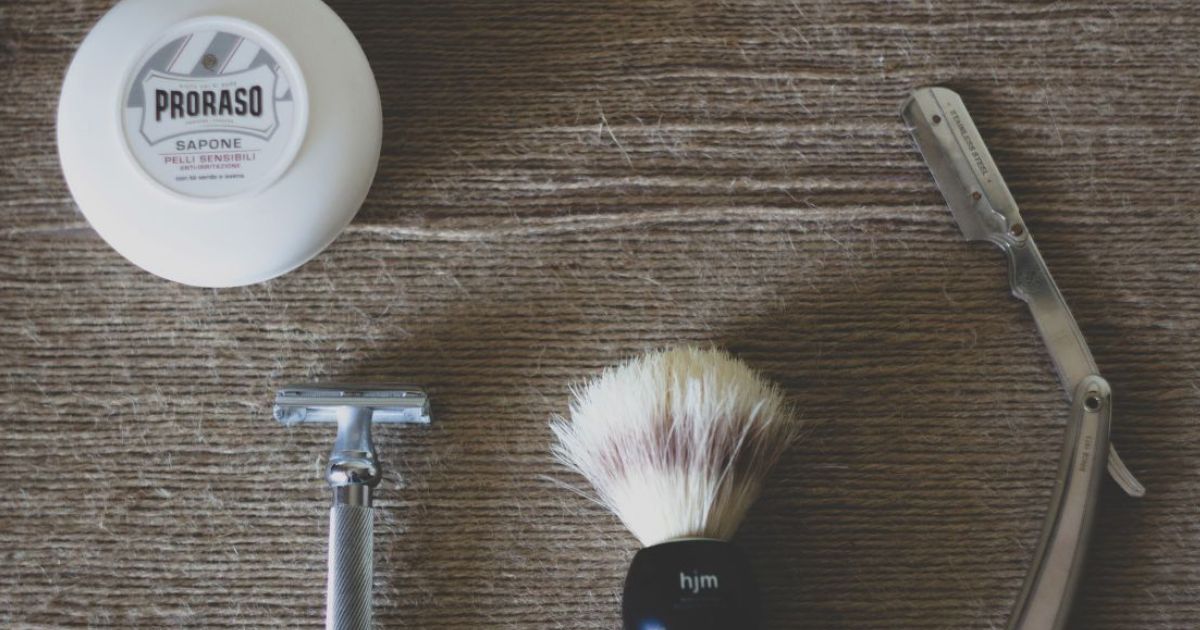
Plastic bottles accumulate quickly in bathrooms. However, this room offers some of the easiest plastic-free swaps.
Plastic-Free Personal Care
Consider these simple substitutions:
- Shampoo and conditioner bars eliminate plastic bottles entirely
- Safety razors with replaceable blades instead of disposable plastic razors
- Wooden toothbrushes instead of plastic ones
- Menstrual cups or cloth pads instead of disposable sanitary products
Sonika explains, “I use a menstrual cup, cloth napkins, and even opted for reusable diapers when my son was little. It’s all about reducing reject waste”
Natural Cleaning for a Non-Toxic Home
Many store-bought cleaners contain harsh chemicals your family doesn’t need. Fortunately, natural alternatives work just as well
DIY Cleaning Solutions That Actually Work
Holistic author Janey Lee Grace recommends keeping these basics on hand:
- White vinegar cuts grease, removes odors, and polishes chrome.
- Baking soda scrubs surfaces, deodorizes carpets, and tackles tough stains
For a natural antibacterial spray, mix water with a few drops of tea tree or lavender essential oil in a reusable spray bottle
The EPA offers this all-purpose recipe:
1 cup warm water + 3 drops vegetable-based liquid soap + 1 teaspoon baking soda + 1 tablespoon white vinegar
Bioenzymes: Cleaning That Keeps Giving
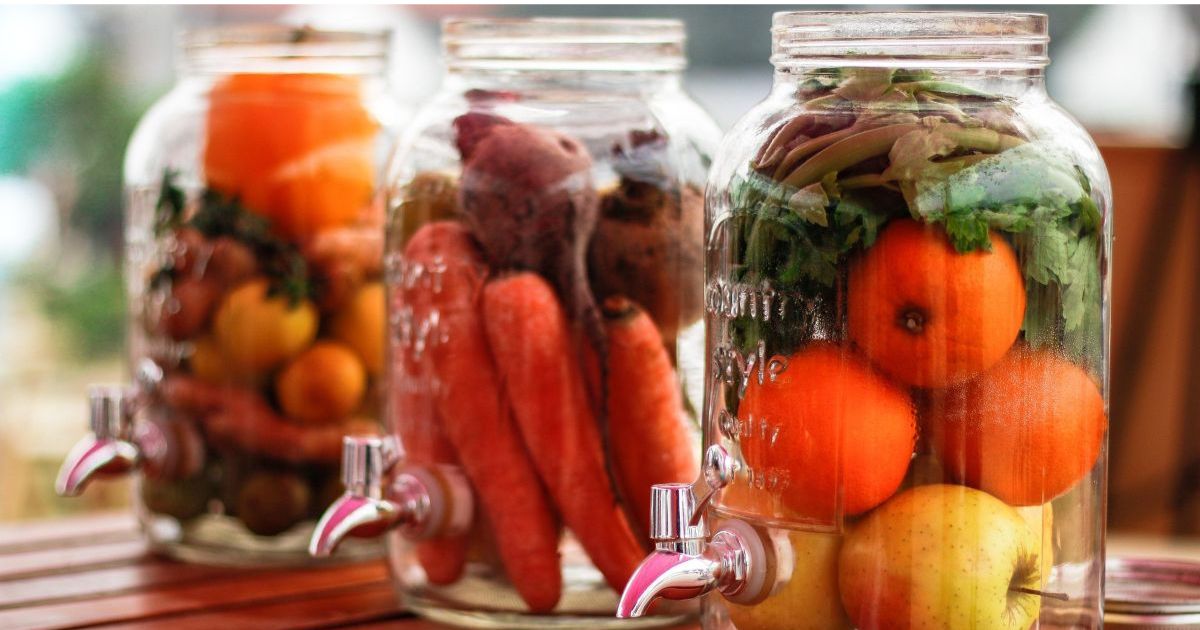
Sonika makes her own bioenzymes from fruit peels, jaggery, and water. “It’s not just better for the environment,” she notes, “but also for my plants, since the leftover solution acts as fertilizer and pesticide” .
This closed-loop system means your cleaning supports your gardening, and your gardening supports your kitchen.
Beyond the Home: Shopping and Clothing
What you bring into your home matters as much as what you do inside it.
Rethinking Your Shopping Habits
Apply these principles before every purchase:
- Ask “Do I really need this?” Wait seven days before buying non-essentials to eliminate impulse purchases
- Choose products with minimal packaging or packaging that is truly recyclable.
- Buy in bulk using your own containers when possible
- Support local producers to reduce transportation emissions
Embracing Secondhand and Preloved Items
The fashion industry generates enormous waste. You can be part of the solution by:
- Hosting clothing swaps with friends for a fun, free way to refresh your wardrobe .
- Making thrift stores your first stop for clothing, furniture, and household items.
- Donating usable items to charity instead of throwing them away .
- Choosing natural fibers like cotton, linen, and wool over synthetic materials .
According to Wrap, approximately £140 million worth of used clothing ends up in UK landfills every year . Your choices directly reduce this waste.
Energy and Water: The Hidden Parts of Your Footprint
Zero-waste living extends beyond physical objects to include energy and water use.
Simple Energy Savings
The World Health Organization emphasizes that energy-efficient homes generate multiple health benefits .
Easy steps include:
- Turning off lights when leaving a room for more than 15 minutes .
- Unplugging electronics when not in use; they consume energy even on standby .
- Using natural light as much as possible during daytime hours .
- Switching to LED bulbs when replacements are needed
Water Conservation Matters
Simple water-saving habits make a real difference:
- Fix leaks promptly; small drips add up to gallons wasted .
- Collect grey water from sinks and showers to water plants .
- Turn off the tap while brushing teeth or scrubbing dishes
Frequently Asked Questions About Zero-Waste Living
H3: Is zero-waste living expensive?
Not at all. In fact, it typically saves money. Buying less, choosing secondhand, and making your own cleaning products all reduce expenses. The upfront cost of reusable items pays for itself quickly through repeated use .
How do I start without feeling overwhelmed?
Start with one area. Maybe focus on kitchen food waste this month. Next month, tackle bathroom plastics. Small, focused steps prevent overwhelm and build lasting habits
What if my family isn’t on board?
Lead by example rather than demanding change. Make your own swaps, share your reasons casually, and celebrate small wins. Often, family members come around when they see positive results .
Real Inspiration: The Bhasin Family Story
Consider the Bhasin family of Mumbai. For over five years, they have lived without a traditional garbage bi
Their daily rhythm includes:
- Composting all kitchen scraps on their balcony
- Making bioenzymes from fruit peels for cleaning
- Shopping with cloth bags at local stores
- Choosing secondhand clothing and reusable diapers
Sonika reflects, “Abir’s birth made me rethink our consumption. I didn’t want my child to inherit a planet drowning in waste” .
Today, their young son watches vegetable scraps transform into garden food, learning that waste doesn’t have to be wasteful
Conclusion: Your Journey Starts Today

Zero-waste living is ultimately about intention, not deprivation. It is a liberation from excess, a celebration of mindful choices, and a pathway to spaces that truly nourish .
Remember these key truths:
- Small changes compound into significant impact over time .
- Progress matters more than perfection .
- Your choices influence others, creating ripples beyond what you see
Mother Earth doesn’t demand perfection. She simply benefits from every conscious choice you make.
Start today with one small change. Notice what works and adjust what doesn’t. Celebrate your progress and keep going.
For a complete foundation on zero-waste principles, revisit our main zero-waste living definition and 2026 guide whenever you need a refresher.
External Resource: For scientifically backed guidance on healthy housing and environmental health, explore the World Health Organization’s housing and health guidelines at www.who.int .
Your journey toward zero-waste living is exactly that—a journey. Enjoy the discoveries along the way.