

To choose a reusable drinking straw, start with who will use it, what they drink, and whether you can clean it after each use. Stainless steel is durable but rigid; silicone bends and feels softer; glass lets you see inside but can break; and bamboo varies in shape and care needs. For many homes, the best low-waste choice is simply to drink from the cup without a straw when one is not needed.
This guide compares straw materials, safe use and cleaning, then explains how reusable chopsticks fit into a low-waste kitchen. A Keurig reusable K-cup has a different purpose and search intent, so it should be covered in a separate coffee-pod guide rather than forced into this straw article. For the wider home context, see our Zero Waste Living guide.
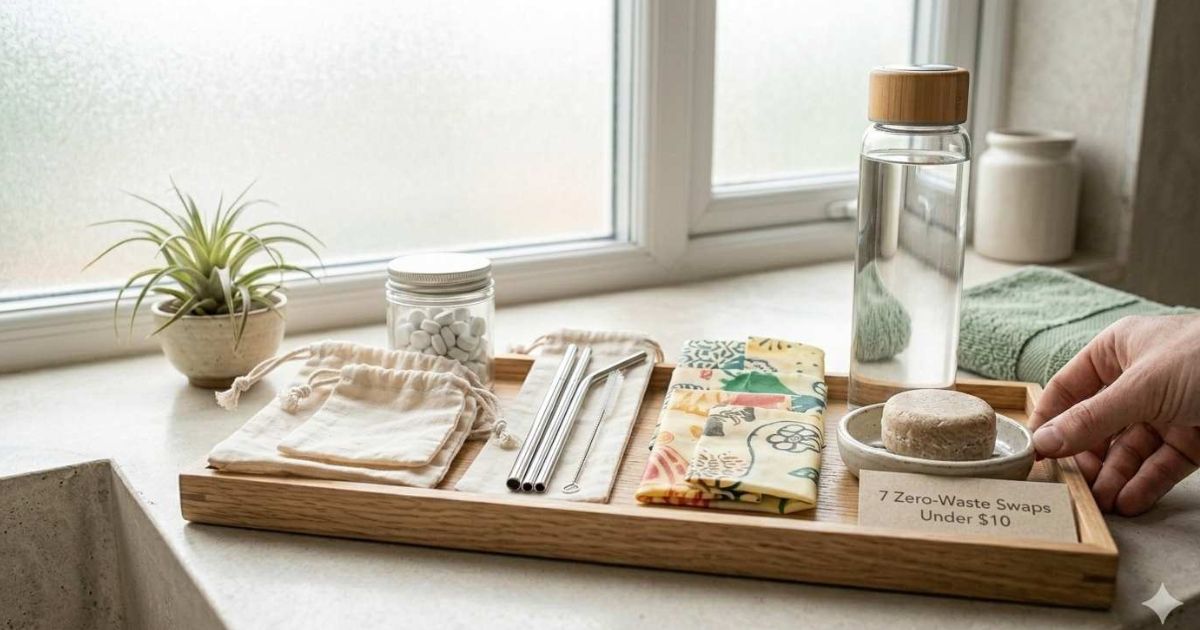
Compare the main reusable straw materials
| Material | Strengths | Things to consider | Often suits |
|---|---|---|---|
| Stainless steel | Durable, compact and easy to carry | Rigid and can feel very cold or hot; not ideal for active use by young children | Adults who want a long-lasting travel option |
| Silicone | Flexible, soft and less likely to break | Check food-contact information and whether the straw can be turned inside out or brushed clean | People who prefer a softer mouthfeel |
| Glass | Lets you see residue and does not add a metallic taste | Can break; use carefully and inspect for chips or cracks | Careful home use with a protective sleeve |
| Bamboo | Lightweight and made from a plant material | May absorb moisture or odors; follow care instructions and replace if damaged | People who prefer a natural material and will dry it thoroughly |
The German Federal Institute for Risk Assessment identifies silicone, stainless steel and glass as suitable alternatives for repeated use when material requirements are met, while noting the breakage risk with glass. Product quality and manufacturer instructions matter: look for clear food-contact information, a smooth finish, and a brush or cleaning method that reaches the full inside length.
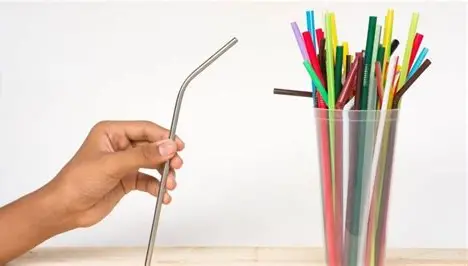
Think about comfort and safety
Choose a straw length and diameter suited to your cup and beverage. A very narrow straw can be inconvenient for thick drinks; a wide straw can make thin drinks flow faster than expected. If you use a travel cup, check that the straw fits through its lid without pressing against the bottom. For children, people with limited coordination, or anyone who may move while drinking, a rigid metal or glass straw can create an injury risk. Consider a flexible straw, a lidded cup designed for the user, or no straw.
Reusable items still need cleaning. Rinse promptly after use, then wash the inside with warm soapy water and the right-length brush. Follow the maker’s dishwasher instructions; not every material or coated finish is dishwasher-safe. Let the straw dry fully before storing it in a closed pouch. Do not keep using a straw with cracks, sharp edges, loose parts or damage you cannot clean.
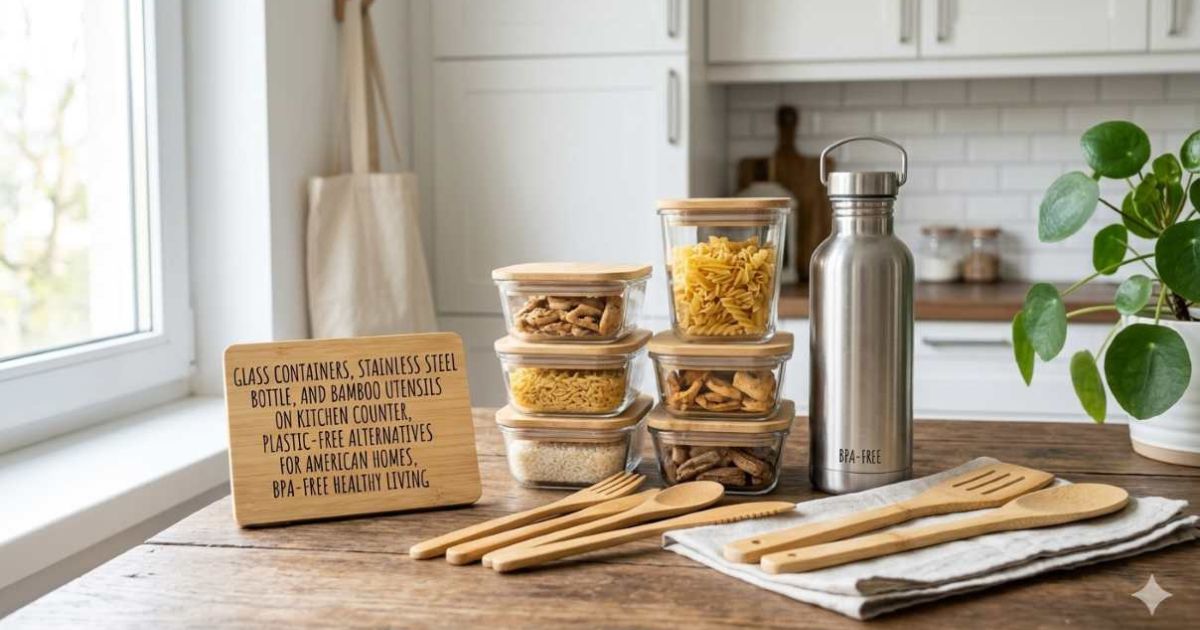
How to choose reusable chopsticks
For chopsticks, consider material, grip, length and care. Stainless steel is durable and compact but may feel slippery for beginners. Bamboo and wood are light and have a warmer grip; check whether the product is finished with a food-safe coating and whether it is dishwasher-safe. Silicone-tipped or textured designs can help with grip but may have more seams to clean. If the chopsticks are for a lunch bag, choose a protective case that can be washed and dried separately.
Chopsticks and straws are both reusable kitchen tools, but they solve different tasks. You do not need a matching set of every material. Start with the item you use often, learn its cleaning routine, and buy another only if it fits a real need. The EPA’s general waste-reduction advice prioritizes reducing disposables and using reusable dishes and silverware when practical.
A simple selection checklist
- Choose a material that suits the user’s age, mobility and comfort.
- Check food-contact details and the manufacturer’s washing instructions.
- Make sure the brush can clean the straw’s full interior.
- Pick a length and diameter that fit the cups you already use.
- Skip a straw when it is unnecessary, and avoid buying backup sets that will sit unused.
Before buying, check the details that affect everyday use. Confirm that the straw fits your usual cup and can be cleaned with a brush that reaches its full length. If it has a bend, valve or several joined parts, check whether those parts separate for washing and drying. A carry case is useful only if the straw can dry fully before storage; sealing a damp item can encourage odor. For a shared household, label personal straws or keep them in separate clean containers. If you have limited hand strength or dexterity, a wider, flexible design may be easier to handle than a narrow rigid tube. People with swallowing difficulties, reduced sensation or certain medical conditions should follow advice from a qualified clinician about whether straws are appropriate. For hot drinks, confirm the product’s temperature guidance and use a design that will not become uncomfortable to hold. A small brush and a simple drying spot often matter more than buying a large set of accessories.
Frequently asked questions
Which reusable straw is easiest to clean?
Choose a straight design with a brush that reaches end to end. The easiest material depends on the product’s shape and the maker’s cleaning guidance, so inspect the design before buying.
Are metal straws suitable for children?
A rigid straw can cause injury if someone moves or falls while using it. For young children, consider a flexible option or a cup designed for their needs, and supervise according to the product instructions.
Does a reusable K-cup belong in this guide?
It is reusable kitchenware, but it is a coffee-pod product with its own compatibility, cleaning and coffee-ground questions. It deserves a separate focused guide.
Choose fewer tools and use them well
A good reusable straw or set of chopsticks should feel comfortable, fit your routine and be easy to wash. Compare the actual care instructions, keep it clean and replace it only when worn or damaged. For more practical steps to reduce single-use household items, visit our Zero Waste Living beginner guide.
Further reading: German Federal Institute for Risk Assessment: alternatives to plastic straws · U.S. EPA: reduce plastic waste.