

To choose reusable shopping bags, match the bag to the way you shop: a washable tote for regular groceries, a sturdy structured bag for heavy items, and a small foldable bag for everyday errands. The best bag is one you already own and will keep using. There is no universal “break-even number” that applies to every bag, because material, manufacturing and how often it is reused all affect its footprint.
This guide compares common bag materials, explains size and care, and helps you build a small set without buying more totes than you need. For the larger waste-reduction framework, see our Zero Waste Living beginner guide.
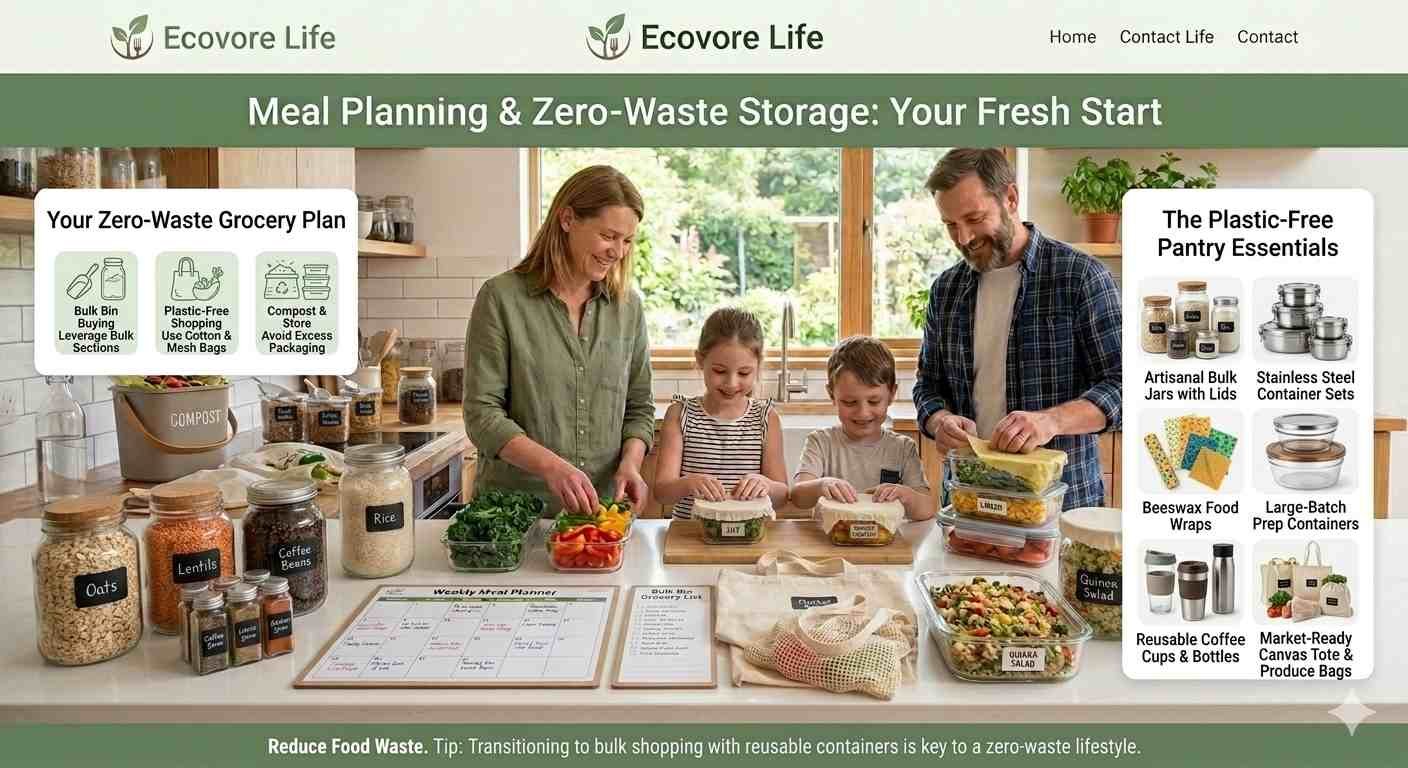
Choose by shopping job
Start with what the bag needs to carry. For weekly groceries, look for comfortable handles, a base that holds its shape and seams suited to the expected load. A light cotton or recycled-fiber tote folds easily for errands but may be harder to clean than a smooth synthetic bag. A heavier canvas tote can carry more, but it takes space and may need many uses to offset the materials used to make it. A compact foldable bag is useful as a backup, though its size may not suit bulky produce or heavy cans.
| Bag type | Useful for | Check before buying | Care |
|---|---|---|---|
| Existing plastic or paper bag reused | Using what is already at home | Handles and seams are intact | Keep dry; reuse until worn |
| Lightweight foldable tote | Everyday backup and small shops | Load rating, stitching and wash instructions | Wash as directed and dry fully |
| Cotton or canvas tote | Regular grocery trips and heavier items | Weight, handle length, usable volume | Machine wash only if the label allows |
| Insulated bag | Cold or frozen groceries and longer drives | Lining, closure, wipe-clean seams | Clean spills promptly; dry open |
| Mesh produce bag | Loose fruits, vegetables or bulk items | Mesh size, tare weight and store policy | Wash and dry between uses |

Compare material without overbuying
“Reusable” describes how an item is used, not a guarantee that every version has the same environmental impact. Cotton and canvas are durable but can require more resources to produce and water to wash. Recycled-content polyester or polypropylene bags may be light and quick to dry, but they still need to be used repeatedly and disposed of responsibly at end of life. Jute and other plant fibers vary in strength and care requirements. Rather than replacing every bag because a different material sounds greener, use your serviceable bags for as many trips as practical.
Virginia Cooperative Extension’s best-practice guidance recommends following the bag’s care label because cleaning procedures depend on fabric and construction, and storing bags clean and dry. This is useful for choosing as well as maintaining a bag: if you know you will not wash a delicate tote, choose one that fits your real routine.
Separate food and non-food uses
Keep grocery bags for groceries. Do not use the same bag for gym clothes, shoes, cleaning supplies or household trash and then place food in it without cleaning. Store raw meat and seafood separately from ready-to-eat foods, ideally in a leak-resistant bag or the store’s packaging. If a bag becomes wet or has a spill, clean it according to the material instructions and let it dry completely before folding it away. A small label, color difference or designated hook can help family members remember which bag is for produce, cold items or general shopping.
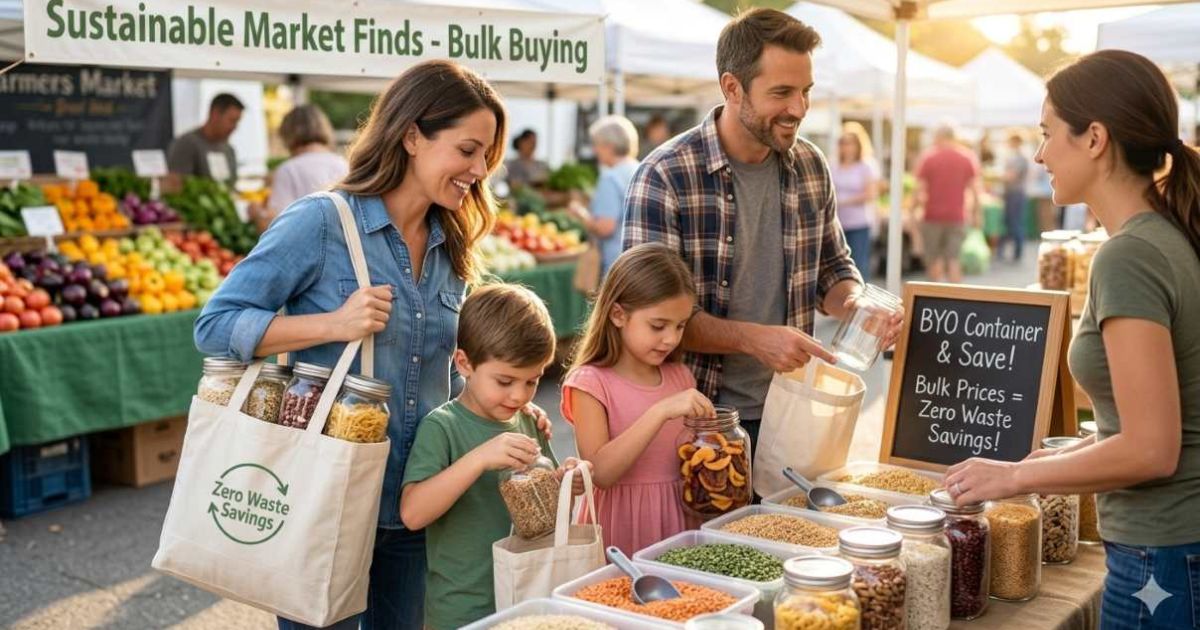
Make cleaning part of the choice
Check the care tag before buying. Some bags are machine washable; others should be wiped clean because of insulation or coatings. After washing, dry the bag fully, including seams and corners. A damp folded bag can develop odors. For insulated bags, inspect the lining and zipper area for crumbs or leaks. Replace a bag only when it is torn, difficult to clean or no longer safe for its job. If a bag is still usable but you have too many, give it to someone who will use it or check local textile reuse options.
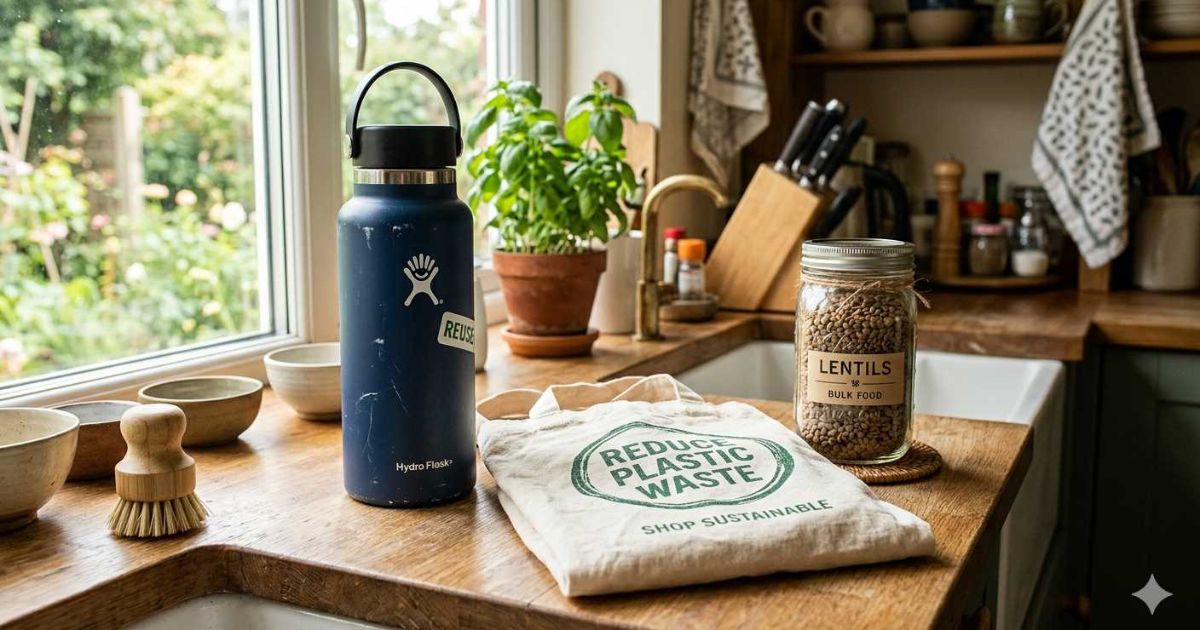
Build a simple bag system
- Keep one or two bags by the door or in the car, where local rules allow.
- Choose a foldable backup that fits your daily bag.
- Use an existing clean box or paper bag when you forget a tote instead of buying another reusable bag.
- Choose only the number of produce bags you actually use.
- After shopping, return bags to the same storage spot so they are ready next time.
The U.S. EPA recommends bringing a reusable bag and choosing products with less packaging as part of reducing plastic waste. That advice works best when “reusable” means repeated use, not frequent replacement. Use the bags already in your home, add a new one only to solve a real problem, and keep it clean and easy to reach.
Frequently asked questions
How many times must I reuse a shopping bag?
There is no single number that applies to every material or bag. The practical goal is to use the bag repeatedly and avoid accumulating more bags than your household needs.
Are cotton bags always the best choice?
Not automatically. Cotton can be durable, but its production and washing also have impacts. A bag you already own and use many times can be a better choice than buying a new bag just to switch materials.
Should reusable shopping bags be washed?
Clean them when they are dirty or have carried leaking food, and follow the manufacturer’s care instructions. Let them dry completely before storage.
Choose the bag you will actually reuse
The right reusable shopping bag is sturdy enough for its job, easy to carry, simple to clean and already part of your shopping routine. Start with a few bags you own, separate food uses and keep them where you will remember them. Then explore our Zero Waste Living guide for more practical ways to reduce single-use waste at home.
Further reading: U.S. EPA: What You Can Do to Reduce Plastic Waste · Virginia Cooperative Extension: Best Practices for Reusable Grocery Bags.