

Introduction
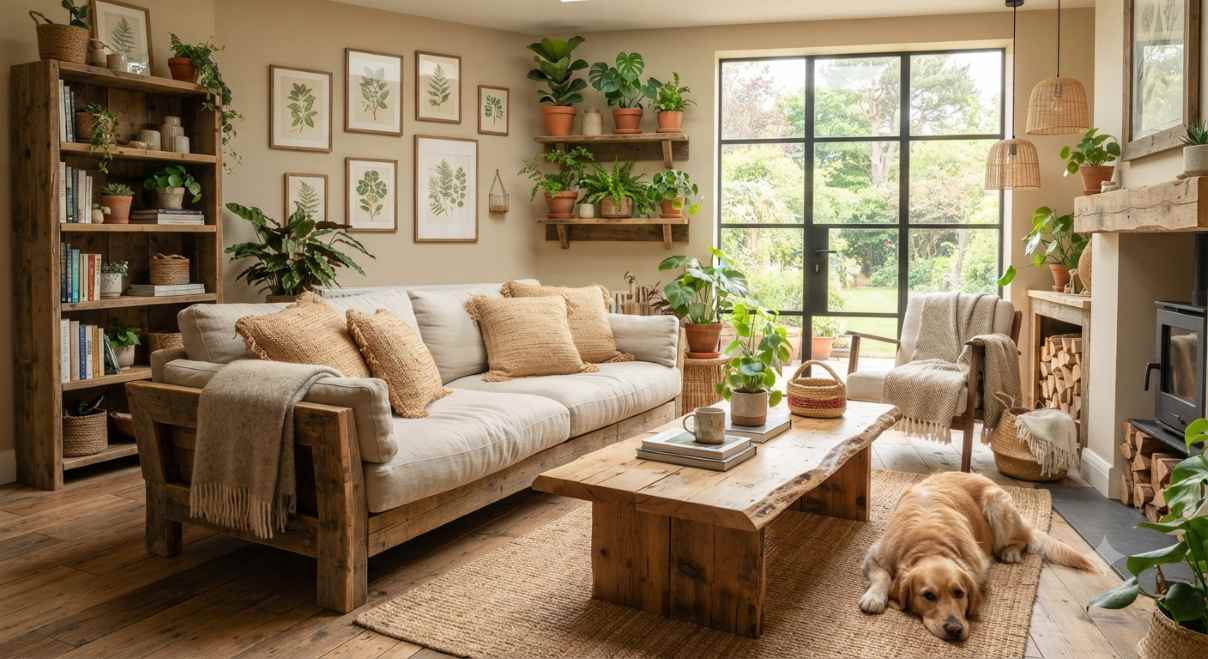
Your living room sees more daily use than almost any other room in the house. That makes it a great place to start reducing waste.
A zero waste living room doesn’t mean giving up style. It means choosing pieces that last, reducing clutter, and rethinking what “new” really means. This guide walks through practical, realistic ways to make your living space more sustainable.
What Does a Zero-Waste Living Room Actually Mean?
A zero-waste living room focuses on longevity over trends. Instead of chasing fast furniture and disposable decor, the goal is thoughtful, lasting choices.
This approach borrows from minimalist design too. Fewer, better items usually create a calmer, more functional space. Because of this, sustainability and good design often overlap more than people expect.
Zero Waste vs. Minimalist Living Room Design
These two ideas often get confused, but they’re not identical. Minimalism focuses on reducing quantity. Zero waste focuses on reducing environmental impact.
That said, they work well together. A minimalist living room naturally produces less waste, since fewer items mean less packaging, less clutter, and less eventual disposal.
Sustainable Materials to Look For
Certain materials hold up better over time and create less environmental strain. Common examples include:
- Reclaimed wood for shelving or tables
- Bamboo for accent furniture or decor
- Cork for flooring or coasters
- Organic cotton or linen for cushions and throws
These materials are typically biodegradable and require fewer resources to produce than synthetic alternatives.
How to Start a Zero-Waste Living Room
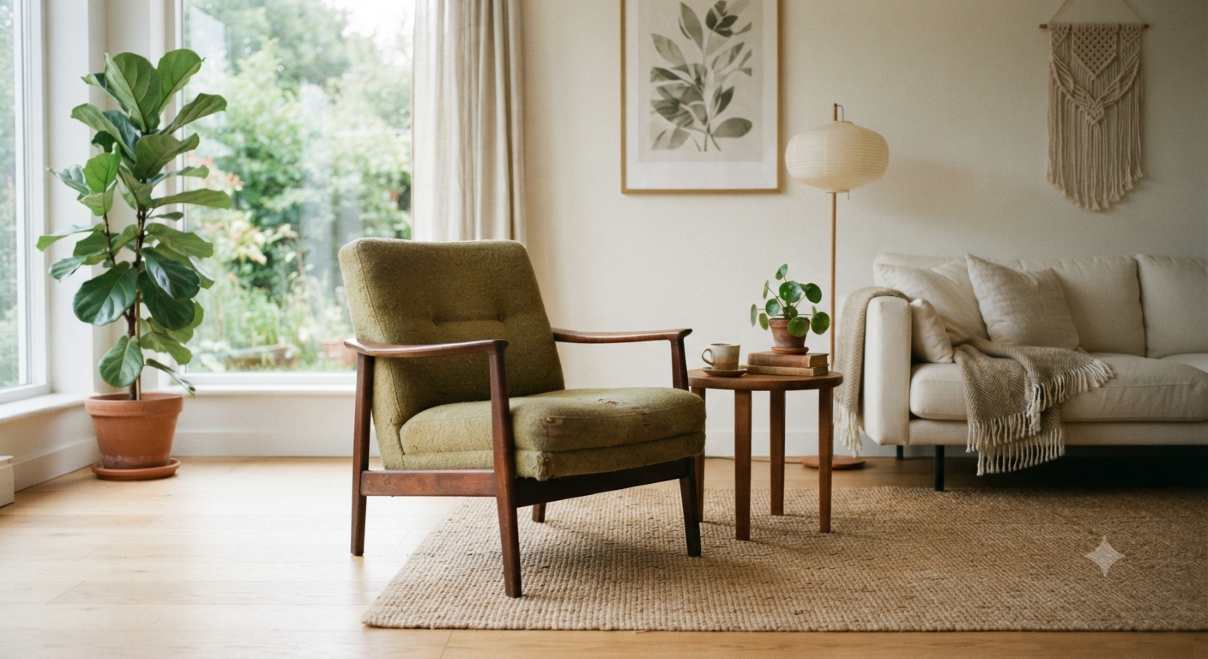
Getting started doesn’t require replacing everything you own. In fact, the best first step is using what’s already in your space.
- Assess what you already have. Before buying anything new, take stock of usable furniture and decor.
- Choose secondhand first. Thrift stores, marketplaces, and estate sales often have quality vintage pieces.
- Repurpose old items. Worn jeans, old jars, or leftover fabric can become rugs, storage, or wall art.
- Add houseplants. Plants improve air quality and add life to a room without creating waste.
- Pick multi-functional furniture. A storage ottoman or sofa bed reduces the need for extra pieces.
- Repair before replacing. Reupholstering or fixing furniture extends its life significantly.
- Avoid single-use decor trends. Skip seasonal decorations that only last one use.
These steps work well together. Start with one or two changes, then build from there over time.
For more foundational tips on reducing household waste, check out our related guide on 20 ways to reduce waste at home.
Creative Ways to Reduce Waste in Your Living Room
Small, creative projects can make a big difference. Many people find satisfaction in transforming old materials into something new.
Here are a few ideas worth trying:
- Turn old denim into a woven rug or floor mat
- Press flowers or leaves into simple framed wall art
- Refinish an old coffee table instead of buying new
- Use glass jars as candle holders or plant pots
- Choose vintage frames for photos or artwork
These small projects often become favorite pieces in a room, precisely because they carry a story.
Example: A Denim Rug Project
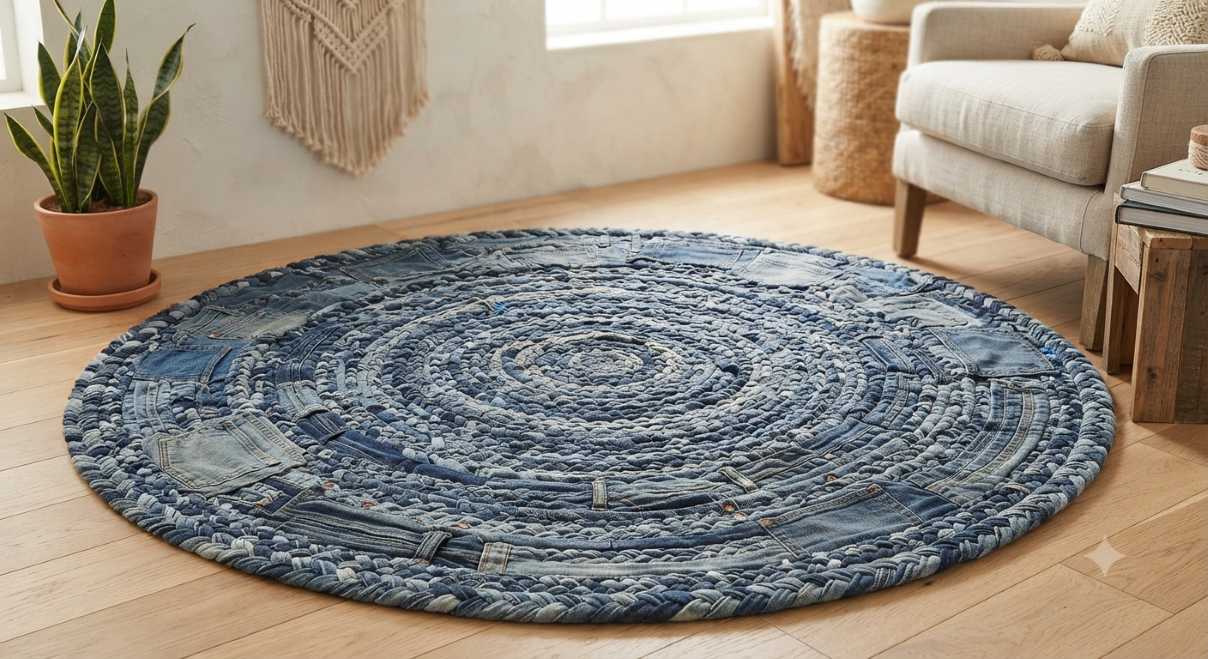
One popular project involves turning several pairs of old, unusable jeans into a woven floor rug. The process involves cutting strips of denim and weaving them into a durable, textured design. This kind of project shows how everyday waste can become a functional, stylish home piece with just a bit of effort.
Benefits of a Zero-Waste Living Room
Beyond environmental impact, a zero-waste approach offers practical benefits too.
- Lower costs. Secondhand and repurposed items usually cost less than new furniture.
- Unique style. Vintage and upcycled pieces create a look that’s hard to replicate with mass-produced decor.
- Less clutter. Thoughtful curation naturally reduces excess items and visual noise.
- Longer-lasting furniture. Quality materials and proper care extend a piece’s usable life.
According to the EPA’s guidance on sustainable materials management, choosing durable, reusable products is one of the most effective ways to reduce long-term waste. This reinforces why furniture longevity matters as much as material choice.
Frequently Asked Questions
Is zero-waste living expensive to create? Not usually. Secondhand furniture and repurposed decor often cost less than buying new, trend-based pieces.
Can I make my living room zero waste without a full renovation? Yes. Small swaps, like choosing vintage decor or repairing existing furniture, make a noticeable difference over time.
What’s the easiest first step toward a zero-waste living room? Start by using what you already own. Avoid buying new items until you’ve assessed your current space fully.
Conclusion
A zero-waste living room isn’t about perfection or an expensive redesign. It’s about intentional choices that reduce waste while creating a space you genuinely love.
Start small. Choose one project, like repurposing an old item or shopping secondhand for your next piece. Over time, these small decisions add up to a living room that’s both sustainable and uniquely yours.
Ready to get started? Pick one item in your living room to repair, repurpose, or replace sustainably this week.
One thought on “Zero Waste Living Room: A Simple Guide to Sustainable Decor”