
introduction
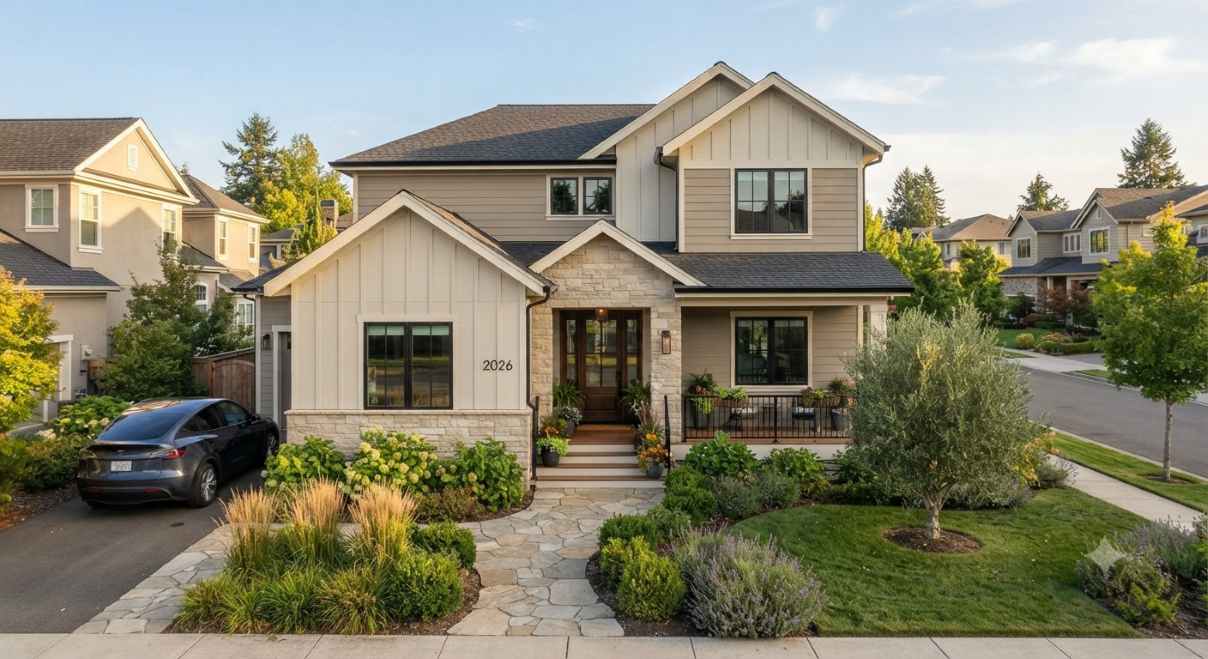
If you drove through any new neighborhood a few years ago, you probably noticed a pattern: crisp white siding, black window frames, and glossy black front doors on nearly every house. That look had a moment. But when it comes to 2026 Exterior Design Trends: What’s In & What’s Out. The industry is quietly moving away from stark contrast. This shift says a lot about what homeowners actually want from their homes right now — not just style, but substance.
This year’s exterior trends aren’t chasing the next big statement. They’re about warmth, texture, and materials that are built to last decades, not just a few Instagram cycles. Here’s what’s fading, what’s taking its place, and why it’s worth paying attention to if you’re planning a renovation or a new build or just want your home to age gracefully.
The Big Picture: Exterior Design in 2026
In short, 2026 exterior design favors warm neutrals, natural textures, and durable materials over stark contrast, high-gloss finishes, and trend-chasing color choices. It’s less about making a bold first impression and more about creating a home that still looks good in ten years.
Out: Stark All-White Exteriors
White exteriors aren’t disappearing — they’re one of the most enduring choices in home design, and that’s not changing. What is changing is the temperature of the white. The cool, almost clinical whites that dominated the last decade are starting to feel a little sterile next to what’s coming next.
In: Soft, Warm Neutrals
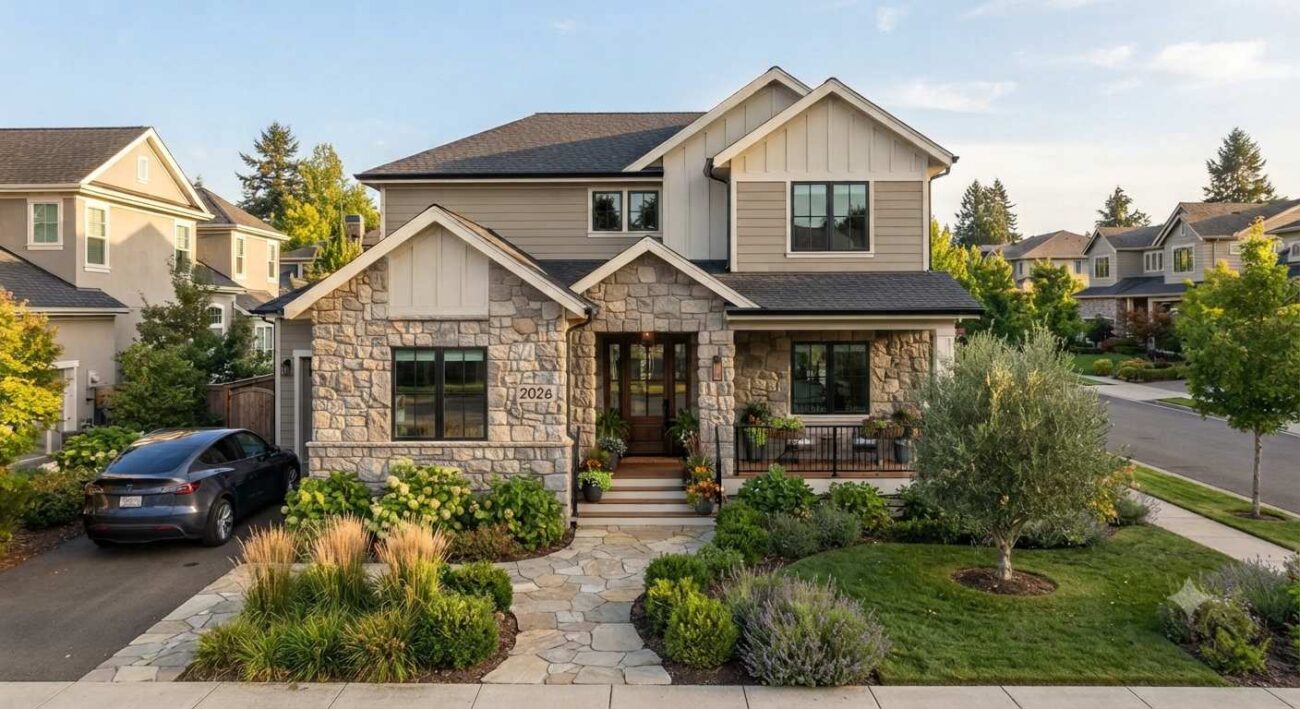
Homeowners are gravitating toward off-whites, creams, and soft bone tones that bring warmth without losing that clean, classic look. Instead of stark black-and-white contrast, designers are layering warmer neutrals — think greige and tan — with natural textures. Wood-grain finishes, like Cedar Renditions™, are a big part of this shift, adding the kind of subtle variation that makes a home feel lived-in rather than staged.
Out: Trend-Driven Color Pops
For years, exterior color trends moved fast—bold black one season and sage green the next. That works fine for a front door or a set of shutters you can repaint in an afternoon. It works a lot less well for siding, trim, or anything else that’s expensive and time-consuming to change.
In: Quiet Luxury That Lasts
Instead of chasing the next color trend, more homeowners are opting for what’s being called “quiet “luxury”—restrained, warm, layered neutrals with clean architectural lines and quality materials that don’t need to shout to feel elevated. Products like TruExterior® siding lean into this, mimicking the shadow lines and proportions of real cedar lap siding, now available in a 5/8” profile, while still offering the low-maintenance durability of poly-ash construction. You get the craftsmanship of a classic look without babysitting it every season.
Out: High-Gloss Finishes
High-gloss finishes look striking in photos, but living with them is another story. Every brushstroke, seam, and lap line shows up under a glossy surface, and keeping that shine flawless over time is genuinely difficult—even for experienced pros.
In: Organic, Textured Surfaces
Texture is doing the work gloss used to do. Manufactured stone veneer is a good example — it adds depth and richness, and its natural imperfections are actually the point, tying into the broader move toward biophilic, nature-inspired design. Panelized systems like Versetta Stone® and Eldorado Stone’s® Stacked Stone profile make this look far easier to install, giving you the appearance of real stone without mortar or major installation headaches.
Out: Materials Chosen for Looks Alone
Plenty of exterior materials have had their moment purely because they looked good in a photo. The problem is that “trendy” and “durable” aren’t always the same thing, and materials chosen for visual impact alone tend to age faster—both aesthetically and structurally—especially once weather gets involved.
In: Durability and Low Maintenance, By Design
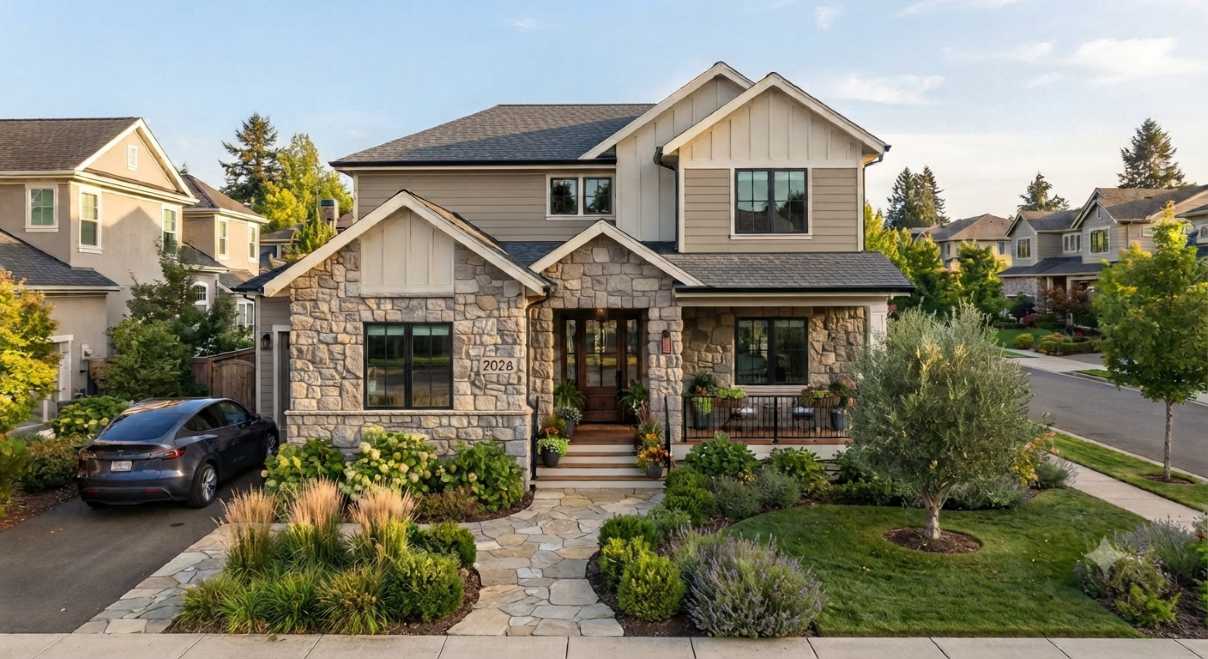
Busy schedules, unpredictable weather, and rising maintenance costs are pushing homeowners toward materials that look good and hold up. Newer window lines, like the Magnolia Collection’s black-frame option, pair a sleek look with practical, moisture-resistant PVC construction built for a range of climates. Roofing has followed the same path — options like Unified Steel® and Newpoint® Concrete offer refined textures and profiles while standing up to impact, high winds, fire, and long-term weather exposure.
Out: One-Size-Fits-All Curb Appeal
Here’s a trend that doesn’t get talked about enough: the cookie-cutter exterior. For years, new-build neighborhoods leaned on a handful of repeatable facade templates—same trim color, same door style, same landscaping package—because it was fast and predictable. It’s efficient for builders, but it’s why so many streets start to blur together.
In: Regionally Inspired, Personalized Exteriors
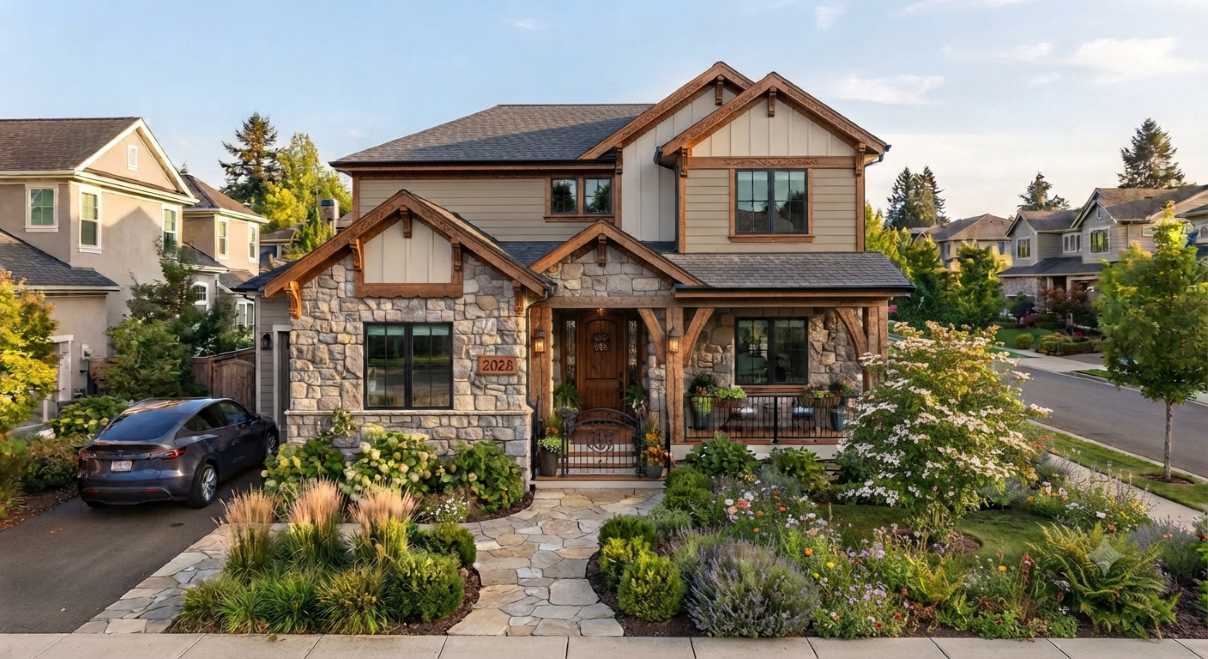
Homeowners are pushing back on the template look in favor of exteriors that actually reflect where they live and how they live. That might mean leaning into materials and colors that suit a region’s climate and architectural history or simply choosing details—a hand-selected stone pattern, a custom trim color, an unexpected roofline—that make a home feel specific rather than replicated. It’s a natural extension of the “quiet luxury” mindset: personal, intentional choices over whatever’s easiest to mass-produce.
The Bottom Line
2026’s exterior trends aren’t really about a new color palette or a fresh material—they’re about a mindset shift. Homeowners are choosing warmth over stark contrast, texture over gloss, durability over disposability, and individuality over the template. Trends will keep cycling the way they always have, but an exterior built around genuine quality and personal character tends to stay relevant long after the “trend” label wears off.
Frequently Asked Questions
Why are stark all-white exteriors becoming less popular? All-white exteriors aren’t going away, but the cool, high-contrast whites that were everywhere for the past decade are giving way to warmer, softer shades. Creams and off-whites bring more depth and a more inviting feel without losing that classic look.
How are homeowners adding warmth without going bold on color? Rather than reaching for a statement color, homeowners are layering warm neutrals with texture—like realistic wood-grain siding—to build richness and visual interest without overwhelming the exterior.
What does “quiet luxury” actually mean for a home’s exterior? It’s a design approach built around restraint: clean lines, refined textures, and high-quality materials that feel timeless rather than trend-driven. The goal is an exterior that still looks intentional decades from now, not just for one season.
How do modern materials support this calmer, more timeless aesthetic? Newer siding options combine classic proportions with modern performance. TruExterior’s 5/8″ Lap Siding, for example, delivers the shadow lines of traditional cedar with the low-maintenance durability of poly-ash construction.
How can homeowners balance style with long-term durability? By choosing materials engineered for both, textured stone systems like Versetta Stone or Eldorado Stone, moisture-resistant windows, and impact-rated roofing let you get a refined look without constant upkeep.
How long do exterior design trends usually last? Color-driven trends tend to last two to three years. Material and architectural trends, especially ones tied to durability, often last a decade or longer.
Why is personalized curb appeal replacing the “cookie-cutter” look? As more neighborhoods have adopted repeatable builder templates, homeowners are pushing back with choices that reflect their region, taste, and lifestyle—from custom trim colors to unique stone patterns—making personalization one of 2026’s quieter but more lasting trends.