

Introduction
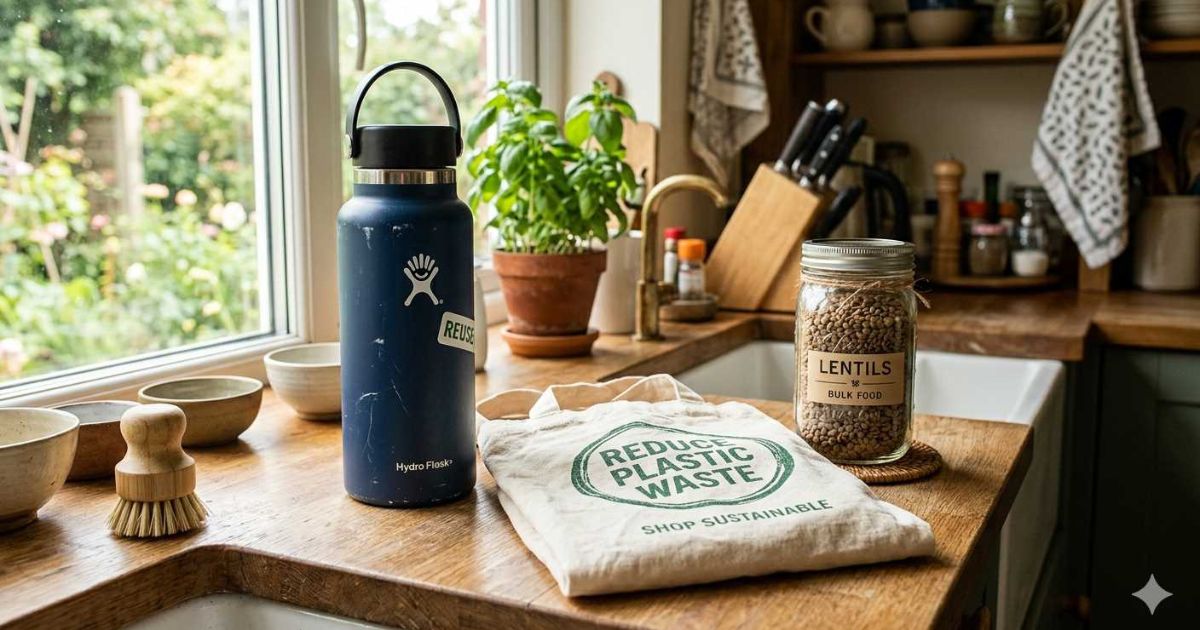
Plastic is everywhere. From food wrappers to water bottles, it fills our homes and landfills.
But here is the good news. You can change this starting today.
Learning simple ways to reduce plastic waste does not require a perfect life. Small actions matter more than big promises.
This guide shares realistic tips. No shame. No pressure. Just progress.
Why Reducing Plastic Waste Matters Right Now
Plastic never truly disappears. It breaks into tiny pieces called microplastics.
These microplastics now exist in our water, soil, and even human blood.
Scientists found that average people eat a credit card’s worth of plastic every week. That sounds scary, but it is true.
By finding better ways to reduce plastic waste, you protect your health and the environment.
Best Ways to Reduce Plastic Waste – Kitchen First
The kitchen produces the most household plastic waste. Food packaging, storage bags, and disposable utensils pile up fast.
Let us fix that with easy changes.
1. Swap Plastic Water Bottles for Reusable Ones
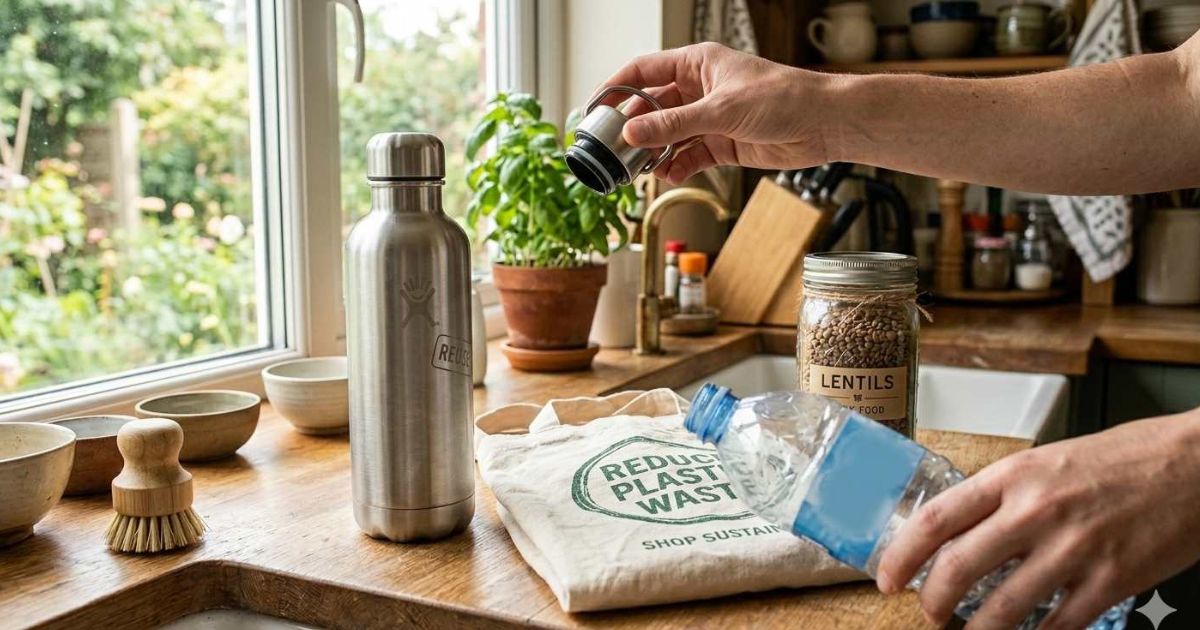
Americans buy over 50 billion plastic water bottles each year. Most end up in oceans or landfills.
A stainless steel or glass bottle costs around $15 to $30. You fill it thousands of times.
This single swap eliminates hundreds of plastic bottles annually. Keep one in your car, bag, and office desk.
2. Bring Your Own Bags Everywhere
Plastic bags take 1,000 years to decompose. Many cities now charge fees for them.
Keep three to five cloth bags folded in your backpack or car trunk. Leave extra bags near your front door as a reminder.
When shopping, just say: “No bag please, I have my own.”
3. Buy in Bulk Using Glass Jars
Most grocery items come wrapped in plastic – rice, pasta, nuts, and spices.
Find a bulk store near you. Bring clean glass jars from home. Weigh them before filling.
You pay for only the food, not the packaging. This is one of the smartest ways to reduce plastic waste and save money.
Bathroom Plastic Swaps That Work
The bathroom hides surprising amounts of plastic. Shampoo bottles, toothbrushes, and razors add up quickly.
4. Switch to Bar Soap and Shampoo Bars
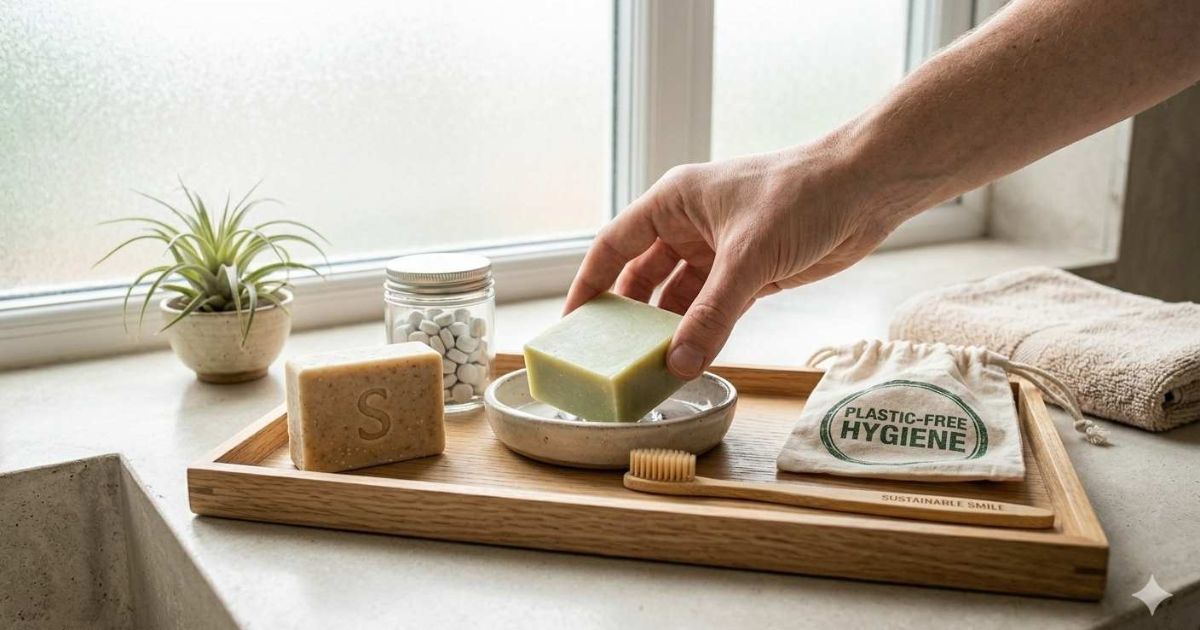
Liquid soap comes in plastic pumps. Shampoo bottles crowd your shower.
Bar soap and shampoo bars use paper packaging only. They last just as long.
Many brands now sell affordable bars at Target, Walmart, or online. Your shower looks cleaner too.
Choose a Bamboo ToothbrushAll Pages
Regular toothbrushes are plastic. They cannot be recycled easily.
Bamboo toothbrushes work the same way. The handle decomposes naturally after months of use.
Keep the plastic ones you already own. Switch to bamboo when you need a new one.
6. Use a Safety Razor Instead of Disposables
Disposable razors have plastic handles and heads. You throw the whole thing away.
A safety razor uses a metal handle that lasts for life. Only the thin steel blade gets replaced.
Blades cost pennies and recycle as scrap metal. Your shave gets closer too.
Easy Habits to Build for Zero Waste Living
Small daily habits create lasting change. You do not need expensive gear.
Real Example – One Family’s First Month
The Martinez family tried three changes for 30 days. They refused plastic straws, carried reusable bags, and bought bulk oats and rice.
In one month, they kept 147 plastic items out of their trash. They saved $23 on packaged goods.
This proves that small actions add up fast.
What to Do With Plastic You Already Own
Many people ask: “Should I throw away my plastic stuff?”
No. That creates waste immediately.
Use what you have first. Wear out those plastic containers. Finish that shampoo bottle.
Then replace with better options when needed. This approach respects both your budget and the planet.
Common Mistakes When Reducing Plastic Waste
H3: Mistake 1 – Buying New “Eco” Products Immediately
You see a beautiful wooden dish brush. You buy it even though your plastic brush works fine.
This defeats the purpose. Use old things fully. Then switch.
Mistake 2 – Focusing Only on Recycling
Recycling feels good, but it is not the hero we think.
Only 9 percent of all plastic ever created has been recycled. The rest is burned, buried, or lost.
Better ways to reduce plastic waste start with refusing and reducing, not recycling.
Mistake 3 – Trying Everything at Once
Change is hard. If you buy ten new reusable items at once, you feel overwhelmed.
Pick one swap every two weeks. Master it. Then add another.
Quick Reference – 7 Best Plastic Swaps Under $10
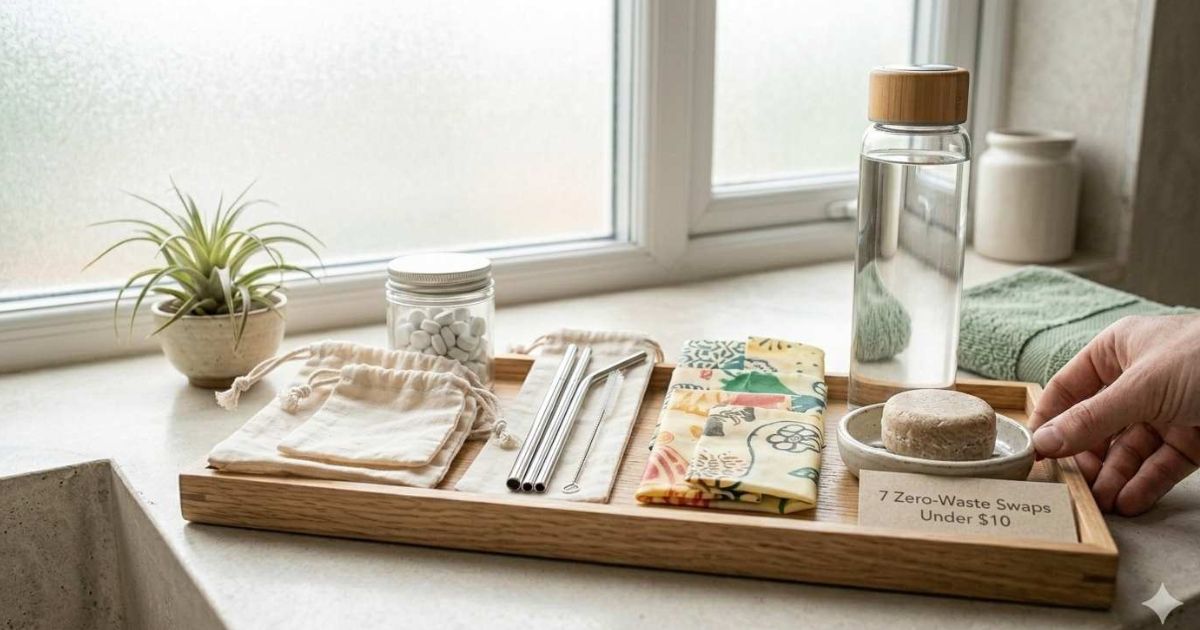
Here are low-cost changes anyone can afford:
- Reusable produce bags – $8 for a set of 5
- Stainless steel straw – $6 (comes with cleaner brush)
- Beeswax wraps – $10 for 3 wraps (replace plastic wrap)
- Silicone food lids – $9 for 4 stretch lids
- Cloth napkins – $8 for 6 pack (no paper towels)
- Metal safety razor blades – $5 for 10 blades
- Glass jar set – $10 (for bulk shopping)
Each swap pays for itself within weeks.
H2: External Resource for Deeper Learning
The Environmental Protection Agency offers free guides on waste reduction. Visit the EPA’s official website for local recycling rules and community programs United States Environmental Protection Agency
Want more help? Read our complete guide on zero waste living for beginners to build on these habits.
👉 Internal link suggestion: “Zero Waste Living Definition 2026–2027 – Complete Beginner’s Guide”
FAQ – Quick Answers to Common Questions
Q1: What is the single most effective way to reduce plastic waste?
Refusing single-use plastic items like bags, straws, and water bottles stops waste before it starts. This creates the biggest impact.
Q2: Are biodegradable plastics a good solution?
Not really. Most biodegradable plastics need industrial composting facilities to break down. These are rare. Regular recycling or reducing works better.
Q3: How long does it take to see results from changing habits?
You will see less trash in your bin within one week. Real environmental impact grows over months as habits become automatic.
Conclusion – Start With One Swap Today
You do not need to live without plastic overnight.
Pick one tip from this list. Maybe a reusable water bottle. Or cloth shopping bags.
Try it for seven days. Notice how easy it feels.
Then add another swap next week.
The best ways to reduce plastic waste are the ones you actually do. Not the perfect ones you only imagine.
Start small. Stay consistent. And watch your trash bin get lighter.
Your future self – and the pl