

Introduction

Food waste has become a major global problem. Every day, households throw away fruits, vegetables, leftovers, and expired groceries. These items could still be used.
As a result, landfills continue to grow. Valuable resources like water, labor, and fuel go to waste too. Fortunately, learning simple ways to reduce food waste can help you save money. Moreover, it supports a healthier planet.
Small kitchen habits often create long-term environmental benefits. Reducing food waste also makes meal planning easier. Plus, it helps households become more organized.
This guide explains practical, realistic, and budget-friendly strategies. No perfection required. Just small steps that work.
Why Reducing Food Waste Matters (2026 Data)
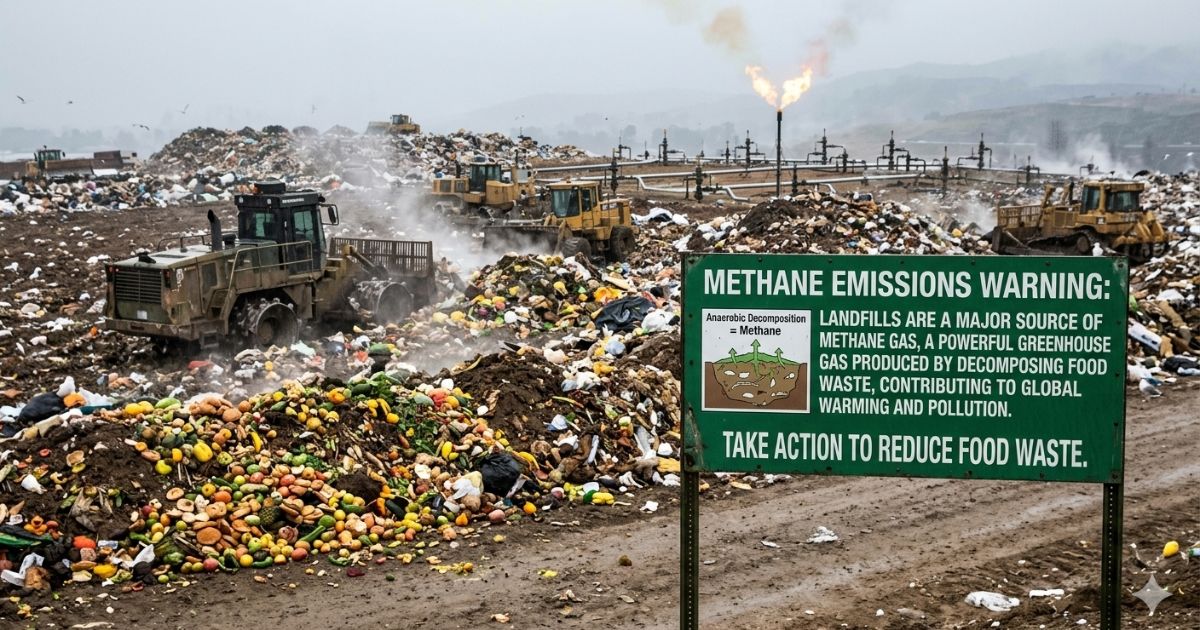
Food waste affects more than household garbage bins.
When wasted food reaches landfills, it produces methane gas. Methane contributes heavily to climate change. In fact, it is 28 times more potent than carbon dioxide.
Additionally, food production requires massive resources:
- Water for irrigation
- Fuel for transportation
- Labor from farmers
- Packaging materials
Therefore, wasting food also wastes energy and money.
According to the United Nations Environment Programme, nearly 1.3 billion tons of food are wasted globally each year. Much of that waste comes directly from homes.
Here is what reducing food waste offers:
- Saves grocery expenses
- Reduces landfill pollution
- Conserves water and energy
- Encourages mindful consumption
- Supports sustainable living
Consequently, even small changes create meaningful environmental impact over time.For more sustainability tips, read our related guide on zero waste kitchen habits
For trusted environmental data, visit the United Nations Environment Programme.
10 Effective Ways to Reduce Food Waste
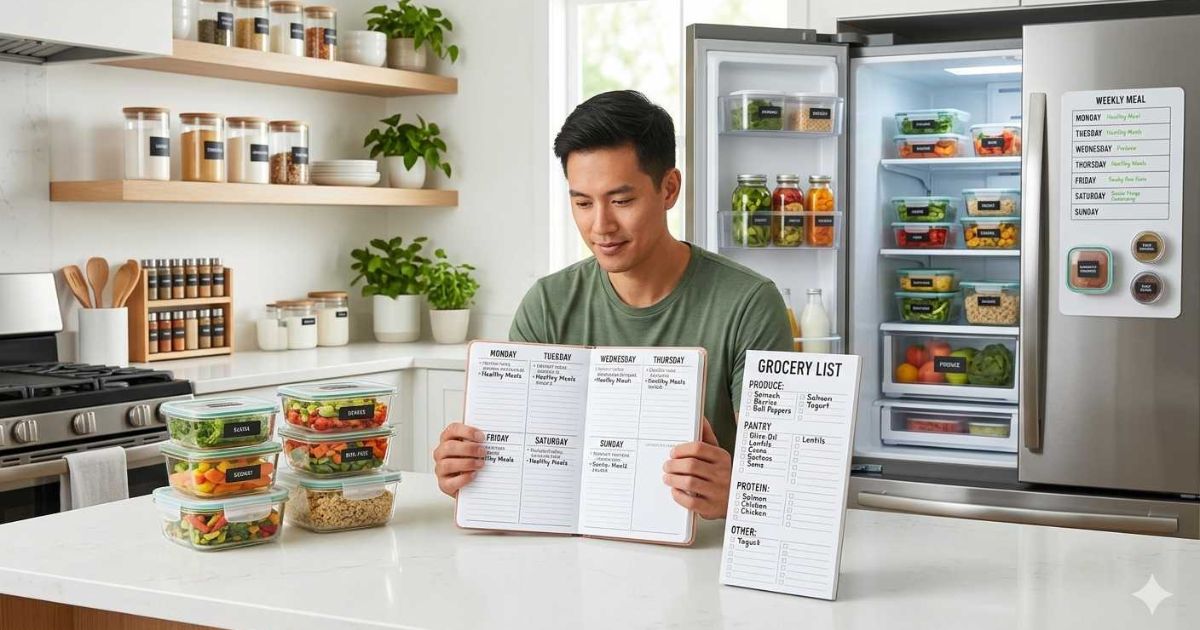
Below are ten actionable strategies. Pick one or two to start. Then add more over time.
1. Plan Meals Before Grocery Shopping
Meal planning remains one of the easiest ways to reduce food waste.
Without a clear shopping plan, many people purchase unnecessary items. These items later spoil in the fridge.
Before visiting the store, do this:
- Check your refrigerator first
- Create a weekly meal plan
- Make a grocery list
- Avoid impulse buying
Additionally, meal planning helps families stay within their food budget. It also reduces stress during busy weekdays.
2. Store Food Correctly
Improper storage shortens food freshness quickly.
However, simple storage methods can extend shelf life significantly.
For example:
- Store herbs in water like flowers
- Keep berries dry until eating
- Freeze leftover bread
- Use airtight containers for cooked meals
Proper food storage is one of the most practical ways to reduce food waste naturally. Furthermore, it saves money by keeping food fresh longer.
3. Understand Expiration Labels
Many consumers misunderstand food labels.
As a result, perfectly edible food often ends up in the trash.
Common labels explained:
- Best Before: Product quality may decline after this date, but it is still safe to eat.
- Sell By: Designed mainly for retailers. Not a safety date.
- Use By: Indicates peak freshness. Use your senses to check safety.
Therefore, learning label meanings prevents unnecessary food disposal. Trust your nose and eyes first.
4. Use Leftovers Creatively
Leftovers can easily become new meals instead of waste.
Here is how:
- Turn vegetables into soup
- Blend ripe bananas into smoothies
- Use stale bread for croutons
- Add leftover rice to stir-fry dishes
- Make fried rice from leftover vegetables
Creative cooking reduces food waste significantly. Moreover, it helps households save money on groceries.
5. Freeze Food Before It Spoils
Freezing extends food life and prevents spoilage.
Many foods freeze extremely well without losing quality.
Good freezer options include:
- Soups and stews
- Cooked pasta and rice
- Vegetables and fruits
- Meat and fish
- Fresh herbs in oil
- Bread and baked goods
Additionally, labeling containers with dates helps households use older items first. This small habit prevents forgotten food.
6. Practice FIFO Organization
Restaurants commonly use the FIFO method. FIFO means “First In, First Out.”
Homes can benefit from this system too.
Here is how it works:
Place older groceries at the front of shelves. Put newer products behind them.
Consequently, food gets used before expiration.
This habit works especially well for:
- Dairy products like milk and yogurt
- Canned goods and jars
- Snacks and dry goods
- Frozen meals and vegetables
7. Buy Imperfect Produce
Many supermarkets reject fruits and vegetables because of appearance alone.
But oddly shaped produce tastes exactly the same. Moreover, it often costs less.
Buying imperfect produce helps reduce food waste throughout the supply chain. Furthermore, it supports sustainable farming practices.
Look for “imperfect” sections in your local grocery store. Some brands even deliver ugly produce to your door.
8. Serve Smaller Portions
Oversized portions frequently lead to wasted leftovers.
Instead, start with smaller servings. Allow second portions only if needed.
This simple strategy:
- Reduces plate waste
- Saves money on groceries
- Prevents overeating
Consequently, portion control benefits both households and the environment. It is especially useful for families with young children.
9. Start Composting Food Scraps

Not all food waste is avoidable. Some scraps are inevitable.
Still, composting transforms organic scraps into nutrient-rich soil. This keeps waste out of landfills.
Compostable materials include:
- Eggshells
- Coffee grounds
- Fruit peels
- Vegetable scraps
- Tea bags
- Nut shells
Even apartment residents can compost. Use compact compost bins or indoor worm composting systems.
Composting is one of the most rewarding ways to reduce food waste because you get free fertilizer for plants
10. Donate Unused Food
If you have unopened food you cannot use, consider donating it.
Do this before expiration. Someone else can benefit.
Many communities support:
- Food banks
- Community kitchens
- Local shelters
- Food-sharing groups
- Neighborhood pantries
Food donation helps reduce waste while supporting people in need. It is a kind and practical habit.
Smart Kitchen Habits That Reduce Waste (Bonus)
Beyond the ten tips above, these small habits make a big difference.
- Keep a “use me first” bin in your fridge
- Cook perishable vegetables first
- Turn wilting greens into pesto
- Pickle extra cucumbers or carrots
- Share excess garden produce with neighbors
These habits take almost no extra time. Yet they prevent significant food waste.
Real-Life Example
Meet David, a father of two from Chicago.
Last year, his family wasted nearly $150 in food monthly. He felt frustrated.
So, he started small.
First, he began meal planning every Sunday. Then, he taught his kids the FIFO method. Next, he bought a small compost bin for kitchen scraps.
Within three months, his household cut food waste by 55%. Additionally, he saved nearly $80 per month.
David says, “I wish I started sooner. It is not hard. You just ned a few new habits.”
Benefits of Reducing Food Waste
Why put in the effort? Here are real rewards.
- Save money – Less food in the trash means lower grocery bills.
- Cleaner kitchen – No spoiled food smells or fruit flies.
- Protect the planet – Less methane from landfills.
- Better organization – You always know what is in your fridge.
- Mindful eating – You appreciate food more.
These benefits grow over time. Even small changes add up.
Common Mistakes That Increase Food Waste
Many households waste food without realizing it.
Here are common mistakes to avoid:
- Buying groceries without a list
- Ignoring leftovers in the fridge
- Storing produce incorrectly
- Cooking oversized meals
- Misunderstanding expiration labels
- Overstocking the fridge
Fortunately, these habits can improve quickly. Simple awareness and planning make a big difference.
Frequently Asked Questions (FAQ)
Q1: What is the easiest way to reduce food waste at home?
Meal planning is the easiest way. It prevents unnecessary grocery purchases and spoilage. Start by checking your fridge before shopping.
Q2: Does composting really help reduce waste?
Yes, absolutely. Composting keeps organic waste out of landfills. It turns food scraps into nutrient-rich soil for gardening. Even apartment residents can compost.
Q3: Why do households waste so much food?
Most household food waste comes from poor planning, improper storage, oversized portions, and confusion about expiration labels. Fortunately, all of these are fixable.
Q4: Can reducing food waste really save money?
Yes. The average family saves $50–$150 monthly after building new habits. Less waste means less money spent on food that never gets eaten.
Conclusion
Learning practical ways to reduce food waste does not require perfection.
Instead, it starts with small daily decisions. These gradually become long-term habits.
Whether you begin with meal planning, composting, or smarter food storage, every action matters.
Moreover, reducing food waste helps households save money. It also protects natural resources for future generations.
Start with one simple habit today.
Tomorrow, add another.
Over time, those small changes can create a healthier kitchen, a cleaner home, and a more sustainable future.