

Introduction

Imagine electricity traveling hundreds of miles from a power plant to your home. Along the way, some of that energy disappears as heat, a problem known as transmission loss that costs millions of dollars every year.
Energy-efficient cable technology in the USA is changing this. Modern engineers are designing smarter, high-performance cables that reduce energy waste, improve grid reliability, and safely handle more electricity across the country
As Americans use more energy for electric vehicles, air conditioning, and home appliances, the demand for efficient power delivery keeps growing. For tips on reducing your personal energy consumption, explore Green Lifestyle 101: The Ultimate Guide to Sustainable Living, Zero Waste, and Eco-Friendly Habits. Modern cables are stepping up to meet this challenge.
Energy-Efficient Power Cables in the USA

Traditional power cables lose energy because electrical resistance creates heat. The longer the cable, the more energy disappears before reaching its destination.
Energy-efficient power cables fight this loss using better materials and smarter engineering. For example, advanced conductors made from high-purity copper or aluminum alloys allow electricity to flow more freely.
Insulation also matters. Modern cables use materials like cross-linked polyethylene (XLPE), which handles higher temperatures without breaking down. This allows utilities to push more power through existing lines safely.
These cables support many parts of America’s energy system:
- Wind and solar farms sending power to cities
- Urban neighborhoods with growing electricity demand
- Electric vehicle charging stations
- Smart grid networks balancing supply and demand
Because energy consumption keeps rising, utilities across the country are replacing old cables with modern, efficient alternatives.
High-Temperature Low-Sag Conductors

High-temperature low-sag (HTLS) conductors are a breakthrough in power transmission. These special cables can carry more electricity without sagging under their own weight.
Here is why this matters. When old cables heat up, they expand and sag. This limits how much power utilities can send through them. HTLS conductors solve this problem.
Utilities can upgrade existing transmission towers with HTLS cables instead of building new ones. This saves money, time, and avoids messy construction projects.
Supporting America’s Renewable Energy Growth
Renewable energy plants are often built far from cities. Wind farms stretch across open plains. Solar arrays cover desert landscapes.
Getting that clean energy to homes requires long transmission lines. Efficient cables make this possible by minimizing energy loss over distance.
The U.S. Department of Energy emphasizes that modernizing the grid is essential for reaching renewable energy goals. Efficient cables are a big part of that plan.
Low-Loss Electrical Cable Technology for U.S. Power Grids
Low-loss electrical cable technology focuses on one goal: wasting less energy. Even small efficiency improvements save massive amounts of electricity when applied across the entire national grid.
Engineers have developed several approaches to achieve this.
Compact stranded conductors reduce resistance by packing wire strands more tightly. This creates a smoother path for electricity to travel.
High-voltage direct current (HVDC) cables offer another solution. Unlike traditional alternating current systems, HVDC loses less energy over extremely long distances. This makes it ideal for connecting distant renewable plants to population centers.
The benefits of low-loss cable systems are clear:
- Less electricity wasted as heat
- Lower operating expenses for utility companies
- Improved overall grid performance
- Better support for renewable energy integration
America’s power grid includes thousands of miles of aging infrastructure. Replacing old lines with low-loss technology improves efficiency for decades to come.
Smart Energy Transmission Cables in the United States
What if power cables could think? That is the idea behind smart energy transmission cables.
These advanced cables contain tiny sensors that monitor conditions in real time. Instead of waiting for something to fail, utilities can track performance continuously.
Smart cables measure several important factors:
- Temperature: Detecting hot spots before they cause damage
- Electrical load: Monitoring how much power is flowing
- Environmental conditions: Tracking weather impacts on transmission lines
- Mechanical stress: Identifying strain from wind or ice
This data flows to control centers where engineers analyze system health. Problems get fixed early, often before customers even notice.
Real-Time Grid Monitoring
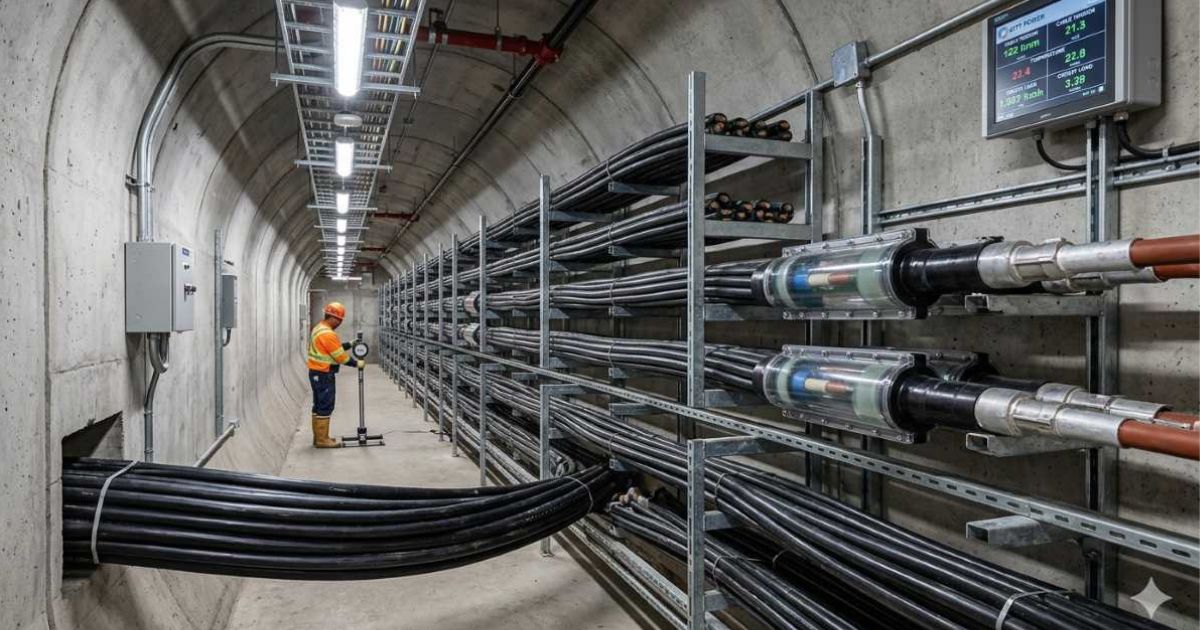
Real-time monitoring transforms how utilities manage the power grid.
Sensors installed along transmission lines send constant updates. If a cable starts overheating, operators can reduce the load immediately. If a storm approaches, they can prepare for potential disruptions.
This technology makes the grid more resilient and responsive.
Predictive Maintenance Systems
Old-school maintenance works on a schedule. Inspect every six months. Replace parts every ten years.
Predictive maintenance works differently. Using sensor data, computers identify patterns that signal future problems. For example, a cable that gradually runs warmer than normal might be failing internally.
Engineers can replace that specific cable before it fails completely. This approach reduces downtime, saves money, and prevents outages.
Companies like General Electric are developing these digital grid management solutions to modernize America’s electricity network.
High-Efficiency Underground Power Cables in the USA

Walk through any American city, and you will notice something missing: power lines. More urban areas are moving cables underground.
High-efficiency underground power cables offer distinct advantages over traditional overhead lines.
First, they survive extreme weather better. Hurricanes, ice storms, and high winds damage overhead lines constantly. Underground cables stay protected beneath the surface.
Second, they improve city appearance. No more tangled wires blocking skyline views. Urban planners appreciate the cleaner look.
Modern underground cables use advanced insulation and thermal management. This keeps them efficient even when buried close together in crowded utility tunnels.
Example: Boston’s Underground Grid Project
Boston provides a perfect example of underground modernization. The city has been systematically replacing aging overhead lines with underground cables designed to last decades.
These projects improve reliability during New England’s harsh winters. When storms knock out power elsewhere, neighborhoods with underground service stay lit.
High-efficiency underground cables now serve:
- Downtown business districts
- Major data centers
- Renewable energy connections
- Public transportation systems
Although installation costs more upfront, reduced maintenance and fewer outages make underground systems economical over time.
For deeper research on global energy trends, readers can explore reports from the International Energy Agency.
Key Benefits at a Glance
Why should everyday Americans care about cable technology? Because efficient cables affect everyone who flips a light switch.
Lower energy bills: Less wasted electricity means lower costs for utilities, which translates to stable rates for customers.
Fewer power outages: Modern cables with monitoring systems fail less often. When problems happen, utilities find them faster.
Cleaner energy future: Efficient transmission makes renewable energy more practical, helping America reduce carbon emissions.
Stronger economy: Reliable electricity keeps businesses running, data centers online, and manufacturing humming.
Longer infrastructure life: Advanced materials resist wear, meaning cables last longer before needing replacement.
Frequently Asked Questions
What exactly are energy-efficient power cables?
Energy-efficient power cables are transmission lines designed to minimize electricity loss during delivery. They use advanced conductors, better insulation, and sometimes smart monitoring to improve performance.
How do low-loss cables help renewable energy?
Wind and solar farms are often located far from cities. Low-loss cables transport that electricity over long distances without wasting significant power, making clean energy more viable.
Are underground cables really better than overhead lines?
For reliability and aesthetics, yes. Underground cables withstand extreme weather better and eliminate visual clutter. However, they cost more to install initially
Conclusion
Energy-efficient cable technology in the USA is quietly revolutionizing how electricity reaches American homes and businesses. From high-temperature conductors that carry more power to smart cables that monitor themselves, these innovations are building a stronger, cleaner grid.
Low-loss technology reduces waste. Smart systems prevent outages. Underground cables survive storms. Together, they prepare America’s power infrastructure for growing demand and renewable energy integration.
In order to utilities, investing in efficient cables makes financial sense. For consumers, it means reliable electricity and stable bills. For the environment, it supports the transition away from fossil fuels.
The cables carrying power across America might be invisible to most people, but their impact is not. They are the backbone of a modern, sustainable energy future
If you are interested in broader sustainable living practices, explore our Green Lifestyle 101: The Ultimate Guide to Sustainable Living, Zero Waste, and Eco-Friendly Habits for tips on reducing your environmental footprint at home.