

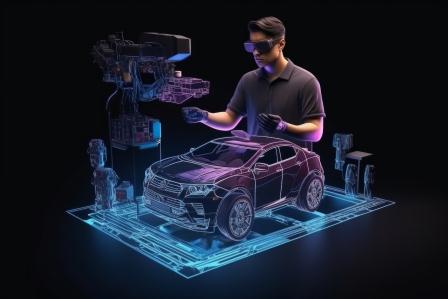
Walk through any American automotive plant today, and you’ll see something remarkable happening. It’s not just the familiar sight of robotic arms welding car frames. Today, those robots are communicating with each other in real-time, guided by digital replicas of the entire production process, while autonomous carts navigate the factory floor without human direction.
This transformation is happening right now in manufacturing hubs from Michigan to Alabama. For American automakers, staying competitive means embracing a new generation of connected technologies that are making factories safer, more efficient, and remarkably adaptable Let’s explore how these innovations are reshaping car production in the United States
The Technologies Powering America’s Manufacturing Renaissance
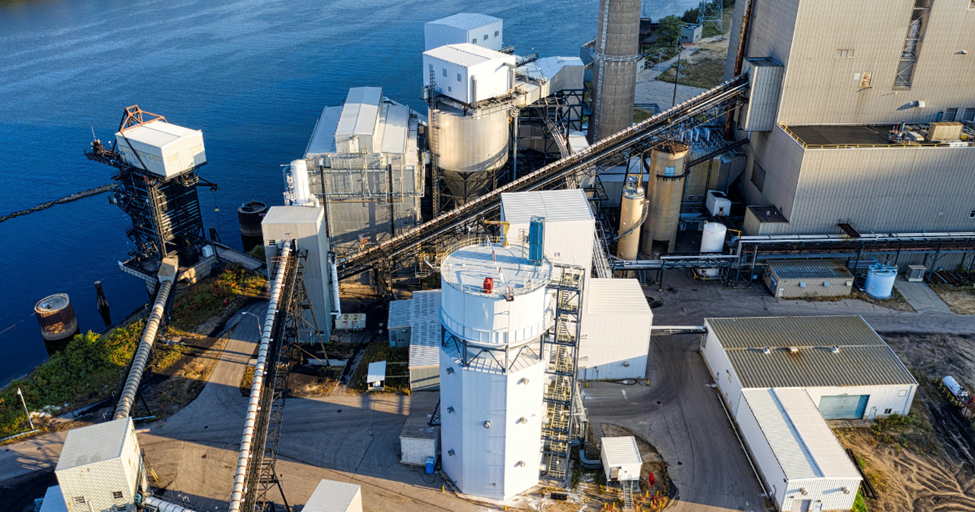
What makes today’s factories different isn’t just that they’re automated—it’s that they’re connected, intelligent, and constantly learning. These technologies work together like a well-coordinated team, each playing a crucial role in the manufacturing process
Digital Twins: The Crystal Ball of Manufacturing
Imagine being able to test every aspect of your production line before ever turning a wrench in the physical world. That’s the power of digital twins—virtual replicas of factories that American manufacturers are increasingly relying on.
Why this matters for US plants:
- Ford and General Motors are using this technology to retool factories for electric vehicle production
- Factories can simulate new layouts and processes before costly physical changes
- Potential equipment failures can be spotted weeks before they cause downtime
The technology acts like a practice field where manufacturers can work out the kinks before implementing changes on the actual factory floor.
The 5G Revolution on the Factory Floor
The arrival of reliable 5G networks across American industrial centers is proving to be a game-changer. Unlike Wi-Fi, which can be unreliable in metal-rich factory environments, 5G provides the robust connectivity needed for real-time communication between machines.
Real impact for American workers:
- technicians can monitor equipment performance from anywhere in the facility
- quality control data flows instantly from the assembly line to engineers’ desks
- tools automatically log their own maintenance needs
This constant, reliable connection means problems are identified and solved faster, keeping production lines running smoothly.
Human and Machine: The New American Workforce
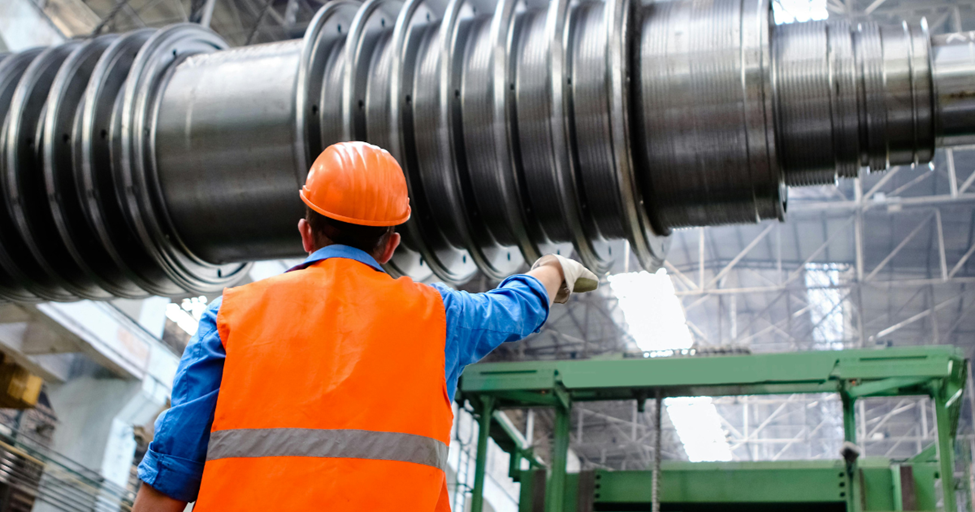
Contrary to popular fear, these technologies aren’t replacing American workers—they’re working alongside them, creating new types of jobs and making existing jobs safer and more engaging
Cobots: Your New Coworker
The latest generation of collaborative robots—or “cobots”—are designed to work safely alongside human workers without protective cages. In Michigan plants, these cobots are handling repetitive tasks like windshield installation, while human workers focus on more complex quality checks.
The human benefit:
- Reduced strain from repetitive motions
- Fewer workplace injuries
- Workers can focus on problem-solving rather than repetitive tasks
The Rise of the Tech-Savvy Factory Worker
The modern American factory worker is increasingly a technology specialist. New positions are emerging that blend traditional manufacturing skills with digital expertise:
- Data analysts who interpret information from connected equipment
- Robot coordinators who manage fleets of autonomous vehicles
- Digital twin specialists who run factory simulations
Community colleges across the Midwest are developing training programs specifically for these new hybrid roles, ensuring American workers are prepared for the factories of tomorrow.
A Detroit Success Story: At a recently retooled SUV plant in Michigan, implementation of a full digital twin system helped identify a potential bottleneck that would have cost the plant an estimated $50,000 per hour in lost production. The virtual simulation caught the issue months before the physical line was operational, saving countless production hours and preserving American jobs that might have been affected by inefficiencies.
Why This Matters for American Manufacturing
The timing of this technological revolution couldn’t be better for US automakers. As companies reshore production and invest in electric vehicle manufacturing, these technologies provide crucial advantages:
Competing Globally: Smart factories make American manufacturers more competitive against international rivals by significantly reducing production costs and improving quality.
Job Creation: While some traditional roles evolve, new positions in technology maintenance, data analysis, and system management are emerging in American communities.
Supply Chain Resilience: Connected technologies provide real-time visibility into inventory and production needs, helping American manufacturers adapt quickly to supply chain disruptions.
The Road Ahead: What’s Next for US Auto Manufacturing
The transformation is just beginning. As we look toward 2026, several trends are taking shape:
AI-powered quality control that can spot defects human eyes might miss
Extended reality tools that help technicians perform complex repairs with digital guidance
Energy monitoring systems that help factories reduce their environmental footprint
What’s clear is that the American auto industry isn’t just keeping pace with these changes—it’s helping to drive them, ensuring that US manufacturing remains a global leader for years to come.
The factories that build our cars are becoming as innovative as the vehicles they produce, creating better products and more engaging jobs in the process. That’s a future worth building towords