


Why Zero Waste Matters for Americans
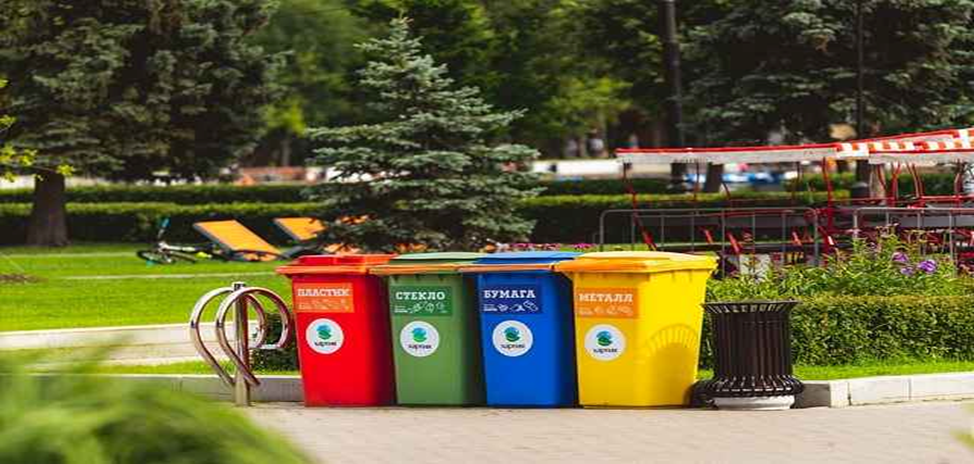
Living zero waste in America is both challenging and rewarding. As one of the world’s largest waste producers per capita, the United States faces unique environmental challenges. But here’s the good news: small changes in our daily routines can create significant impact. These 30 zero waste living tips are specifically designed for American lifestyles, stores, and infrastructure. Let’s make sustainability work for US households!
Smart Shopping Strategies for American Consumers
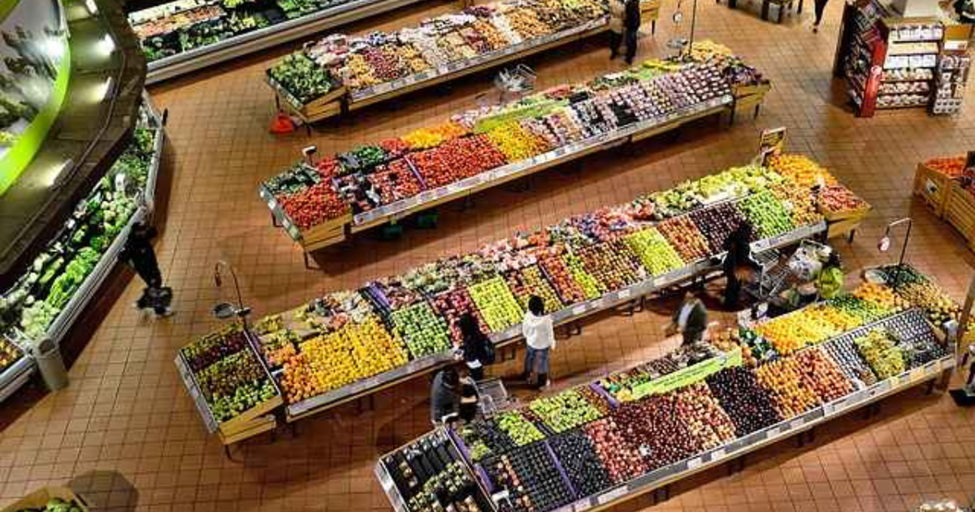
American shoppers have incredible power to reduce waste through conscious purchasing decisions. These tips leverage US stores and shopping habits to minimize your environmental footprint
- Ditch plastic grocery bags permanently: Most US supermarkets like Kroger, Safeway, and Whole Foods offer affordable reusable bags. Keep several in your car trunk for spontaneous shopping trips. Each reusable bag can prevent over 1,000 plastic bags from reaching landfills.
- Embrace reusable produce bags: Skip those thin plastic bags in the produce aisle. Bring mesh or cloth bags for fruits and vegetables. Many US stores now sell these near their organic sections.
- Master bulk bin shopping: Stores like Whole Foods, Sprouts, and local co-ops have extensive bulk sections. Bring your own containers for pasta, rice, spices, and snacks to avoid packaging waste completely.
- Discover local farmers markets: The USDA reports over 8,000 farmers markets nationwide. These markets offer fresh, seasonal produce with minimal packaging while supporting local agriculture.
- Choose US brands with sustainable packaging: Support companies like Dr. Bronner’s, Mrs. Meyer’s, and Patagonia that prioritize eco-friendly packaging and business practices.
- Use reusable coffee cups daily: Major chains like Starbucks and local cafes offer discounts for bringing your own cup. This simple switch saves both money and waste.
- Carry reusable water bottles everywhere: With filtered water stations in most public spaces and workplaces, there’s no need for single-use plastic bottles.
- Shop with a plan: Reduce impulse buys and food waste by creating detailed shopping lists before visiting stores like Target or Walmart.
- Choose digital receipts: Most major retailers now offer email receipts instead of paper, reducing clutter and waste.
Buy quality over quantity: Invest in durable products that last longer, reducing the constant replacement cycle common in American consumer culture
Kitchen & Food Waste Solutions for US Households

The average American family wastes nearly $1,900 worth of food annually. These practical tips address common US kitchen challenges while reducing environmental impact.
- Compost food scraps efficiently: Check your municipality’s composting guidelines. Many US cities now offer curbside compost collection, while others have drop-off locations.
- Grow your own herbs and vegetables: Even apartment dwellers can cultivate herbs on windowsills or join community gardens, reducing plastic packaging from grocery stores.
- Implement strategic meal planning: Reduce food waste by planning meals around weekly sales at your local supermarket and using what you already have.
- Use proper food storage: Follow USDA guidelines for storing fruits and vegetables to extend freshness and reduce spoilage.
- Master leftover creativity: Transform Thanksgiving leftovers and weekly meal remnants into new dishes to minimize food waste.
- Choose plant-based meals regularly: The USDA dietary guidelines now emphasize plant-forward eating for both health and environmental benefits.
- Switch to cloth napkins and towels: Replace disposable paper products with reusable alternatives that save money and reduce waste.
- Preserve seasonal abundance: Learn canning and freezing techniques to enjoy summer produce throughout the year.
- Support Community Supported Agriculture: CSA programs provide fresh, local produce with minimal packaging while supporting regional farmers.
- Use reusable containers strategically: Glass containers and mason jars work perfectly for storing bulk purchases, leftovers, and packed lunches.
Household & Lifestyle Changes for American Families
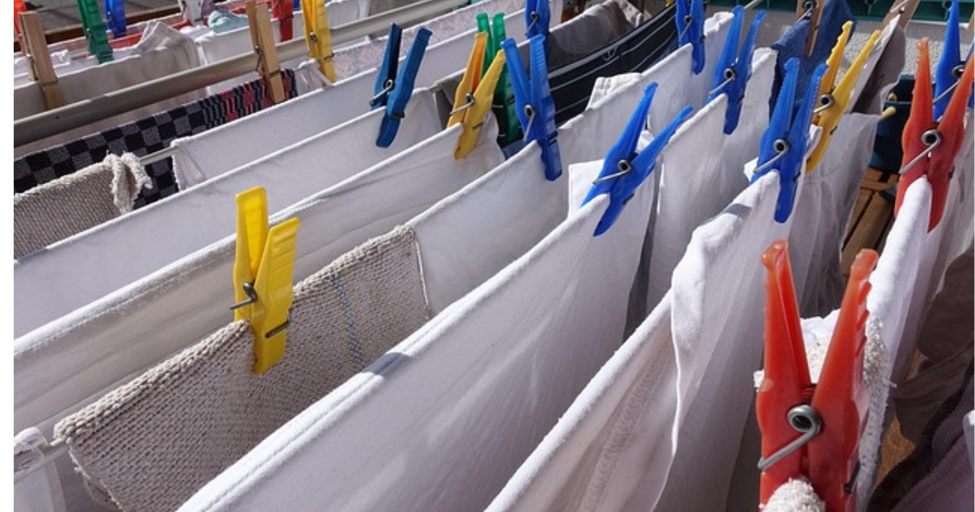
American homes present unique opportunities for waste reduction. These practical tips work with common US lifestyles and infrastructure.
Switch to LED lighting: Energy Star certified LEDs use at least 75% less energy and last 25 times longer than incandescent lighting.
Install smart thermostats: Programs like Nest and Ecobee help optimize home energy use across diverse US climate zones.
Choose natural fiber clothing: Opt for organic cotton, hemp, and wool to reduce microplastic pollution from synthetic fabrics.
Line-dry clothes when possible: Take advantage of sunny days to save energy and extend clothing lifespan.
Make simple homemade cleaners: Create effective cleaning products using vinegar, baking soda, and castile soap from any US supermarket.
Use reusable menstrual products: Options like menstrual cups and cloth pads reduce the billions of disposable products entering US landfills annually.
Choose sustainable oral care: Bamboo toothbrushes and toothpaste tablets eliminate plastic waste from dental hygiene routines.
Reduce junk mail significantly: Use services like DMAchoice to stop unwanted catalogs and credit card offers.
Borrow instead of buying: Utilize public libraries for books and tools rather than purchasing new items you’ll rarely use.
Stay informed and adapt: Follow EPA updates and local recycling guidelines to ensure your zero waste efforts remain effective.
Making Zero Waste Work in American Life
Remember that consistency matters more than perfection. Whether you live in a New York apartment, Texas suburb, or California ranch, focus on progress rather than immediate perfection Start with the tips that fit your specific situation and build from there. Track your achievements and celebrate how each small change contributes to larger environmental impact
Begin Your American Zero Waste Journey Today
You now have 30 practical, USA-focused strategies to reduce waste and live more sustainably. Choose one tip to implement this week—whether it’s visiting your local farmers market or setting up a composting system. Every positive change makes a difference in reducing America’s environmental footprint.
For detailed guidance on recycling and waste reduction specific to your area, explore the EPA’s comprehensive waste reduction resources . Ready to make a difference? Your sustainable American lifestyle starts right now!