

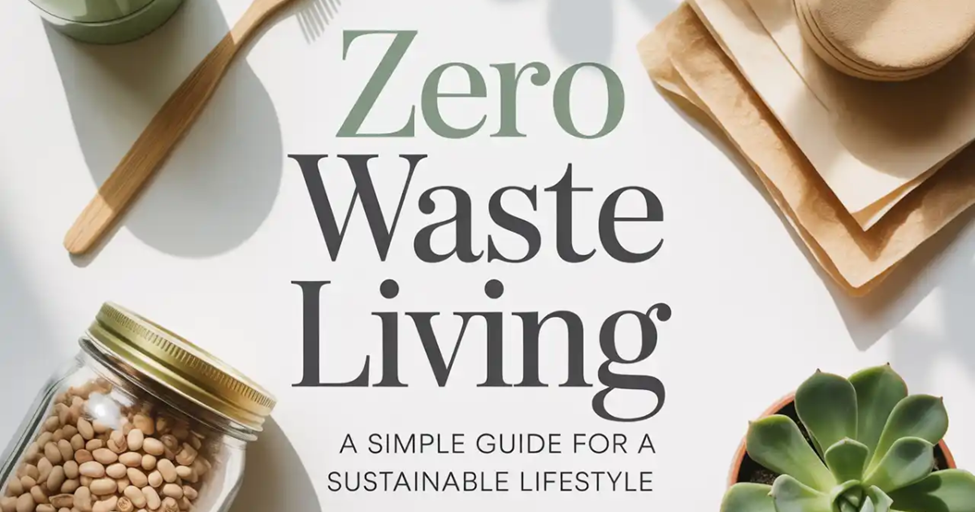
Zero waste living is a philosophy that encourages the redesign of our resource life cycles. The ultimate goal is to send nothing to a landfill or incinerator. Think of it as a holistic approach to reducing your environmental footprint. It’s not about achieving absolute perfection. Instead, it’s about making continuous, mindful choices to minimize trash. This lifestyle benefits both the planet and your personal well-being.
Understanding the Core Philosophy
The 5 R’s provide a powerful, actionable hierarchy for making decisions. They are, in order of importance:
- Refuse: This is the first and most powerful step. Learn to say “no” to things you don’t need. This includes refusing single-use plastics like straws, utensils, and free promotional items.
- Reduce: Minimize what you do need. Declutter your home and life. Ask yourself if a purchase is truly necessary. A smaller, more intentional wardrobe or a simplified pantry are great examples
- Reuse: Shift away from disposable items. Embrace reusables like water bottles, coffee cups, shopping bags, and food containers. Get creative by repurposing glass jars for storage or turning old t-shirts into cleaning rags.
- Recycle: This comes only after the first three R’s have been applied. Properly recycle materials that your local facility accepts. It’s crucial to know your local recycling rules to avoid contamination.
- Rot: Compost the rest. Food scraps and yard waste can be turned into nutrient-rich soil instead of producing methane gas in a landfill.
Debunking Common Misconceptions
Many people hear “zero waste” and imagine a home with only a single jar of trash per year. While that is an impressive feat for some, it’s not the realistic goal for most. This lifestyle is accessible to everyone, regardless of where they live or their budget. It’s about progress, not perfection. Every small change adds up to a significant collective impact.
Getting Started: Actionable Tips for Your Home
Transitioning to a low-waste life is a journey. Start with one area at a time to avoid feeling overwhelmed. Consistency is far more important than overnight perfection.
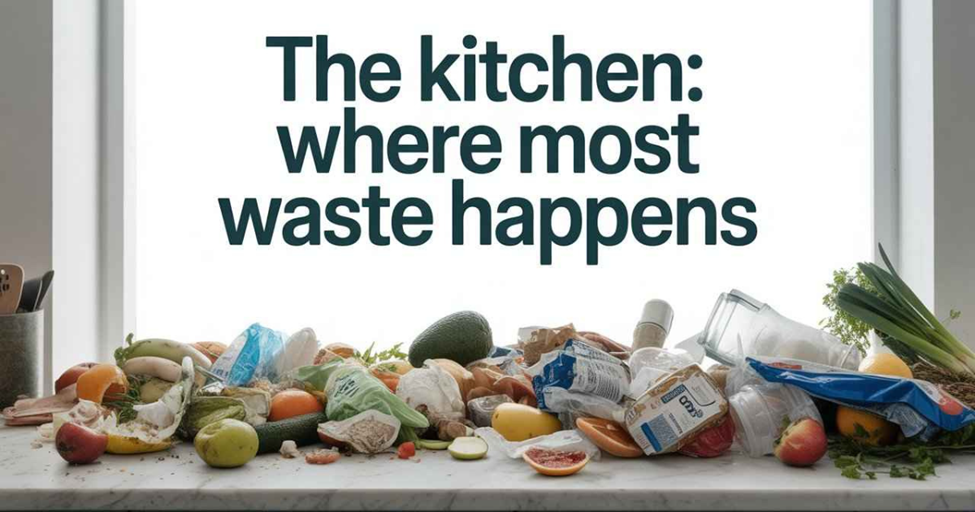
The kitchen is often the epicenter of household waste, making it the perfect place to start.
- Ditch Plastic Wrap: Switch to reusable beeswax wraps, silicone lids, or simply use a plate to cover a bowl.
- Embrace Bulk Buying: Bring your own jars and bags to stores that offer bulk bins for staples like rice, pasta, lentils, and spices.
- Compost Your Scraps: You don’t need a backyard for this! Indoor electric composters or local community compost drop-off programs make it easy for anyone
Choose Reusable Towels: Replace paper towels with a stack of absorbent cotton cloths or old cut-up t-shirts.
Case Study: The city of San Francisco implemented a large-scale composting program, diverting over 80% of its waste from landfills. This demonstrates the powerful impact of collective action, starting at the household level.
The Bathroom: Simple Swaps for Personal Care
The bathroom is filled with opportunities to reduce plastic packaging.
- Bar Over Bottle: Try shampoo bars, conditioner bars, and bar soap. They last longer, are travel-friendly, and come with minimal or no packaging.
- Switch to a Safety Razor: This is a one-time purchase of a durable metal razor. You only need to replace the inexpensive metal blades, eliminating plastic disposable razors forever.
- Try Toothpaste Tablets or Powder: These often come in refillable glass jars, cutting down on countless plastic toothpaste tubes.
- Use Bamboo Toothbrushes: While the bristles may need special disposal, the bamboo handle is compostable, a better alternative to full plastic brushes.
On-the-Go and Shopping
Mindful habits outside the home are crucial for a low-waste lifestyle.
- Create a “Zero-Waste Kit”: Pack a small bag with a reusable water bottle, coffee cup, utensils, a cloth napkin, and a foldable shopping bag.
- Shop Secondhand: Before buying new, check thrift stores, online marketplaces, or borrow from a friend. This extends the life of products and saves resources.
- Support Local Farmers’ Markets: Produce at farmers’ markets is often unpackaged, fresher, and supports your local economy.
The Far-Reaching Benefits of a Low-Waste Life
Adopting a zero-waste mindset goes far beyond just having less trash. The benefits are multi-faceted.
- Environmental Impact: You directly reduce pollution, conserve natural resources, and lower greenhouse gas emissions from landfills.
- Financial Savings: Buying in bulk, choosing reusables over disposables, and purchasing secondhand consistently save you money over time.
- Healthier Living: You naturally consume more whole foods (from bulk bins and markets) and use products with fewer harsh chemicals.
- Mindful Consumption: This lifestyle fosters a greater appreciation for your possessions and the resources behind them, leading to a more intentional and fulfilling life.
Conclusion: Your Journey Starts Now
Zero waste living is a personal and evolving journey. It’s not about a race to a trash-free finish line, but about making more conscious choices every day. Start small. Pick one swap from this article—perhaps refusing a plastic straw or buying a shampoo bar—and build from there. Each step you take creates a ripple effect, inspiring others and contributing to a healthier, more sustainable world. For more inspiration on sustainable home practices, explore our related article on [creating an eco-friendly kitchen].
To delve deeper into the science of waste reduction, a great external resource is the U.S. Environmental Protection Agency’s (EPA)
page on sustainable materials management.