

For factories, agricultural complexes, and large municipal districts, water is the lifeblood of operations. But the systems that move, treat, and manage it are often among the biggest energy consumers on site. When you’re working with a leased water system, you might think your hands are tied when it comes to efficiency upgrades. The truth is, you have a powerful opportunity. By strategically integrating energy-efficient technology into your leased infrastructure, you can dramatically reduce costs, boost sustainability, and future-proof your operations without major capital expenditure
Why Focus on Energy Efficiency in Leased Water Systems?
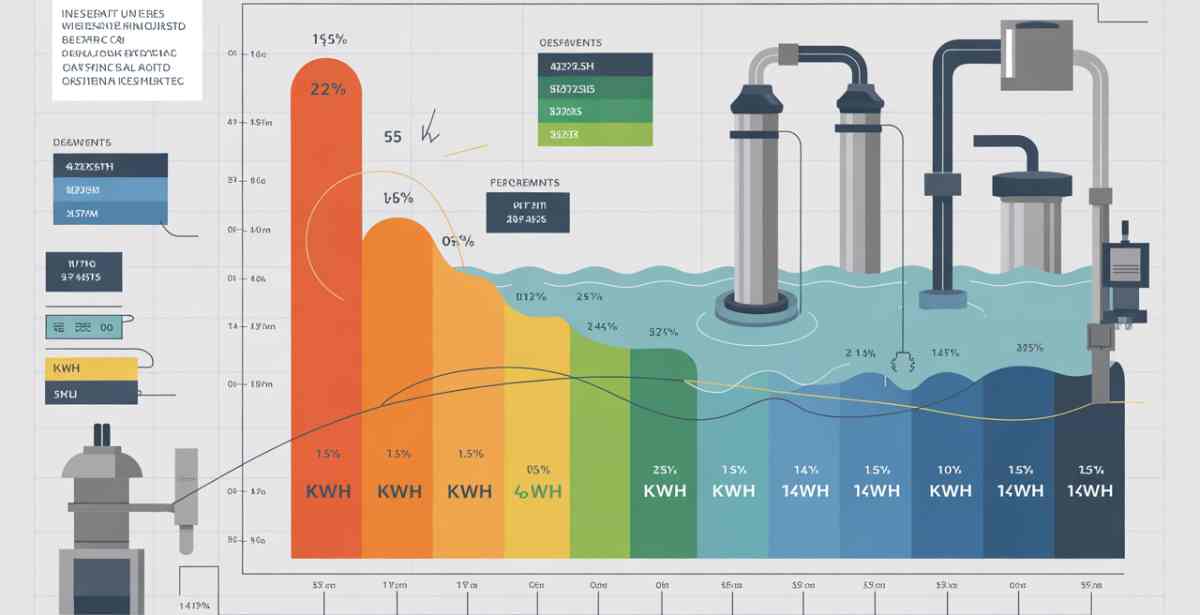
A leased water system—whether for cooling, process water, or irrigation—is often viewed as a fixed operational expense. This is a missed opportunity. The energy required to run pumps, aerators, and treatment processes represents the single largest cost of water distribution. In fact, the U.S. Department of Energy highlights that pumping systems account for nearly 25% of the energy used in industrial applications, representing a massive opportunity for savings.
Pushing for an energy-efficient upgrade to your lease agreement isn’t just an environmental choice; it’s a core financial strategy. It transforms a fixed, wasteful cost into a variable one you can control and minimize. This leads to a lower total cost of ownership, a reduced carbon footprint, and a more resilient operation less vulnerable to energy price spikes.
Key Energy-Efficient Technologies for Large-Scale Water Systems
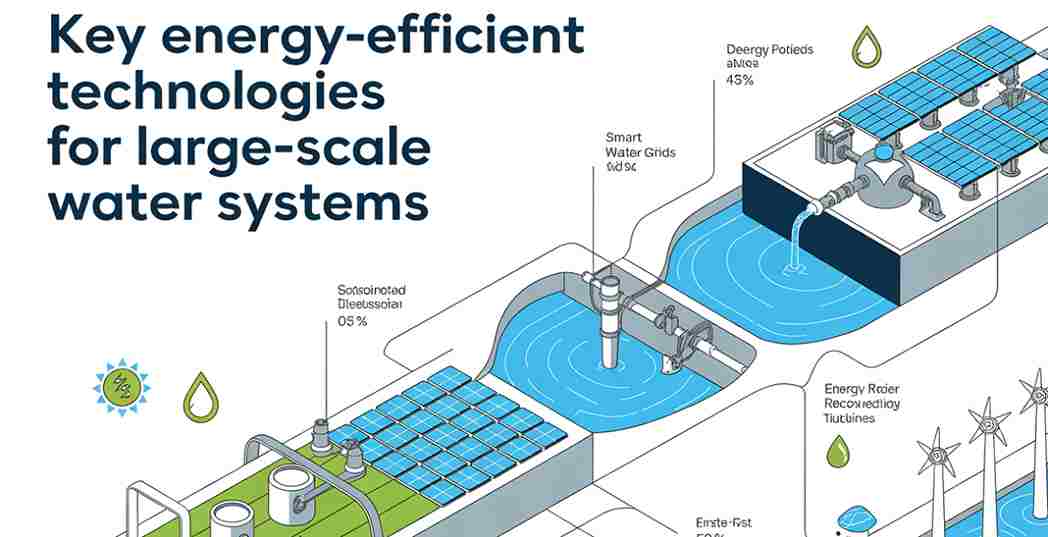
Modern technology offers several proven solutions to tackle energy waste in water systems. For large-scale operations, the most impactful technologies include:
High-Efficiency Pumps and Variable Frequency Drives (VFDs)
Conventional pumps often run at a constant speed, wasting massive amounts of energy when demand fluctuates. High-efficiency pumps, paired with Variable Frequency Drives (VFDs), are a game-changer.
- How it works: A VFD intelligently adjusts the motor speed of a pump to match the exact real-time demand.
- The Impact: This can reduce a pump’s energy consumption by up to 50%. For a large-scale operation with multiple pumps, the savings are monumental. Major manufacturers like Grundfos and Xylem offer advanced, smart pumping systems designed for this exact purpose
Smart Monitoring and IoT Sensors
You can’t manage what you don’t measure. Internet of Things (IoT) sensors provide real-time visibility into your water system’s performance.
- How it works: Sensors monitor flow rates, pressure, water quality, and energy consumption, feeding data to a central dashboard.
- The Impact: This data pinpoints inefficiencies, detects leaks instantly to prevent water and energy loss, and enables predictive maintenance. This moves you from a reactive “fix-it-when-it-breaks” model to a proactive, optimized one.
Advanced, Low-Energy Treatment Solutions
Traditional water treatment, like certain desalination or purification methods, can be energy-intensive. Newer technologies are changing the game.
- Example – Membrane Aerated Biofilm Reactors (MABR): This technology, championed by companies like OxyMem, can cut the aeration energy for wastewater treatment by up to 75% compared to conventional methods.
- Example – Advanced Membrane Filtration: Newer, more durable membranes reduce pressure requirements, thereby lowering the energy needed for filtration processes.
A Practical Framework for Implementing Efficiency in a Leased System
Navigating a technology upgrade in a leased asset requires a different approach. Here’s a step-by-step strategy:
Conduct a Joint Audit: Propose a collaborative energy-and-water audit with your lessor (e.g., a company like Evoqua or Veolia). Use the data to build a business case that highlights mutual benefits.
Negotiate the “Efficiency-Addendum“: Work with the lessor to amend your lease. Propose a cost-sharing model where you both invest in the new technology, with your share being paid back through the resulting energy savings.
Prioritize and Phased Rollout: Start with the most impactful and least disruptive technology, such as retrofitting pumps with VFDs or installing IoT sensors. This delivers quick wins and builds confidence.
Establish a Monitoring Protocol: Agree on how savings will be tracked and verified. This transparency ensures both parties see the return on investment and maintains a strong partnership.
The Tangible Benefits: More Than Just Lower Utility Bills
The return on investing in an energy-efficient leased water system is multi-layered:
- Drastic Operational Cost Reduction: Slash your energy bills, directly improving your bottom line.
- Enhanced Sustainability Credentials: Meet and exceed corporate sustainability goals (ESG) and reduce your Scope 2 emissions.
- Improved System Reliability and Lifespan: Efficient systems experience less wear-and-tear, leading to fewer breakdowns and a longer asset life—a key benefit for the lessor.
- Regulatory Future-Proofing: Stay ahead of increasingly strict environmental and efficiency regulations.
Conclusion:
Your Next Lease is a Strategic Opportunity
Your water system doesn’t have to be a financial and environmental drain. By viewing your leased water infrastructure as a platform for energy-efficient innovation, you unlock significant value. The technologies are proven, the financial models are clear, and the benefits extend far beyond cost savings.
Ready to transform your water lease from a liability into an advantage?
Start the conversation with your provider today. Ask them one simple question: “How can we collaborate to integrate energy-efficient technology into our system to reduce both our costs and our environmental impact?”